
Heart disease prevention PPT
First clarify your own risk level, then adjust your lifestyle + medication plan accordingly, and finally keep in mind the abnormal warning signs. There is no need to be superstitious about heart-protecting health care products that cost thousands of dollars, and there is no need to be overly anxious about vascular health every day. This is the most practical conclusion I have come to after spending 7 years in the cardiology clinic and accompanying thousands of patients on health management.
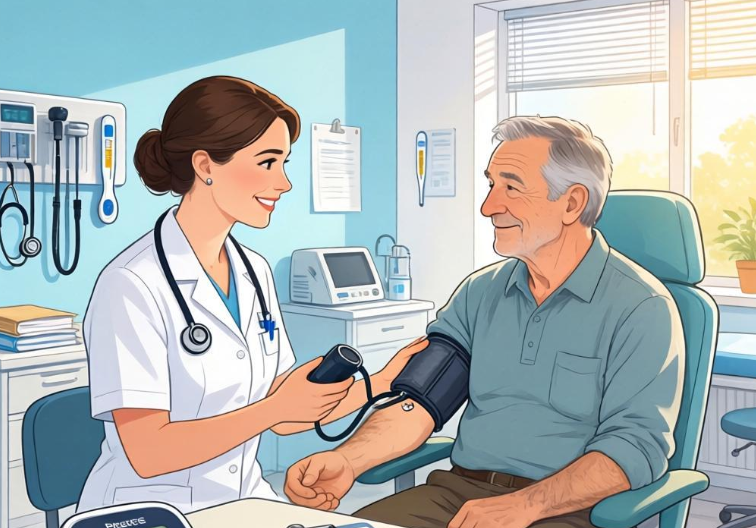
Believe it or not, I just saw a 32-year-old Internet programmer last month. His physical examination showed that he had high blood lipids and soft plaques in his carotid arteries. He was so scared that he bought more than 3,000 yuan of Coenzyme Q10 and deep-sea fish oil to eat every day. He also signed up for private lessons and lifted heavy weights every day. However, within two months, he went to the emergency department with chest pain. Fortunately, it was just exercise-induced myocardial ischemia and nothing serious happened. Are you saying he has no awareness of prevention? Yes, but I didn’t take the right path and instead stepped on a trap.
Nowadays, many science popularizations give a unified "heart protection guide" regardless of the differences between groups of people. In fact, they have not touched the door at all. Take risk stratification as an example. For a person under 40 years old, with no family history of cardiovascular disease, who does not smoke or drink, and has normal blood pressure and blood sugar, and a 60-year-old person who has high blood pressure and whose father has had a myocardial infarction, the intensity of prevention should be very different. There are now two mainstream risk assessment systems in the industry. One is the "Ischemic Cardiovascular Disease Risk Assessment Scale" issued by the my country Cardiovascular Disease Center, which is more in line with the diet and physical characteristics of Chinese people. The other is the ASCVD risk assessment commonly used in Europe and the United States, which is suitable for people with familial disease. People with hypercholesterolemia are more sensitive. In our clinical practice, we usually combine the two. Ordinary people don’t have to worry about which one is more accurate. Next time you go to a community hospital or cardiology department for a follow-up visit, just ask the doctor to calculate it for you. It only takes two minutes, so you don’t have to mess around with the scale.
After talking about risk stratification, let’s talk about the dietary issues that everyone is most concerned about. Many people think that to prevent heart disease, they must go vegan and avoid red meat at all. Last year, our department conducted a small-scale follow-up and found that among 120 middle-aged and elderly people who had been vegan for more than one year, nearly 30% had elevated homocysteine, which actually increased the risk of stroke and myocardial infarction. Oh, by the way, the nutrition community is still discussing whether "daily cholesterol intake should be strictly limited." The latest "Dietary Guidelines for Chinese Residents" has removed the 300 mg daily cholesterol limit. However, if you already have a history of hyperlipidemia and coronary heart disease, you still need to control your intake of high-cholesterol foods such as animal offal and crab roe. Ordinary people do not need to eat them at all. It is perfectly fine to eat them 1-2 times a week to satisfy their cravings. Compared with eating, sitting for a long time is actually much more harmful. Many people slump on the sofa after work and check their mobile phones for three or four hours. This is more harmful to blood vessels than your occasional butter hot pot meal. You don’t have to force yourself to run 5 kilometers every day. You can stand up every 40 minutes to get a glass of water, stretch for two minutes, and take 10 minutes to go downstairs for a walk every day. This is much better for your heart than running a half marathon. By the way, there is also smoking, including second-hand smoke. This is a first-level risk factor recognized by all guidelines around the world. There is no dispute. If someone around you smokes, either ask him to quit or stay away. Don’t be embarrassed to say it, it is really more useful than any health supplement you take.
Oh, by the way, does the heart-protecting health product that everyone asks the most about actually work? This is quite controversial. Let’s talk about Coenzyme Q10 first. If you are a healthy person and eat a balanced diet, there is no need to take extra supplements. It will be useless if you take it. You will just pay IQ tax. ; But if you are already taking statins and have muscle soreness as a side effect, or have heart failure, supplementing as directed by your doctor can indeed relieve symptoms. There is also fish oil. Only high-purity medical Omega-3 has a lipid-lowering effect on people with high triglycerides. The kind of health-care fish oil you buy online for 100 yuan and several bottles has a pitifully low effective content. At most, the poop smells fishy after eating it, which is of no use.
Finally, let me bring up a warning sign issue that many people ignore. Many people think that a heart attack is just a squeezing pain in the chest. In fact, the symptoms of a heart attack are particularly hidden in women and diabetics. They may be back pain, toothache, or even nausea. Many people treat it as a stomach problem or get angry, which delays the best time for treatment. The most regrettable patient I have ever seen was a 58-year-old aunt. She woke up with a toothache in the morning and went to the dental clinic to have two teeth extracted. In the afternoon, she was sent here with a heart attack, but she was not rescued in the end. Therefore, if you have basic diseases such as high blood pressure and diabetes, and suddenly experience unexplained pain or fatigue, especially if it worsens after activity and can be relieved by resting for three to five minutes, don’t hesitate to go directly to the cardiology department for examination. Don’t go to other departments first.
Oh, by the way, don’t think that heart disease is a disease of the elderly and has nothing to do with young people. The youngest patient with acute myocardial infarction currently being treated in our department is only 21 years old. He stays up late every day playing games and eats takeaways heavy in oil and salt. His blood vessels are more clogged than a 60-year-old man. The heart's wear and tear is saved little by little. You don't need to make prevention a KPI. Count calories every day, record exercise time, smoke two fewer cigarettes, walk two more steps, and pay more attention to blood pressure, blood lipids, and blood sugar indicators during annual physical examinations. This is better than anything else. If you are really unsure about something, go ask a doctor at a regular hospital. Don’t blindly read short videos and read nonsense about “one trick to protect your heart and prevent recurrence.” Everyone’s physical condition is different, and a plan that works for someone else may be a trap for you.
Disclaimer:
1. This article is sourced from the Internet. All content represents the author's personal views only and does not reflect the stance of this website. The author shall be solely responsible for the content.
2. Part of the content on this website is compiled from the Internet. This website shall not be liable for any civil disputes, administrative penalties, or other losses arising from improper reprinting or citation.
3. If there is any infringing content or inappropriate material, please contact us to remove it immediately. Contact us at: