
The relationship between parenting and children’s health
Parenting style is the core underlying factor that determines the triple health level of children's physical, psychological and social adaptation. There is no universal "optimal solution". Consistent parenting behaviors that adapt to children's individual characteristics and family parenting environment are the core prerequisites for supporting children's long-term health.
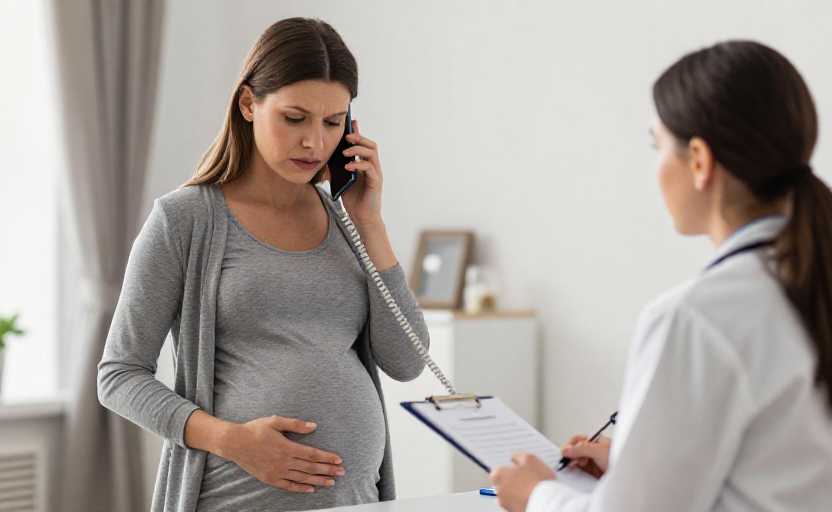
I have been practicing in community child care for almost 6 years, and I have encountered so many contrasting cases that you might not believe it if I tell you about them. Last month, I met two boys who had just turned 3 years old. They were both born at full term and the difference in birth weight was only 2 taels. One was surrounded by a family of 6 adults. The ingredients he ate were all delivered by specialized organic farms. He had to wear two layers of masks and protective gloves when going out. Even the fitness equipment in the community had to be decontaminated three times before being touched. What was the result? I went to the hospital every three days, got a respiratory infection and got gastroenteritis. My height was 2 centimeters shorter than the standard for my age. I would hide behind adults when I met strangers. The parents of another child are outdoor enthusiasts. They usually take them camping and hiking in the mountains. They eat by themselves and pick up the clean rice grains dropped on the table. They also go out for runs when the temperature drops in the seasons. Apart from the routine vaccine reaction, they almost never get sick. Their gross and fine motor skills are beyond the standards for the same month. They greet people proactively and are not timid at all.
Do you think this is all a matter of natural constitution? Not entirely. I looked through the parenting records of the two children. The parents of the former had to calculate calories for half an hour every day just to arrange for their children to eat. They chased after each meal and forced the child to eat if he didn't want to eat. He had already developed problems with his spleen and stomach. ; The latter never cares whether the child eats more or less in one meal. He will ask for it when he is hungry, but his interest in eating will be high, and the digestion and absorption of the gastrointestinal tract will naturally be in good condition.
There is a lot of quarrel among parenting factions on the Internet right now. The Sears Intimacy Parenting faction says that responding to children’s needs instantly, hugging them more and spending more time with them can give them a sense of security and reduce future emotional problems.; The rule-based parenting school of behaviorism also says that rules should be established from an early age, from eating to sleeping, and not hugging children immediately when they cry, otherwise they will develop a squeamish character. There are many supporters of both sides, and there are also good research data. In the cases I have come across, there are healthy children raised by both methods. Last year, there was a mother who was a firm executor of close parenting. She almost always wore the child on her body before he was two years old. Now that the child is in kindergarten, he is a social master in the class. When encountering problems, his first reaction is to talk to the teacher or mother, and he rarely cries or acts. ; There is also a father who is a rule-minded person. His child has been trained to fall asleep on his own since he was 6 months old. Now he is 5 years old, his work and rest are extremely regular, and his self-care ability is better than that of many lower primary school students.
But if you ask me which one is better, I really can’t give you a standard answer. Peking University School of Public Health conducted a survey in 2023 covering more than 20,000 children in 12 provinces and cities across the country. The results are very interesting: No matter which parenting style the parents choose, as long as the parenting standards of the whole family are consistent, the children's mental health scores are 37% higher than those in families where "parents are strict and the elderly are doting without a bottom line". Repeatedly swinging parenting methods are much more harmful to children's health than the so-called "not scientific enough" single method.
Speaking of this, some people must think that as long as the child can eat, sleep and not get sick, it is healthy, and the psychological impact is not so direct? Not really. I treated a 7-year-old child with tics last year. His parents took him to several hospitals to check trace elements and electroencephalogram. There were no organic problems. Later, after careful questioning, I found out that his parents had to attend three interest classes every day after school for the first two years. He wrote the wrong one He scolded every word, and the old man felt sorry for his grandson. Every time his parents finished scolding him, he secretly stuffed the child with snacks, and even said that the parents were wrong in front of the child. The child didn't even know how to express his emotions at home, and in the end it turned into somatic symptoms of frequent blinking and clearing of the throat. Later, we provided two months of parenting guidance to the parents, and the whole family unified the education method, not putting so much pressure on the children, and not allowing the elderly to secretly make trouble. The children's symptoms basically disappeared in less than half a year.
To put it bluntly, the relationship between parenting and children's health is like raising a pot of flowers. The Internet says that you water it once every three days and keep it indoors in winter. You also have to check the temperature and humidity of your home first to see if your pot of flowers is a drought-tolerant cactus or a humidity-loving pothos. If you apply universal standards, either the roots will rot or the leaves will die due to drought. I have seen too many parents check off the checklists of parenting bloggers one by one. If they fail to do so, they will become extremely anxious. On the contrary, this anxiety will be transmitted to their children, which will increase their emotional burden and actually affect their health.
In fact, children's health has never been a quantifiable score. It does not mean that the height and weight are just stuck on the standard line, nor does it mean that children are never sick. Your children are usually willing to run and jump, are willing to share happy things with you, and come to you as soon as possible when they are wronged. Even if they have an occasional cold or friction, they are essentially healthy. There is no perfect score in parenting. You don’t have to force yourself to be a perfect parent. Finding a rhythm that is comfortable for you and your children is better than anything else.
Disclaimer:
1. This article is sourced from the Internet. All content represents the author's personal views only and does not reflect the stance of this website. The author shall be solely responsible for the content.
2. Part of the content on this website is compiled from the Internet. This website shall not be liable for any civil disputes, administrative penalties, or other losses arising from improper reprinting or citation.
3. If there is any infringing content or inappropriate material, please contact us to remove it immediately. Contact us at: