
Rheumatoid dietary taboos
The first is processed foods with excessive amounts of added sugar and trans fat, the second is intolerant foods that will definitely induce joint inflammation in you, and the third is high purine and high oxalate foods when uric acid is high.
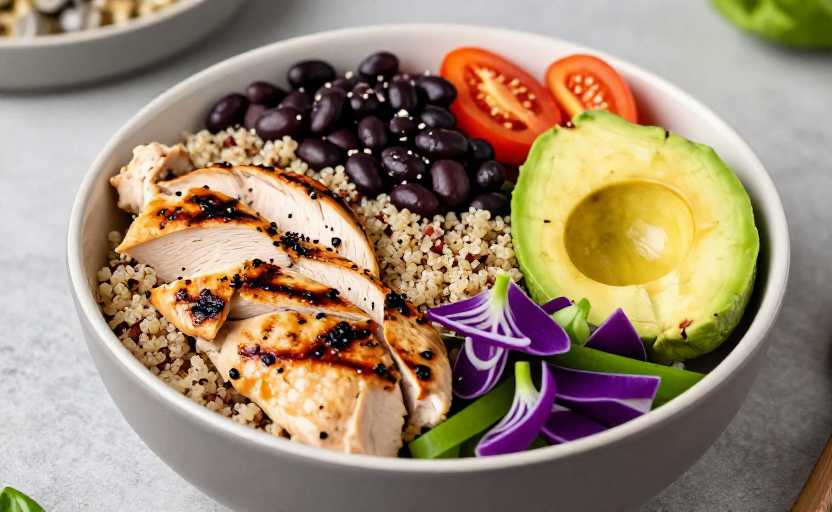
I met a 32-year-old girl in the clinic before. She was diagnosed six months ago and her indicators were under stable control. She was so greedy that she ate two boxes of pop-up cakes and iced milk tea on the weekend. When she came to the clinic on Monday, her fingers were swollen like radishes. She couldn't take off the plain ring she had worn for five or six years. Her erythrocyte sedimentation rate jumped to three times the usual level. Regarding such high-sugar and highly-processed foods, there are actually different opinions in different fields: Traditional rheumatologists mostly believe that as long as they are not eaten all the time and are eaten occasionally to satisfy cravings, it is not a big problem. However, in the field of functional medicine, ingredients such as refined sugar, fructose syrup, and margarine are generally classified as "pro-inflammatory." "Killer", even a small bite may cause the level of C-reactive protein in the body to jump up. My personal suggestion is that even if there is no obvious reaction after eating, try to control it. If you eat it once or twice a month, you can't make your joints pay for it just for one bite.
At this point, someone must ask, is the most widely circulated saying "Rheumatoid arthritis patients should not touch seafood" true or false? I have seen too many patients put all seafood on the blacklist as soon as they are diagnosed. They don't even dare to touch salmon, which is high in Omega 3. It's really unnecessary. I once had a brother who had been suffering from rheumatoid arthritis for 12 years. He ate steamed shrimp once a week, and his index never fluctuated. Instead, when he ate wild vegetables with high oxalic acid, such as bracken and fresh bamboo shoots, his knees hurt so much that he had to hold on to the wall even when he went downstairs to buy vegetables. There was another patient who was just the opposite. He ate wild vegetables without any problems, but fell ill when he touched a bite of oysters. In fact, there are differences in the recommendations in different fields: Rheumatology departments of traditional Chinese medicine usually recommend eating less "fat foods", including seafood, beef, mutton, and Chinese toon, to avoid aggravating paralysis. ; However, modern evidence-based medicine research shows that only about 15% of rheumatoid patients will have a clear inflammatory response to high-purine foods. As long as your uric acid level is normal, eating steamed deep-sea fish 1-2 times a week can help fight inflammation, which is more beneficial than not eating it at all.
Another point that is easily overlooked by everyone is personal food intolerance. This thing really varies from person to person. There was a patient who had been taking methotrexate for three years, but his inflammation index could not be reduced. Later, he was checked for food intolerance and found that he was severely intolerant to wheat and eggs. After switching to a gluten-free diet and stopping eggs, his index became normal in less than three months, and even the frequency of joint pain dropped by more than half. Oh, by the way, if you think it’s too expensive to check for intolerances, just keep a food diary by yourself. Within 24 to 48 hours after eating something, did your joints swell and the pain get worse? After three months of recording, your own exclusive list of taboos will come out, which is 10 times more accurate than the general version found online.
As for what many people say: "You can't touch raw or cold food" or "You can't eat cold fruits", there is no unified standard. In traditional health care, raw and cold food hurts the yang energy and can easily aggravate joint blockage, but if your stomach is normal, you can eat iced watermelon or drink room-temperature yogurt in the summer. You won’t have diarrhea or joint pain after eating, and you can eat normally. There is really no need to force yourself to eat hot fruits every day. On the contrary, you will be deficient in vitamins, your immunity will be lowered, and it will be easier to induce inflammation.
To put it bluntly, the dietary taboos for rheumatoid arthritis have never been a unified standard answer. Someone else’s arsenic may just be your honey. Don’t blindly follow the list on the Internet and dare not eat anything. In the end, you will become sallow and thin, but the indicators will not drop. Don’t eat haphazardly just because you don’t feel anything. After all, the most important thing is to stabilize the inflammation and avoid suffering from joint pain.
Disclaimer:
1. This article is sourced from the Internet. All content represents the author's personal views only and does not reflect the stance of this website. The author shall be solely responsible for the content.
2. Part of the content on this website is compiled from the Internet. This website shall not be liable for any civil disputes, administrative penalties, or other losses arising from improper reprinting or citation.
3. If there is any infringing content or inappropriate material, please contact us to remove it immediately. Contact us at: