
Diet taboos for hyperglycemia in pregnancy
The first is "empty calorie foods" with a glycemic index (GI) higher than 70. The second is the eating habit of not dividing meals and consuming too many carbohydrates at one time. The third is an unbalanced diet structure of either cutting out all staple foods or eating high-fat and oil-rich meals to extremes.
A while ago, I accompanied my best friend, who was 24 weeks pregnant, to the nutrition department for a follow-up visit. She was diagnosed with glucose intolerance just last week. She stopped eating all staple foods when she got home and ate boiled vegetables. As a result, she became dizzy and sweated for three days. When she tested her fasting blood sugar, it was even higher than before. The doctor said that she had fallen into the typical pitfalls of an extreme diet and it was completely unnecessary.
Let’s first talk about the things that everyone is most concerned about: “What are the best things not to touch?” Needless to say, things like milk tea, cream cakes, refined white bread, and iced cola have almost no nutrients. The blood sugar rises so fast that it’s like pouring sugar directly into the blood vessels. Insulin cannot respond at all. If you can’t eat it, don’t eat it. But I should mention here that the guidance of different doctors is actually quite different: in many places, maternity care hospitals will directly require pregnant mothers to completely quit high-GI foods such as porridge, watermelon, lychees, and mangoes, and even white rice and steamed buns must be replaced with whole grains. ; But many registered dietitians now believe that as long as the total carbohydrate intake of the day is controlled, eating two or three pieces of watermelon or a small bowl of multi-grain porridge that is not particularly bad at two or three o'clock in the afternoon is actually completely fine. On the contrary, it can avoid hypoglycemia and fainting, and it does not need to be killed by a pole.
Oh, by the way, there is another big pitfall that many people step on, which is the so-called "sugar-free food". When my downstairs neighbor was pregnant with her first child, she was afraid of eating sweet foods for fear of high blood sugar, so she had sugar-free biscuits and sugar-free Shaqima as snacks every day. As a result, the more she controlled her blood sugar, the higher her blood sugar level went. Later, when I checked, I found out that these so-called sugar-free foods only had no added sucrose. The raw materials were all refined wheat flour and hydrogenated vegetable oil, and the carbohydrate and fat content were ridiculously high. The sugar level rose faster than half a bowl of white rice. It was purely an IQ tax.
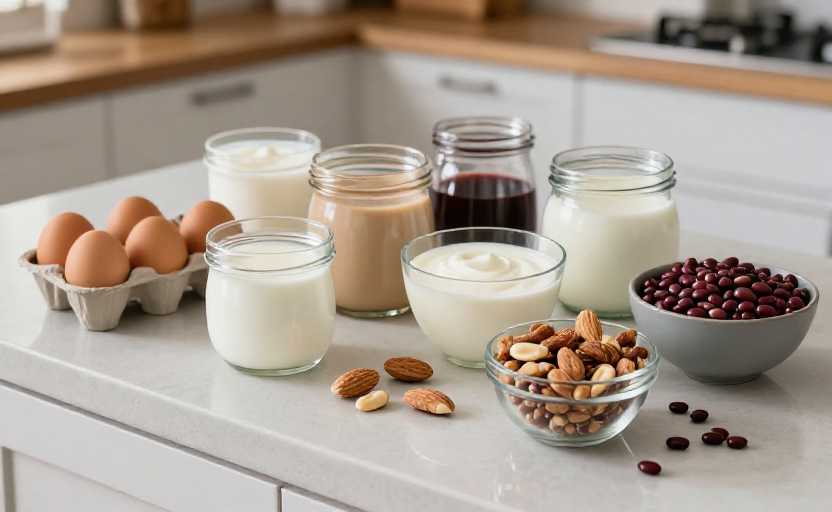
A more common problem than eating the wrong thing is actually wrong eating habits. Many elderly people in the family of pregnant mothers always think that "you should eat more when you are pregnant." They fill a bowl of rice every time and lie down on the sofa after eating. It is strange that their blood sugar is not high. When I went to a class for pregnant mothers before, the doctor mentioned that it is best to break up three meals a day into five or six meals, eat breakfast, lunch and dinner until you are 70% full, and add a small meal at 10 am, 3 pm and before going to bed, such as a boiled egg with half a corn, or a small box of sugar-free yogurt with about 10 small tomatoes. By the way, don’t drink a lot of soup while eating. It’s best to drink it half an hour before a meal. Otherwise, the rice will be soaked in the soup and go into your stomach, digesting it very quickly and raising blood sugar. Don’t take it seriously.
There are also many pregnant mothers who go to extremes as soon as their blood sugar is found to be high. They either cut off all staple food and only eat vegetables like my best friend, or they think "if I don't eat carbohydrates, it will be fine if I eat more meat." They eat braised pork ribs and beef rolls. As a result, eating too much fat will aggravate insulin resistance, prevent blood sugar from lowering, and make them prone to constipation. During pregnancy, gastrointestinal motility is already slow, which is simply adding insult to injury. There are also pregnant mothers who dare not touch meat at all and go all vegetarian. In the end, it is found that the protein is not enough, the fetus is two weeks too small, and the hair loss is severe. It is completely unnecessary.
The two pregnant mothers around me who have successfully controlled their sugar have taken two completely different paths: One is a very self-disciplined teacher, who strictly follows the recipes given by the Women's Health Care Center, does not touch any high GI foods, and walks for half an hour after meals every day. In the end, she gave birth to a little girl weighing 6 and a half pounds, and her blood sugar was extremely stable throughout the process.; The other is a greedy designer. Occasionally he can't help but take a small bite of ice cream and bite half a piece of wife cake. But every time he eats, he will walk an extra 20 minutes. He will also test his fingertip blood at home. As long as the blood sugar does not exceed the standard, he will not worry. In the end, the baby is also very healthy, and he is in a very good mood throughout the pregnancy.
To be honest, most of the hyperglycemia in pregnancy is a physiological increase caused by hormonal changes during pregnancy. You don’t have to worry about it every day like you have a serious illness. You just need to avoid the core minefields and you don’t have to be a complete ascetic. If you are really not sure whether something is edible or not, you can tell by taking a fingertip blood test after eating it, which is more reliable than searching for ten "taboo lists" online.
Oh yes, one last thing to mention, don’t eat too little staple food just to control sugar. If you have symptoms of hypoglycemia such as dizziness, palpitation, and sweating, it is more dangerous than slightly higher blood sugar. Don’t worry about one thing and the other.
Disclaimer:
1. This article is sourced from the Internet. All content represents the author's personal views only and does not reflect the stance of this website. The author shall be solely responsible for the content.
2. Part of the content on this website is compiled from the Internet. This website shall not be liable for any civil disputes, administrative penalties, or other losses arising from improper reprinting or citation.
3. If there is any infringing content or inappropriate material, please contact us to remove it immediately. Contact us at: