
Diet taboos for pulmonary hypertension
High-sodium and high-salt diets, stimulating diets that easily induce nervous excitement, and excessive fluid intake beyond the body's tolerance. The rest of the so-called "taboos" must be flexibly adjusted based on personal cardiac function classification and daily tolerance. There is no need to treat yourself harshly with the "taboo list" on the Internet.
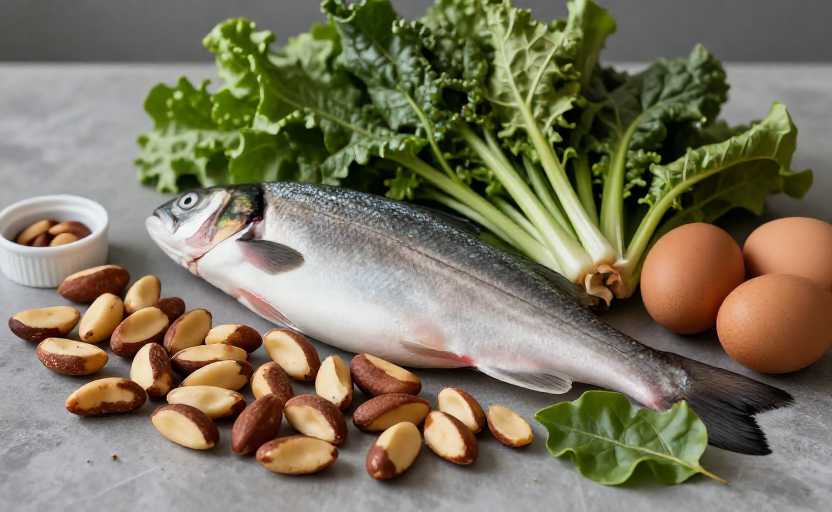
Let’s first talk about the high-salt problem that everyone is most likely to get into trouble with. I just received a 32-year-old female patient in the outpatient clinic last week. She had been taking medication regularly for more than half a year and could walk up three floors without gasping for breath. However, she went back to her husband's house for two days during the National Day and ate pickled crabs and pickled duck, as well as three pre-made bento boxes from a convenience store. On the third day, her feet were so swollen that she couldn't even put on sneakers. She was so breathless that she clutched her chest after taking only two steps. When she came for a follow-up check, her BNP (heart failure indicator) tripled. The reason is actually very simple: the right heart load of PH patients is heavier than that of ordinary people. Excessive sodium intake will induce sodium retention and increase blood volume, which is equivalent to directly adding more burden to the already "overworked" right heart. In severe cases, it can also induce acute right heart failure. Interestingly, regarding the control standards for daily sodium intake, the recommendations of different clinical centers are really different: European and American guidelines generally require strict control within 2g (roughly equal to 5g of table salt). In many domestic clinical practices for mild patients, as long as the cardiac function is at level I and there is no history of edema, there is no need to be overly nervous if you occasionally eat two mouthfuls of light pickles and salted eggs, as long as you don't eat them for a long time.
Let’s talk about spicy foods that many people tend to ignore. I once managed a young man in his 20s, whose condition had been stable for almost a year. When he went to eat spicy Chongqing hotpot with his friends, the sweet tea was not strong enough to relieve the spicy taste, so he drank two bottles of functional drinks. That night, he suffered from heart palpitations and was unable to lie down. The pulmonary artery pressure measured in the emergency department was 22mmHg higher than usual. Things such as strong tea, strong coffee, super spicy/super hot food, and functional drinks will stimulate sympathetic nerve excitement, accelerate the heart rate, increase blood pressure, and directly increase the pressure on the pulmonary arteries. It is generally recommended to eat as little as possible. But there is no need to apply one-size-fits-all. I have an aunt who is a patient who has been drinking light green tea for more than 30 years. She has never had a panic reaction after drinking it. Now she still maintains the habit of drinking one cup a day, and all the indicators are stable when reviewed. In this case, there is no need to force quitting, which will affect her mood.
There is another misunderstanding that many patients have encountered, which is to blindly drink more water to "detoxify". Many people think that drinking more water will improve their metabolism, so they hold a thermos cup and drink two to three liters a day. As a result, within two days, their legs will be swollen, their stomach will be bloated, and they will be out of breath and unable to sleep well. In fact, the individual differences in this area are even greater: if your heart function is good and you don’t have edema or abdominal distension, drinking 1.5-2 liters a day is absolutely fine. ; However, if you have right ventricular insufficiency, lower limb edema or ascites, you must strictly control your daily fluid intake (including water in soups, porridge, and fruits) within 1 liter, or even lower as prescribed by your doctor, and adjust your intake and intake every day.
There are actually many controversial points about diet, such as whether you can drink alcohol? In the early years, a small sample study said that drinking a small amount of red wine can improve vascular endothelial function. Now more clinical evidence shows that alcohol will increase myocardial oxygen consumption and increase the burden on the right heart. Therefore, the mainstream still recommends giving up alcohol completely. But if you really want to take a sip of low-alcohol wine during the holidays, and you don’t feel panic or chest tightness after drinking it, it’s not a big deal to take a small sip, and you don’t have to put too much psychological burden on it. Instead, I would like to remind everyone of those folk remedies that claim to “replenish the body,” such as ginseng and astragalus, which are highly tonic Chinese medicinal materials, as well as unknown health supplements. Many of them contain ingredients that can increase blood pressure and accelerate heart rate. You must ask your doctor before taking them, so as not to cause problems by taking supplements indiscriminately.
To be honest, among the PH patients I have come into contact with, those who control their diet flexibly have a higher quality of life and better prognosis than those who stick to a list and dare not eat anything. You can completely figure out the eating rhythm that suits you: for example, buy a small low-sodium spoon for cooking, tell the waiter in advance to add less salt and less sauce when eating out, taste a small amount of whatever you want to eat, and if you don't feel uncomfortable after eating, you can eat some occasionally next time. There is really no need to make eating like a torture because of dietary restrictions. After all, dietary management is ultimately meant to make you more comfortable, not to put shackles on your life. If you are not sure whether you can eat it or not, casually asking the attending doctor during your next review is much more reliable than reading random posts on the Internet.
Disclaimer:
1. This article is sourced from the Internet. All content represents the author's personal views only and does not reflect the stance of this website. The author shall be solely responsible for the content.
2. Part of the content on this website is compiled from the Internet. This website shall not be liable for any civil disputes, administrative penalties, or other losses arising from improper reprinting or citation.
3. If there is any infringing content or inappropriate material, please contact us to remove it immediately. Contact us at: