
Diet taboos for pleurisy
In the acute stage, avoid high-salt, spicy, and gas-producing foods. At the same time, the range of taboos needs to be adjusted based on the specific cause of pleurisy. There is no "absolute fasting list" that is universal for everyone.
Many newly diagnosed patients search for "what should not be eaten with pleurisy" and there are more than twenty items on the list. They wish they could not even touch eggs and milk. In fact, it is completely unnecessary. I treated a 22-year-old girl with tuberculous pleurisy last year. She recovered very well when she was discharged from the hospital, and the pleural effusion was basically absorbed. However, within a week, she came for a reexamination while holding her chest. She said that she secretly went to eat spicy butter hot pot with a friend for three days a few days ago, and the chest pain that had disappeared came back. A CT scan showed that a small amount of pleural effusion had recurred, and she adjusted the medicine and took it for half a month. But that doesn’t mean that all patients with pleurisy must be completely insulated from spicy food. I have an old patient in Chongqing who can’t eat anything without chili peppers. After the acute stage, he relaxed the requirements and added two less millet chili peppers to each meal. As long as he doesn’t cough or feel chest pain after eating, he’s totally fine.
The pitfall that is most easily overlooked is actually high salt. Many people think that as long as they don't eat pickles and marinated meat, it's enough. In fact, the sodium content in the takeaways they usually order, the prepared dishes sold in convenience stores, and even the soybean paste and barbecued pork sauce commonly used at home are ridiculously high. Pleurisy itself is accompanied by an inflammatory reaction in the pleura. Taking in too much sodium will aggravate water and sodium retention, and the absorption of pleural effusion will be much slower. It may take up to three weeks to be discharged from the hospital in two weeks. Of course, this requirement is not one-size-fits-all. If you only have mild viral pleurisy and no obvious symptoms of pleural effusion or chest tightness, you don’t need to strictly control the daily salt intake within 3g like heart failure patients. You can just add less salt in normal cooking. There is no need to eat completely tasteless dishes.
There is another taboo that many people don’t know, which is to eat less foods that easily produce gas. When I was on duty in the respiratory department, I met an uncle in his 50s. He had tuberculous pleurisy for a week and was about to be discharged from the hospital. His family felt sorry for him because he had been eating light food for several days, so they specially bought his favorite roasted sweet potato and sent it to him. He ate two large pieces on an empty stomach, and he shouted that night. His chest was tight and he couldn't breathe. The doctor on duty was originally going to arrange for him to have an emergency pleural effusion pumping operation. However, after taking a X-ray, he found that the pleural effusion had not risen. It was the flatulence pushing up the diaphragm and compressing the pleural cavity. After he was ventilated, he immediately felt better. He also said that he would never dare to eat sweet potatoes again. For example, sweet potatoes, soybeans, carbonated drinks, and sparkling water that young people like to drink nowadays can easily cause bloating if eaten too much. Try to avoid them as much as possible during the acute period. If your gastrointestinal function is particularly good and you don’t feel bloated after eating, then it’s okay to take a few bites. There is no need to completely fast.
In addition, dietary taboos must be adjusted based on the cause of the disease. This is most likely to be missed by the general list on the Internet. For example, patients with tuberculous pleurisy must take anti-tuberculosis drugs such as rifampicin and isoniazid for a long time, and they must not touch grapefruit or grapefruit. This will affect the efficiency of the liver in metabolizing the drugs. The efficacy of the drugs may be reduced in mild cases, or adverse drug reactions may occur in severe cases. If pleurisy is caused by an autoimmune disease, such as lupus erythematosus or rheumatoid arthritis, try to avoid photosensitive foods, such as celery, coriander, and figs, which may induce an immune response and aggravate inflammation. But if it is just pleurisy caused by a common bacterial infection, there is basically no need to have any dietary restrictions after it is cured, and you can just eat normally.
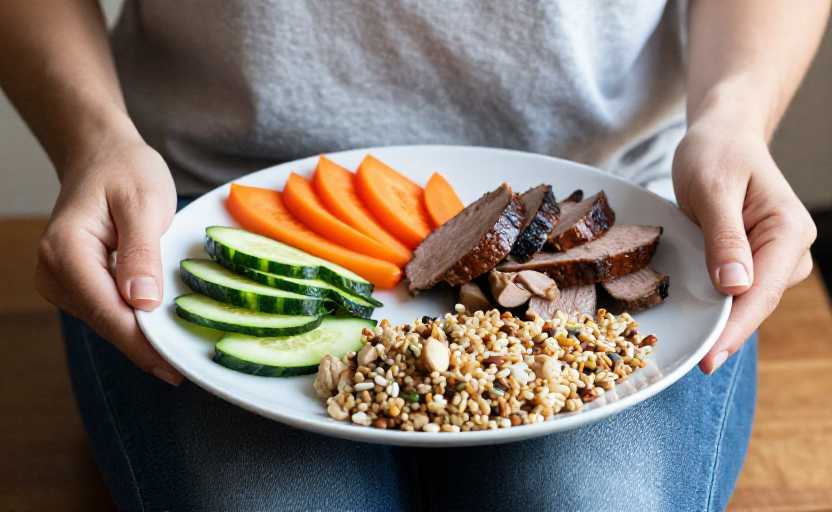
I often tell the patients who come for review that diet is only a part of assisting recovery. There is no need to eat plain boiled vegetables every day because of dietary restrictions. Only when the protein and vitamins keep up with the inflammation can the inflammation disappear quickly. If you are really not sure whether something can be eaten, just take a few bites and try it. If you don’t experience any chest pain, worsening cough, or chest tightness after eating, then just eat with confidence. This is much more useful than looking at words from an online list.
Disclaimer:
1. This article is sourced from the Internet. All content represents the author's personal views only and does not reflect the stance of this website. The author shall be solely responsible for the content.
2. Part of the content on this website is compiled from the Internet. This website shall not be liable for any civil disputes, administrative penalties, or other losses arising from improper reprinting or citation.
3. If there is any infringing content or inappropriate material, please contact us to remove it immediately. Contact us at:
