
Diet taboos for breast cysts
There are no foods that patients with breast cysts must not eat. There are only three categories that really need to be avoided - long-term intake of large amounts of food/health products containing exogenous estrogen, frequent consumption of pro-inflammatory foods with high sugar, fat and salt, and blind consumption of breast enhancement and ovary maintenance products with unknown ingredients. The rest of the "can't drink soy milk", "can't eat honey" and "can't touch chicken" stories spread online are mostly based on rumors, so don't be overly anxious.
I just met a 32-year-old girl in the clinic last week. A 1.2cm breast cyst was found during a physical examination. She gave away her soymilk machine when she returned home. She even dared not eat mapo tofu for fear that estrogen would rise after eating soy products. However, the cyst had grown to 1.8cm during a three-month review. When I asked, I found out that she was afraid that soy products might contain hormones, so she bought the "Age-Reducing Beauty Pills" recommended by her relatives, and stewed snow clams every day to replenish collagen. Doesn't this mean she avoided a small pit and stepped into a big pit?
Many people don’t know that exogenous estrogen is a minefield that they really need to be wary of. Foods derived from animals such as snow clams and royal jelly have high estrogenic activity. It is okay to try them occasionally. However, if you eat them every day like many beauty-loving girls do, it will easily break the hormone balance in the body and stimulate the enlargement of cysts. There are also those "breast enlargement creams", "ovary maintenance capsules" and "rejuvenation drinks" that are so popular in the circle of friends and live broadcast rooms. Nine out of ten are added with synthetic estrogen. You may feel that your skin is brighter and your menstrual period is more accurate when you first use them. In fact, it will bring extra burden to the breast and uterus. Clinically, there are really not a few patients who develop cysts or even nodules due to indiscriminate consumption of such health products.
Speaking of estrogen, some people must ask, "Aren't the soy isoflavones in soy milk estrogen?" 」There are indeed different voices in the academic community on this topic: Some studies believe that soy isoflavones are phytoestrogens, and their ability to bind to the estrogen receptors of the human body is less than one thousandth of that of real estrogen. Instead, they can play a two-way regulatory role - when estrogen is high in the body, it competes for receptor positions and reduces the effect of estrogen. When estrogen is low, it can supplement it a little. Drinking 200ml of pure soy milk every day is no problem. ; Some scholars also believe that patients who have been diagnosed with cysts larger than 2cm and whose breast swelling and pain are particularly obvious before menstruation can appropriately reduce their large intake at one time. For example, instead of drinking two or three large cups of thick soy milk a day and eating a pound of tofu every meal, there is no need to burden yourself with eating a tofu pudding or a cup of soy milk. I have clinically followed up dozens of cyst patients who drank soy milk every day. On the contrary, most of them had more stable hormone levels and relieved menstrual pain. There is really no need to worry about a cup of soy milk.
Oh, by the way, some people asked if honey can be eaten? The estrogen content in ordinary honey is very small. It is perfectly fine to drink a small spoonful a day. As long as you don’t eat royal jelly as ordinary honey every day, the hormone content of the two is hundreds of times different.
In addition to estrogen-related ones, another category that needs attention is long-term consumption of pro-inflammatory foods. It’s not that your occasional cup of full-sugar milk tea or spicy hotpot will cause the cyst to become malignant. It’s just that you’re afraid of eating it every day. There used to be a 27-year-old girl who worked in operations. She worked overtime every day and relied on milk tea to survive. She ordered takeaways that were heavy in oil and salt. A physical examination revealed that the cysts on both sides were almost 3cm. It was uncomfortable to wear underwear when she was in pain. I asked her to first change her milk tea to sugar-free, and drink no more than one cup a week, and try to choose stir-fried and less braised and fried take-out. She persisted for three months and came back for a check-up. The cyst shrank to 1cm, and the swelling and pain were basically gone. Foods high in sugar, high in salt, and rich in trans fatty acids will aggravate the body's chronic inflammatory response. Cysts are originally benign liquid packets. When stimulated by inflammation, they can easily become congested and enlarge, and the pain will become more obvious. Eat as little as possible if you can. It is also good for your skin and weight, right?
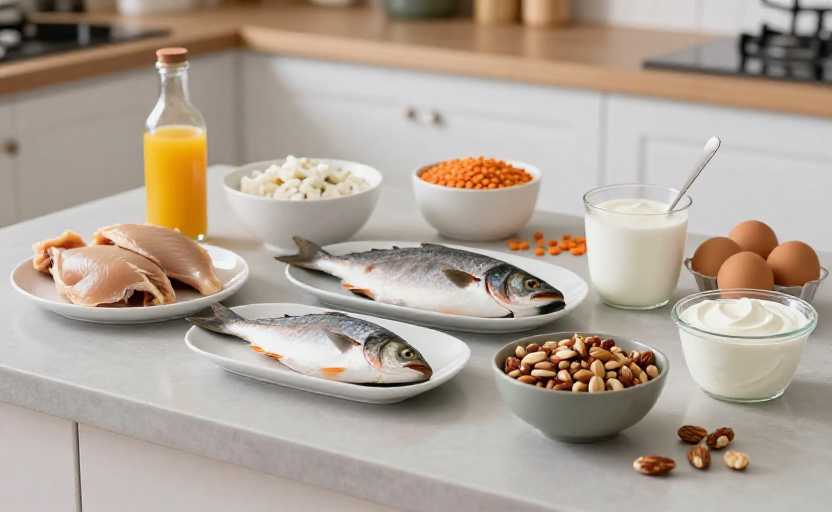
There are also many widely circulated "taboos" that are actually true. For example, many people say that they cannot eat fast-growing chickens, saying that they are given hormones to promote growth. In fact, the fast-growing chickens raised by regular farmers are the result of breed selection and do not need estrogen at all. On the contrary, many so-called "local chickens" raised by individual households may add additives in violation of regulations in order to make the chickens less sick and grow faster. When buying, try to choose those from regular supermarkets, and there will be no problem. Some people say that seafood is a "fatty thing" and should not be eaten. This is actually a cognitive difference between Chinese and Western medicine: Modern medicine believes that as long as you are not allergic to seafood, eating some deep-sea fish, shrimp and other supplements of Omega 3 can actually help relieve inflammation. ; The "hair-promoting substances" in Chinese medicine are not generalized. It depends on the individual's constitution. If you have a damp-heat constitution and are prone to getting angry and have thick tongue coating, then eat less hot fruits such as durian, mango, and lychee. If you are usually afraid of the cold and have severe menstrual pain, then avoid cold drinks such as iced milk tea and iced coffee. There is no need to blacklist all "hair-producing substances".
In fact, after all, more than 90% of breast cysts are benign, and the probability of malignant transformation is less than 1%. There is really no need to deal with the diet every day because of this small problem. I often tell patients that if you don’t talk for a long time and stay up late every day to get sulky, your hormones will still be messed up and cysts will still grow. Paying a little attention to your diet and not stepping into the big pitfalls just mentioned, and being less angry and sleeping more will be more effective than any taboos.
Disclaimer:
1. This article is sourced from the Internet. All content represents the author's personal views only and does not reflect the stance of this website. The author shall be solely responsible for the content.
2. Part of the content on this website is compiled from the Internet. This website shall not be liable for any civil disputes, administrative penalties, or other losses arising from improper reprinting or citation.
3. If there is any infringing content or inappropriate material, please contact us to remove it immediately. Contact us at: