
Diet taboos for chronic atrophic gastritis
Prioritize the avoidance of foods that clearly damage the gastric mucosa and increase the risk of cancer, avoid foods that increase the burden on digestion, and do not blindly over-restrict foods that lead to malnutrition. This is the most practical principle I have summarized after having been in the gastroenterology department for almost ten years, following more than 300 patients with atrophic gastritis, and seeing too many people step into the trap.
Oh, by the way, let’s talk about the most quarrelsome issue of “can we eat spicy food” first. In the past, the old concept always said that patients with gastritis should absolutely avoid spicy food, but now there are actually different opinions in the industry: if you are in the attack period and have severe stomach pain, acid reflux, or heartburn, you really need to stop for a while. ; But if the condition is stable and there is no obvious discomfort at ordinary times, eating a small amount of spicy dishes made from fresh peppers can promote local blood circulation in the gastric mucosa, which is good for repair. Last year I met a 42-year-old freight driver. He used to rely on spicy food for every meal during long distances. After he was diagnosed with atrophic gastritis, he refused to touch spicy food. He ate white porridge with vegetables three times a day. However, after three months of reexamination, he found that not only had the mucosal atrophy not improved, he was also deficient in folic acid and vitamin B12, and his face turned sallow. Later, the diet plan was adjusted for him, allowing him to eat home-cooked mildly spicy stir-fries 1-2 times a week, as long as he did not add the seasonings made from industrial chili peppers, plus an egg and a cup of warm milk every day. After half a year, he was rechecked and found that the mild intestinal metaplasia had reversed.
Of course, there are some taboos that are not controversial, and you have to abstain from them. The first to bear the brunt are clear first-level carcinogens: pickles, salted fish, and bacon that have been pickled for more than a week, as well as various processed meat products such as ham, sausages, and bacon, not to mention moldy rice and nuts. The high salt and excessive nitrite in these foods will synergize with Helicobacter pylori. The defense of the already atrophic gastric mucosa is much worse than that of ordinary people. Long-term consumption of these foods will only accelerate the progression of atrophy and intestinal metaplasia, and in severe cases may even lead to intraepithelial neoplasia. Don't make excuses about the cases around you that "eat pickles all your life and you don't get stomach cancer." The probability of such a thing happening to you is 100%, so you can't gamble.
There is another taboo that many people don’t take seriously, that is, don’t eat food that is too hot. If the temperature of freshly made hot pot, boiling hot soup, or freshly brewed gongfu tea exceeds 65°C, it will directly burn the surface of the mucosa when it enters the stomach. Repeated burns will cause repeated repairs. The atrophic mucosa, which has insufficient activity, cannot keep up with the repair speed and is prone to dysplasia. Two years ago, I treated a 68-year-old tea drinker who had been drinking freshly boiled Gongfu tea for more than 40 years. After being diagnosed with atrophic gastritis, he still couldn't change his habit. He said that "tea that is not hot is tasteless". However, after a follow-up examination two years ago, it was found that he had developed low-grade intraepithelial neoplasia, and it took a lot of effort to cure it.
As for "eating porridge every meal" that many people regard as the "stomach nourishing bible", I advise you not to do this for a long time. If the digestive function is weak during the attack, it is okay to drink warm porridge for two or three days to transition. However, if you drink it every day, the digestive function of the stomach will "use it or lose it" and become weaker and weaker. Moreover, the nutrient density of white porridge is too low, and the protein and vitamins needed for mucosal repair cannot keep up. If you drink it for a long time, it will only become more nourishing and weak.
Oh yes, there is also the question of whether you can eat fruits. The views of Chinese and Western medicine are indeed different: Chinese medicine generally recommends avoiding cold fruits such as watermelons and pears, for fear of aggravating the deficiency of the spleen and stomach.; The view of Western medicine is more relaxed. As long as you don't feel uncomfortable after eating it, you can eat fruits with high vitamin C content such as apples, oranges, and kiwis at normal temperature. Vitamin C can also inhibit the synthesis of nitrite, which is good for the stomach. If you get acid reflux and stomach pain as soon as you eat cold food, then you can warm it with warm water for a minute or two before eating. There is no need to force it, and there is no need to give up fruits completely.
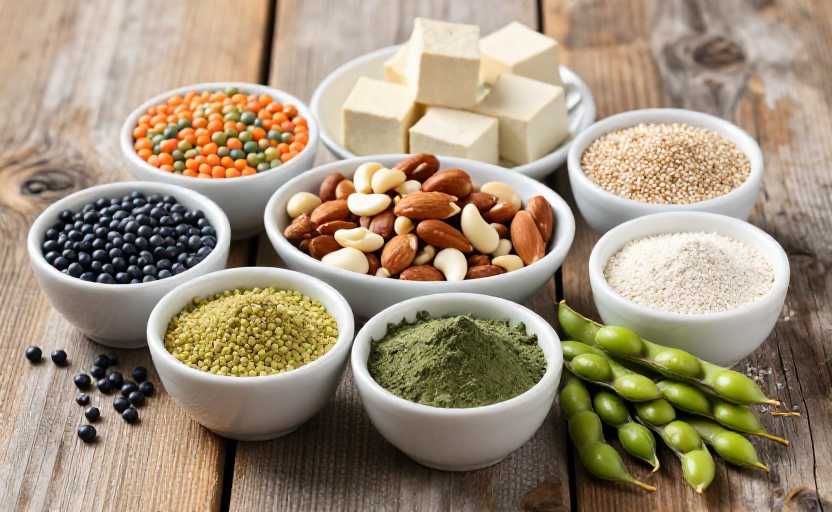
There are also some "can't drink milk", "can't eat eggs" and "can't eat soy products" posted on the Internet, which are really nonsense. Unless you are lactose intolerant, have diarrhea after drinking milk, or are allergic to soy products, the high-quality proteins in these foods are necessary ingredients for repairing the gastric mucosa. I once had a 56-year-old aunt. After she was diagnosed with atrophic gastritis, she read online and gave up milk and eggs. She only ate boiled vegetables and steamed buns every day. She lost 15 pounds in less than half a year. When she came for a follow-up examination, not only was the mucosal atrophy more severe, but she was also found to have hypoalbuminemia. It was really not worth the loss.
In fact, after all is said and done, the diet for atrophic gastritis really does not have so many rigid rules and regulations. Except for those high-risk foods that are clearly to be avoided, the rest can be adjusted based on how your stomach feels: if you feel comfortable eating, eat in moderation; if you feel uncomfortable eating, stop for a while. After all, stomach problems are treated in three parts and nourished in seven parts. This "nurturing" has never meant that you dare not eat this or touch that, and feel nervous every day. A good mood is much more beneficial to your stomach than if you avoid ten or eight things.
Disclaimer:
1. This article is sourced from the Internet. All content represents the author's personal views only and does not reflect the stance of this website. The author shall be solely responsible for the content.
2. Part of the content on this website is compiled from the Internet. This website shall not be liable for any civil disputes, administrative penalties, or other losses arising from improper reprinting or citation.
3. If there is any infringing content or inappropriate material, please contact us to remove it immediately. Contact us at:
