
Introduction to the features of fitness facilities for the elderly
The core feature of qualified elderly fitness facilities currently on the market is that they are completely customized around the physiological and psychological characteristics of the elderly. They are different from the "universal" design of fitness facilities for the general public. The core feature is to realize the triple value of rehabilitation assistance, social support, and fun and leisure, rather than simply "difficulty-reducing fitness equipment."
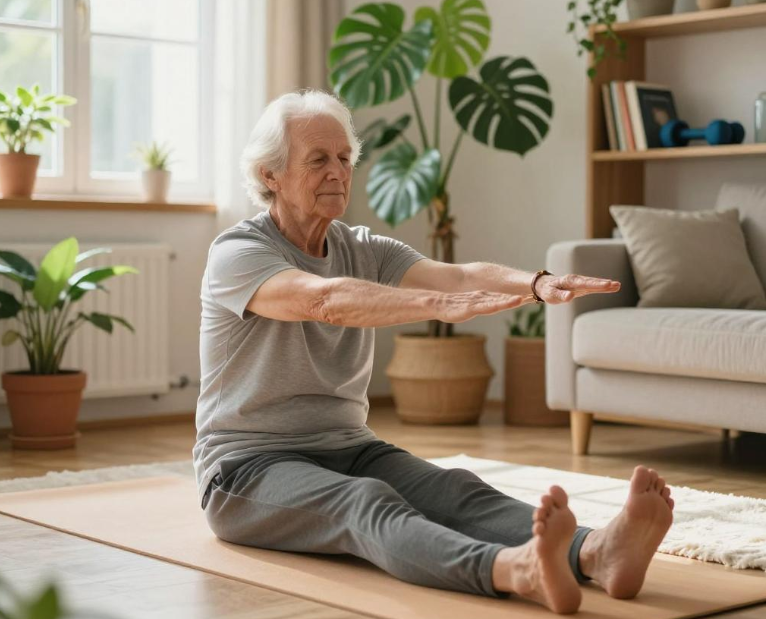
Last week I went for a walk with my aunt Zhang downstairs at the community fitness center. She pointed to the Tai Chi massager on her hand and lamented to me that this thing is much easier to use than the one three years ago. The previous push plate was made of hard plastic, which was freezing to the touch in winter and the edges were irritating to the hands. Now it is wrapped with 3cm thick food-grade EVA foam. I squatted down and touched the base of the facility. All the protruding corners were rounded to R30 or above, and even the fixing bolts were buried in rubber protective sleeves. The floor mat next to it was not the plastic mat that was so thin that it slipped when stepped on. It was made of high-density rubber with a static friction coefficient of ≥0.8. People would not shake when they stepped on it on rainy days. These are the most practical aspects of the elderly fitness facilities that have been improved in recent years.
Speaking of these changes, we cannot avoid the issue of design direction that the industry has been arguing about for several years. Manufacturers with a background in rehabilitation equipment insist on moving in the direction of "professional medical assistance." A Zhejiang manufacturer I have contacted before makes a lower limb trainer with a heart rate alarm and joint stress calculation. The elderly can generate exercise reports after ten minutes of stepping on it. It can also be synchronized with family doctors in community hospitals. It is suitable for elderly people with chronic diseases who need precise rehabilitation. But Lao Li, who is in charge of street procurement, is more sympathetic to the other school of "lightweight social" ideas. He stepped on the trap two years ago and spent a lot of money to buy three smart fitness machines with touch screens. As a result, most of the elderly people can't connect to Bluetooth or enter passwords, and they have been collecting dust for half a year. Later, they replaced them with smart fitness machines with touch screens. The usage rate of the leg press and the three-person swing board on the chess table has tripled. Many old people come here not just to train their muscles, but to find a way to chat with their old friends about home affairs. After pressing the legs, they can sit down and play two games of chess. It is easier to use than any other smart function.
Nowadays, fitness spots in most communities combine the two types of facilities. In the Binhe Fitness Park near my home, there are upper limb trainers with blood oxygen detection and height-adjustable lumbar traction machines on the east side for the elderly with rehabilitation needs; on the west side there are multi-person rotating drums, walkers with water cup holders and birdcage hooks, and even upper limb activity machines specially designed for elderly people in wheelchairs. The wheelchair can be directly stuck into the reserved groove, and the handle can be turned to move the shoulders without getting up. Last time I saw a few old men on crutches, basking in the sun next to the leg press bar with specially added armrests. Even the height of the handrails was just right for the old people to put their hands on when using crutches. These small details were figured out by the designers after visiting dozens or hundreds of communities and observing the usage habits of the elderly for several months.
Some people say that current fitness facilities for the elderly are flashy and not as durable as the iron frames of the past. This is actually true. The iron frames in the past were so strong that they could not be damaged even after being exposed to wind and rain for ten years. However, the facilities at that time did not take into account the inconvenience for the elderly. The hands would be cold in winter and the buttocks would be burned in summer. Short elderly people could not reach them, and they were too weak to turn. Although the current facilities look more "delicate", every modification is made according to the needs of the elderly. Last time I saw an old man hanging a birdcage on a hook next to the walking machine, shaking his legs while playing with the birds, and before leaving, he could put a thermos cup in the cup holder next to it. You said this is not fitness equipment, it is obviously an outdoor pleasure station for old men and women.
Disclaimer:
1. This article is sourced from the Internet. All content represents the author's personal views only and does not reflect the stance of this website. The author shall be solely responsible for the content.
2. Part of the content on this website is compiled from the Internet. This website shall not be liable for any civil disputes, administrative penalties, or other losses arising from improper reprinting or citation.
3. If there is any infringing content or inappropriate material, please contact us to remove it immediately. Contact us at: