Cognitive health education for the elderly includes
Pre-emptive prevention and control science for high-risk factors, practical daily cognitive ability training methods, and social support system science that adapts to different stages of cognitive decline, together form a content framework covering the full cycle of "prevention-intervention-care".
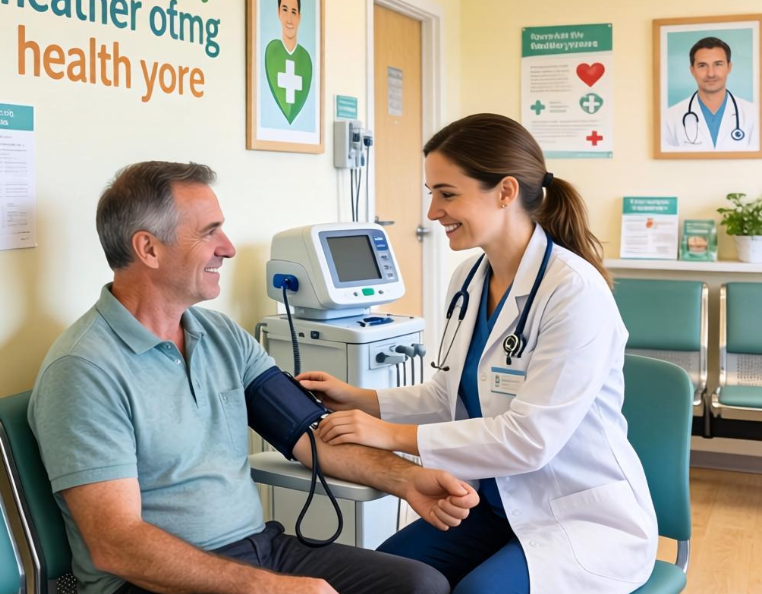
I met 68-year-old Aunt Zhang last year when I was doing cognitive screening in an old community in Gongshu District, Hangzhou. At that time, she only scored 2 points (out of 4 points) on the clock drawing test, which already met the criteria for mild cognitive impairment (MCI). I still thought, "Isn't it normal for you to forget things when you get older? ”He didn’t even know the relationship between his chronic high blood pressure, his habit of sleeping only 4 hours a day, and his cognitive decline. This is also the cognitive blind spot of many elderly people at present: cognitive decline is not an "inevitable result of getting older", and nearly 40% of dementia cases can actually be prevented by controlling pre-risk factors. To put it simply, cognitive decline is like loose teeth. They don’t necessarily fall out as you get older. If you control your blood pressure, get enough sleep, and talk to more people, it’s like brushing your teeth every day and cleaning them regularly. It will still work well into your eighties or nineties. However, there are still differences in the definition of risk factors in the academic community: some studies believe that depression, anxiety and other emotional problems are only accompanying symptoms of cognitive decline and do not need to be included in pre-screening items. However, the latest follow-up study in "The Lancet Neurology" in 2023 confirmed that long-term mild Anxiety can increase the speed of cognitive decline by 27% and is an independent risk factor. When we do front-line science popularization, we will also add content on emotional regulation. We will not give the elderly an "absolute cause and effect", but will only remind them that "when you are in a bad mood, talk to more people, which is also good for your memory."
When many elderly people first come into contact with cognitive health science, what they are most concerned about is not “how to prevent”, but “what to do if they start forgetting things”. There have always been two schools of thought in the academic community regarding cognitive training methods: The academic school recommends evidence-based and standardized cognitive training tools, such as digital therapy-like attention allocation and working memory training modules, believing that variables are controllable and effects can be quantified. ; When we do community practice, we prefer "scenario-based embedding" - hiding the training in the elderly's daily hobbies. After all, only the intervention that can be sustained is the most effective intervention. Don't tell me, the "Old Guys Memory Check-in Group" we held in our community only did one thing every week: learn to cook a home-cooked dish that has never been done before, shoot a 15-second short video of the process and send it to the family group. There is no need to memorize knowledge points or do exercises. After half a year, the scores of more than a dozen elderly people with mild cognitive impairment have increased by an average of 1.2 points on the clock drawing test. Even Uncle Li, who often forgot to turn off the gas before, can take the bus to the vegetable market to buy food for the family. On the contrary, we tried to promote standardized training on tablets before. After a week, only two old people were still insisting on it. The rest said, "I feel dizzy staring at the screen. It would be more interesting to go to the chess and card room and play two rounds of mahjong."
Many people tend to miss the most invisible piece of content: Cognitive health is never a matter for the elderly alone. The support system of family members and communities is equally important. Last month, a family member took his 72-year-old father for screening and said, "If you find out, you can't cure it. It's better not to know, so as to save the elderly from the psychological burden." In fact, this is also a misunderstanding of many family members: even for patients who have been diagnosed with Alzheimer's disease, early intervention can postpone the time of severe disability by 3-5 years, greatly improving the quality of life of the elderly and their families. This part of the popular science content does not have so many "medical knowledge points", but it is all very trivial things: for example, do not change the placement of furniture at home to prevent the elderly with cognitive decline from getting lost. ; When an old man forgets something, don’t say, “Why did you forget it again?” Instead, follow his words. ; Street signs in the community should have large fonts and high contrast colors, and it is best to add cartoon logos. These inconspicuous details are much more useful than many high-end training tools.
Having been doing science popularization on cognitive health for the elderly for almost five years, my biggest feeling is that there has never been a standardized "perfect content list." Some elderly people like to listen to evidence-based medicine, while others like to do handicrafts and play mahjong. Even the same elderly person needs completely different content in the stage of normal cognition and the stage of mild decline. The content is dead, but the people are alive. If the elderly can truly understand it, use it, and be willing to follow it, it is qualified cognitive health education content.
Disclaimer:
1. This article is sourced from the Internet. All content represents the author's personal views only and does not reflect the stance of this website. The author shall be solely responsible for the content.
2. Part of the content on this website is compiled from the Internet. This website shall not be liable for any civil disputes, administrative penalties, or other losses arising from improper reprinting or citation.
3. If there is any infringing content or inappropriate material, please contact us to remove it immediately. Contact us at: