
Daily Care Standards for the Elderly
Focus on the individual needs and independent wishes of the elderly, maintain the bottom line of medical safety and environmental safety, and take into account the quality of life and personal dignity. All operations cannot be regulated without being separated from the "people" themselves.
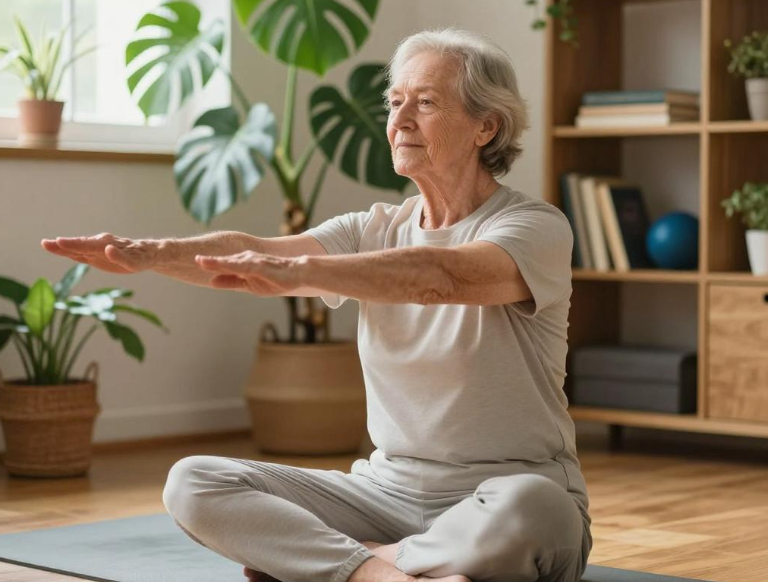
I have been working in community nursing for the elderly for 8 years, and I have seen too many family members relying on the "nursing encyclopedia" found online, and in the end, problems occurred. The most typical thing I encountered at Aunt Zhang’s house last month was that she suffered a stroke six months ago and suffered hemiplegia on the left side of her body. Her son was afraid that she would fall, so he not only wrapped all the furniture in the house with anti-collision strips, but also bought restraint belts, which she had to wear when she was in a wheelchair. As a result, last week, while the caregiver was pouring water, the aunt secretly pulled the restraint belt to get the water glass on the table, causing the chair to fall and require three stitches on her arm. The industry has actually been arguing about restraint for almost ten years: the traditional clinical nursing school believes that safety is the first priority, especially for the disabled and cognitively impaired elderly. Necessary restraint can minimize the risk of falling and falling out of bed; but the humanistic nursing school, which has become more and more popular in recent years, firmly opposes it, saying that even if there is a 30% fall risk, the elderly should not be deprived of their freedom of movement for 100% safety. If you really want to prevent falls, it is better to install a bed guard and put commonly used things within reach, rather than tying them up. Among the cognitively impaired elderly people I have met, the more restrained they are, the more likely they are to become manic. Instead, they are given small toys to hold in their hands. They rarely stand up randomly when they sit in a wheelchair with a small table.
You see, there is no standard answer to even the most basic question "should I wear a restraint?" let alone anything else. Let’s talk about eating. Many people assume that the elderly have bad teeth and have to eat porridge and stewed vegetables. Previously, Uncle Li in our community had diabetes. His family members listened to the advice on the Internet and fed him multi-grain porridge every day. As a result, the glycosylated hemoglobin rose by 0.8 in less than three months, and he was also diagnosed with hypoalbuminemia. Why? Porridge raises sugar much faster than rice, and if you eat it soft every time, your chewing function will deteriorate faster, and your nutrition will not keep up. The current consensus in the clinical nutrition community is that as long as the elderly have no dysphagia and can chew by themselves, try to let them eat a diet similar to that of ordinary people. Change the grains into multi-grain rice, and stew the meat until it is softer but not into dregs, which can protect the chewing and digestive functions. If you really have dysphagia, don't just drink porridge, add some edible thickeners to water or soup. Avoiding choking and coughing is more important than eating soft food.
Speaking of coughing, I helped 78-year-old Grandma Wang do home care two weeks ago, and I realized that she hadn’t taken a shower for half a month. After asking, I found out that the previous nurse was afraid that she would catch a cold, so every time she took a bath, she would turn on the bathroom heater as high as possible and turn the hot water to very hot. Grandma Wang had cataracts, and the light from the bathroom heater hurt her eyes. She was too embarrassed to tell her, so she simply said she didn't want to wash her. You see, many care regulations say, "Keep warm when taking a bath in autumn and winter, and control the water temperature at around 40 degrees." But no one says to ask the elderly if they are afraid of light, and if they like the water to be hotter or cooler? There is also the frequency of bathing. Elderly people in the north may only bathe once a week, but elderly people in the south are used to bathing every day. If we insist on following the standard of "elderly people have dry skin, it is best to bathe twice a week", it will make the elderly uncomfortable. Oh, and there is pressure ulcer prevention. Many family members feel that the bedridden elderly have to turn over every two hours, and have to get up and turn over in the middle of the night even when the alarm clock is set. As a result, the elderly cannot sleep well and the family members are also very tired. In fact, the current view is that if the elderly are using an air mattress to prevent pressure ulcers, they can move their bodies a little and turn it over every 3-4 hours. If the elderly are sleeping soundly, there is no need to wake them up abruptly, which will affect the quality of sleep and may cause problems due to reduced immunity.
Many people think that nursing is just taking care of food, drink, and diarrhea and nothing happens, but that is not the case at all. Grandpa Chen from our community was a middle school Chinese teacher before he retired. The carer his children hired was very hard-working and did not let him do anything. He even brought water and food to his hands. As a result, the old man sat on the balcony in a daze every day without saying a word. Later I went there and deliberately asked him to help pick vegetables every day, read me a few newspaper editorials, and sometimes asked him about his previous teaching. Within half a month, he took the initiative to say hello to people he met, and he felt much better. Many family members feel that "letting the elderly work is unfilial," but geriatric psychology research has long proven that as long as it is something the elderly can do, letting him do more can maintain his sense of self-worth, which is much more effective than coaxing him "you don't have to do anything" every day.
Having said all this, it does not mean that the specifications written in the manual are useless, but they are the minimum standards and the bottom line. If we really want to take good care of the elderly, how can we have so many rigid rules? It's nothing more than thinking about it from his perspective. When you get older, would you rather be served according to the process, or would you rather be asked whether you want something sweet or salty today, whether you want to go downstairs or watch a movie at home? Norms are dead, but people are alive. This is the core principle of nursing, right?
Disclaimer:
1. This article is sourced from the Internet. All content represents the author's personal views only and does not reflect the stance of this website. The author shall be solely responsible for the content.
2. Part of the content on this website is compiled from the Internet. This website shall not be liable for any civil disputes, administrative penalties, or other losses arising from improper reprinting or citation.
3. If there is any infringing content or inappropriate material, please contact us to remove it immediately. Contact us at: