
Improvement measures for insufficient emotional management
The core improvement logic for insufficient emotional management is by no means "suppressing emotions and maintaining peace" as popularly believed, but rather building a personalized response system of "pre-warning - mid-event intervention - post-event review". There is no universal standard answer, and all measures must be adapted to personal personality and emotional triggering scenarios to be effective.
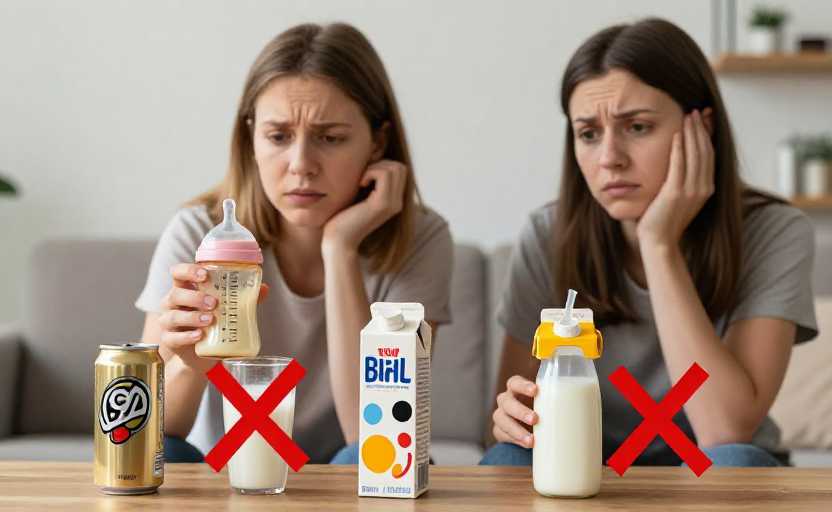
Many people may not believe it. Last year, I met no fewer than 20 consultants who said they had "poor emotional control." 90% of them fell into the same trap: "holding back from getting angry" is equated with good emotional management. What impressed me the most was a middle-level manager of a state-owned enterprise. He was always gentle and calm in front of his subordinates and did not even speak loudly. Last year, he was diagnosed with type 3 thyroid nodules during a physical examination. The doctor said that it was caused by suppressing his emotions. Every time he was angry with his employer or scolded by his boss, he kept it in his heart without saying anything. He couldn't even eat when he got home from get off work, and lay in bed tossing and turning over the day's events. In essence, it was not managing his emotions at all, but "storing up explosives" for his emotions.
In fact, there is no unified standard for emotional management solutions in the industry. The ideas of different schools are quite different, and the suitable groups of people are also completely different. To put it bluntly, emotions are like floods. Blocking them will only burst the dam. The prerequisite for dredging is that you must first understand where your water comes from, how big the flow is, and which river is suitable for diversion.
Friends who are impatient and get angry at the slightest moment should really not force themselves to "calm down". I have seen several young men in operations and sales who have tried the "count to 10 before getting angry" mentioned on the Internet, and they have already cursed at the third count, but they blame themselves even more afterwards. For this kind of people, the most effective method is the stupidest physical withdrawal method: say hello to the people around you in advance. As soon as you say "I'm going to the bathroom," don't stop you. Leave the scene that makes you angry for 3 minutes, go to the corridor to get some air, go to the tea room to drink half a glass of iced Coke, and then come back to talk after the adrenaline has subsided. Personal testing has shown that the effectiveness is over 90%. Last month, I had a student who was doing customer docking. He almost lost his job because of a quarrel with Party A. He tried this method for two months. He told me that the most recent time, even if Party A completely rejected the plan he had worked on for a week, he just got up to get a glass of water and came back to calmly talk to the other party about changing the direction. Before, he would have slammed the door and left.
If you are the kind of person who is used to swallowing your emotions and always internalizing them for a long time, physical withdrawal may not help you much. Instead, the "emotion writing method" of the cognitive behavioral school (CBT) is more suitable. I used to have a female student who was doing research and development. During the last team meeting, her proposal was rejected by her colleagues. On the surface, she didn't say anything. She went home and cried for half the night. She didn't want to talk to her colleague for a week. Later, she used the emotion writing method. Every time she got emotional, she would take out her phone and write three lines: What triggers me? What was my first reaction? Are there any other possibilities? She wrote such a simple three lines for half a month. She told me that before she always felt that others were targeting her, but now she realizes that she often thinks too much - the last time her colleagues rejected her plan, it was because the cost of the plan was too much over the budget, which had nothing to do with her as a person.
Oh, by the way, mindfulness meditation, which is so popular online, is actually quite controversial. Supporters will say that 10 minutes of mindfulness a day can help you detect emotional signals, such as clenching your fists or feeling tight in your chest before you get angry. If you catch them in advance, you can intervene. ; However, many practitioners complained to me that after a busy day, they still had to sit there and meditate after get off work. Their minds were filled with unfinished PPTs and unpicked children. The more they sat, the more anxious they became, which added a new emotional burden. In fact, this is not a question of method at all, but a question of adaptability. If you are a chronic person and usually like quiet activities such as flower arrangement and tea tasting, mindfulness will definitely be useful for you. ; But if you can’t sit still and read a book for half an hour, you might as well change your meditation time to running downstairs twice or playing games for 10 minutes. Your emotions can still be relieved. There is no need to follow the trend.
I have been an emotional coach for almost 4 years, and I feel that the most ignored method is actually early warning. To put it bluntly, you must first understand your own "emotional minefield." For example, if you know that a certain Party A you are in contact with always changes its needs temporarily, put a note on your computer before the next meeting: "He is talking about needs, not me.” ; Or you know that you are prone to losing your temper when you are hungry, so you always keep two pieces of candy in your bag. When you are late for dinner, you can take a bite first to eliminate the trigger of your emotions in advance, which is much more effective than spending a few hours to calm down afterwards.
Seriously, don’t be fooled by those PUA words on the Internet that “people with high emotional intelligence never get angry.” I have seen many friends who are senior executives. They still take pictures of the table when it is time to do so, but they just finish it. They don’t think over and over afterwards, “Should I not have said that just now?” Nor will they turn around and vent their anger on their subordinates or family members. Emotional management never makes you a good-tempered person, it just prevents you from being led by your emotions. Try two or three methods. Whichever method makes you regret less and cause less internal friction after using it, that is the method that suits you best. There is no need to follow other people's templates.
Disclaimer:
1. This article is sourced from the Internet. All content represents the author's personal views only and does not reflect the stance of this website. The author shall be solely responsible for the content.
2. Part of the content on this website is compiled from the Internet. This website shall not be liable for any civil disputes, administrative penalties, or other losses arising from improper reprinting or citation.
3. If there is any infringing content or inappropriate material, please contact us to remove it immediately. Contact us at: