
A Guide to Effective Sit-Up Training
Sit-ups are a common fitness exercise. exercise Great effect on abdominal muscles. However, many people have problems such as irregular movements when doing sit-ups, resulting in poor results or even injuries. The following is a detailed introduction to the training method of sit-ups.
action specifications
ready posture: Lie flat on the yoga mat, bend your legs at the knees, put your feet flat on the ground, cross your hands on your chest or place them next to your ears, but do not pull your head hard.
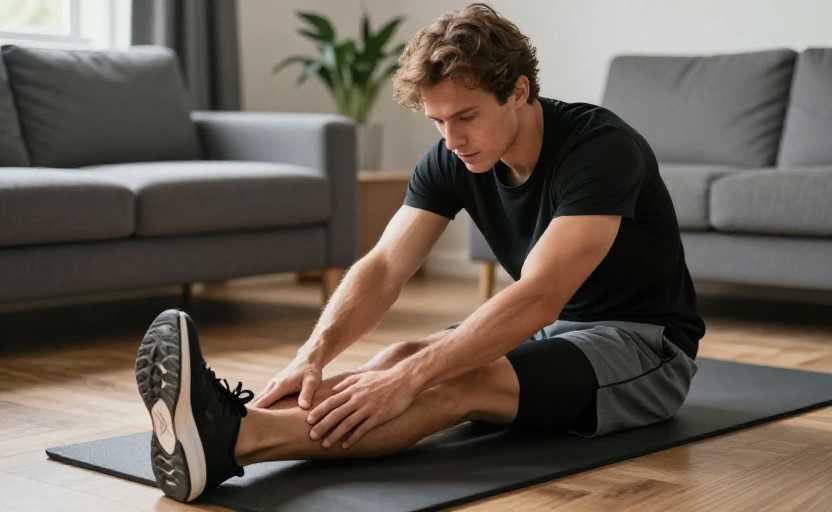
Get up action: Use the power of abdominal muscle contraction to lift your upper body upward until your shoulder blades lift off the ground, keeping your neck relaxed during the process.
falling action: Lower slowly and return to the starting position, being careful not to lie completely flat and keeping abdominal muscles tense.
Core tightening
significance: Tightening the core can ensure the stability of the movement, increase the participation of the abdominal muscles, and prevent other parts from compensating the force.
method: Throughout the sit-ups, imagine your belly button drawing in toward your spine, keeping the muscles in your abdomen, waist, and buttocks tense.
training frequency
Initial stage: When you first start training, do 2-3 groups of 10-15 reps 3-4 times a week to give your body time to adapt.
adaptation stage: As your body's adaptability increases, you can gradually increase the number of training times and sets, but be careful to avoid overtraining.
Diet coordination
Increase protein intake: Protein is an important nutrient for muscle repair and growth, so you can eat more of it egg , milk, chicken breast and other protein-rich foods.
Control carbohydrate and fat intake: Reduce the intake of high-calorie and high-fat foods, such as fried foods, desserts, etc., to ensure a balanced diet.
group training
Reasonable grouping: Divide the training volume into several groups and take appropriate rest between each group, which can improve training efficiency and avoid muscle fatigue.
Rest time between sets: Generally, rest between sets for 30-60 seconds. The specific time can be adjusted according to personal circumstances.
error correction
head force: Many people use their hands to pull their heads when doing sit-ups, which can easily lead to neck injuries. You should keep your neck naturally stretched.
Use waist strength: If the waist is exerted too much, it means that the abdominal muscles are not strong enough or the movements are irregular. Pay attention to tightening the core to allow the abdominal muscles to exert force.
breathing rhythm
Exhale as you stand up: During the process of standing up, exhale slowly to expel waste gas from the body, which will also help increase abdominal pressure and better exert force.
Breathe in as you fall: As you fall, inhale naturally to prepare yourself for the next rise.
training intensity
step by step: The training intensity should be gradually increased according to your physical condition. You can increase the intensity by increasing the number of each group, the number of groups, or shortening the rest time between groups.
avoid overtraining: Overtraining can lead to muscle fatigue, injury, and even affect the body’s recovery and healthy , the training intensity should be reasonably arranged.
Sports injury prevention
Warm up exercise: Before performing sit-ups training, perform 5-10 minutes of warm-up exercises, such as jogging, dynamic stretching, etc., to mobilize joints and improve muscle flexibility.
Correct action: Keep your movements standardized to avoid sports injuries caused by incorrect movements.
long-term persistence
form a habit: Incorporate sit-up training into your daily fitness plan and develop the habit of regular training to achieve good results.
Mentality adjustment: Fitness is a long-term process. Don't expect to see obvious results in the short term. Keep a positive attitude and stick to it.
Sit-ups can enhance abdominal muscle strength, improve body stability and coordination. Correct training methods can not only avoid sports injuries, but also allow you to see training results faster.
Disclaimer:
1. This article is sourced from the Internet. All content represents the author's personal views only and does not reflect the stance of this website. The author shall be solely responsible for the content.
2. Part of the content on this website is compiled from the Internet. This website shall not be liable for any civil disputes, administrative penalties, or other losses arising from improper reprinting or citation.
3. If there is any infringing content or inappropriate material, please contact us to remove it immediately. Contact us at: