Hypothyroidism dietary taboos
There are no foods that must be completely banned for hypothyroidism. The list of foods posted on the Internet that "will aggravate the condition if touched" are basically selling anxiety. There are only three types of foods that need to be controlled and the intake needs to be controlled. These are completely different from person to person, and there is no one-size-fits-all universal taboo.
Last week, a girl who had just been diagnosed with Hashimoto’s hypothyroidism came to me and said that she had thrown away all the broccoli, baby cabbage, and radish at home after reading some popular science on the Internet. She didn’t even dare to order vegetables for hot pot. After being hungry for half a month, her thyroid stimulating hormone went up by two units when she was checked again. She felt extremely aggrieved. In fact, this is a typical misguided "taboo". The controversy about whether cruciferous vegetables can be eaten does exist: the traditional view is that the thiocyanate in these foods will compete for the iodine absorption site of the thyroid gland, which may aggravate the problem of insufficient thyroid hormone synthesis. However, in recent years, domestic The field of external nutrition has reached a consensus - only if you eat more than 1 kilogram of unprocessed cruciferous vegetables raw every day can the concentration of thiocyanate in the body reach a level that affects thyroid function. Most of the thiocyanate you usually eat in stir-fried, boiled, or hotpot dishes has been decomposed by high temperatures and will not have any impact at all. Of course, if your hypothyroidism itself is caused by iodine deficiency, then don’t eat raw broccoli salad every day as a fat-reducing meal. If it is Hashimoto’s hypothyroidism caused by excessive iodine, then this impact can be completely ignored, and there is no burden at all on eating vegetables normally.
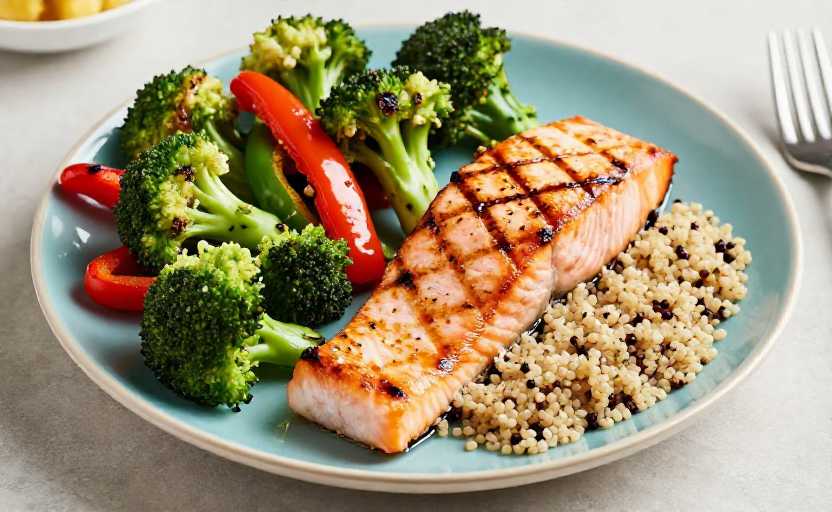
However, many people ignore the heavy-flavored diet, which has a much greater impact on hypothyroidism than cruciferous food. Think about it, the basal metabolic rate of patients with hypothyroidism is 10% to 20% lower than that of ordinary people, and they are prone to problems such as elevated blood lipids, lower limb edema, and weight gain. If they eat braised pork elbows, braised meat, and milk tea with half a cup of sugar, wouldn't it just add to the slow metabolism? I once met a 32-year-old hypothyroid patient whose blood lipids were higher than that of her 60-year-old father. When asked, she ate the braised noodles downstairs every day for lunch and a pack of braised duck wings as a supper at night. Later, she was asked to control her daily salt intake to less than 5g and avoid fried and braised dishes. Oh, by the way, you should also eat less salty snacks, such as candied fruits and potato chips. They may not look salty but actually contain a lot of sodium. If you eat too much, the swelling will become more severe. When you wake up in the morning, your face will be swollen like a steamed bun. Many friends with hypothyroidism must have experienced this.
As for the most entangled question of whether you can eat iodine, there is no standard answer. It all depends on the reason why you have hypothyroidism: if you have goiter and hypothyroidism caused by endemic iodine deficiency, you should not only avoid iodine, but also eat more kelp and seaweed, and use iodized salt normally.; But if you have hypothyroidism caused by Hashimoto's thyroiditis, the current mainstream advice is to limit iodine appropriately. Either not to eat it at all, or not to eat high-iodine foods such as kelp and wakame every day. It is perfectly fine to use iodized salt normally. ; If you have hypothyroidism caused by iodine 131 treatment or total thyroidectomy, the amount of iodine intake will not affect your thyroid function at all. After all, you have no or almost no thyroid tissue. If you want to eat seafood, you can eat it without any psychological burden. I have come into contact with too many patients who underwent total resection. I was so frightened by the online "You should avoid iodine for hypothyroidism" that I didn't even dare to touch seafood. Within a year, I developed iodine deficiency anemia. It was completely unnecessary.
Many people also ask whether soy products can be eaten. In fact, it is not a taboo. However, if you take Euthyrox on an empty stomach in the morning, don’t drink a large glass of iced soy milk right after eating. The ingredients of Euthyrox will combine with protein and affect absorption. It is perfectly fine to drink soy milk and eat tofu normally at intervals of more than 4 hours. There is no need to blacklist soy products.
To put it bluntly, the dietary management of hypothyroidism is never about subtraction, it is not about putting this and that on the fasting list. Worrying about eating every day is not conducive to the stability of thyroid function. If you are really unsure about what you can and cannot eat, take your thyroid function report to your attending doctor and ask a few questions. It is much more reliable than the general contraindications found online. After all, only the doctor who has been following you for a long time knows best about your physical condition.
Disclaimer:
1. This article is sourced from the Internet. All content represents the author's personal views only and does not reflect the stance of this website. The author shall be solely responsible for the content.
2. Part of the content on this website is compiled from the Internet. This website shall not be liable for any civil disputes, administrative penalties, or other losses arising from improper reprinting or citation.
3. If there is any infringing content or inappropriate material, please contact us to remove it immediately. Contact us at: