
Diet taboo list for pregnant women
All foods/drinks containing alcohol, incompletely cooked fresh food, foods that are known to cause allergies, high-risk marine fish** with excessive mercury content, and other so-called "cold/sliding/teratogenic" foods are mostly individual differences or rumors, and do not need to be banned across the board.
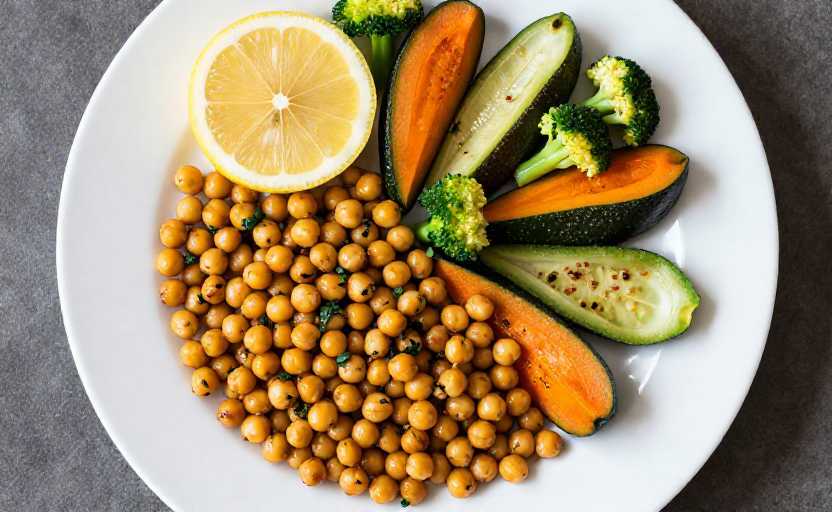
A while ago, I accompanied my cousin, who was just pregnant with her first child, to a prenatal check-up. She carried a "taboo list" handwritten by her grandmother in her bag, including watermelon, grapefruit, crab, and beef. She said that eating it would cause "fetal gas". However, the obstetrician said: You are so sick from morning sickness that you can't even eat. Eat whatever you can, and don't do anything without these. This is really true. Many of the taboos that have been passed down for decades are essentially the accumulated experience of poor material conditions and insufficient food storage conditions in the past. They are no longer applicable now.
Take crabs and hawthorns, which are the most frequently asked questions. They are very controversial categories in themselves. The view of the traditional Chinese medicine school is that the fetus is not stable in the early stages of pregnancy, pregnant mothers with spleen and stomach deficiency, and a history of miscarriage are advised to eat less. After all, crabs are cold in nature, and hawthorn can promote the contraction of smooth muscles. Ingesting large amounts is indeed risky. ; However, the general consensus of Western medicine is that as long as you are not allergic to crabs and hawthorns, and the crabs are thoroughly steamed and cooked, and you eat 1-2 crabs at a time, or three to five fresh hawthorns, there will be no problem at all. I have a pregnant mother who was acidophilic in the early stages of pregnancy and ate a bunch of candied haws every day. The prenatal checkup was normal. The baby was born weighing more than eight pounds and was very strong. The key point is to look at the individual's physical constitution and intake. There is no need to beat her to death with a stick.
Let’s talk about the categories that must be strictly avoided. This is not alarmist. They all have clear medical basis.
First of all, let’s talk about alcohol. Don’t believe in the old sayings of “cooking chicken with rice wine to replenish the body” or “taking a sip of fruit wine will be fine”. Whether it’s white wine, red wine, beer or cooking wine (if you add too much and don’t cook it for enough time to evaporate), as long as alcohol enters the body, it may affect fetal neurodevelopment through the placenta, and in severe cases, it can lead to fetal alcohol syndrome. This is an absolute taboo recognized by the global medical community. It’s best not to touch even alcoholic fermented rice balls and wine-filled chocolate. There is really no need to take this risk.
Then there are undercooked foods, such as soft-boiled eggs, medium-rare steaks, sashimi, drunken shrimps and crabs, and refrigerated leftovers that have not been thoroughly heated. These may carry Listeria and Salmonella. Ordinary people with strong immunity may just have diarrhea after eating them. The immunity of pregnant women is much lower than that of ordinary people. Once the infection is mild, it may lead to vomiting, diarrhea and fever, and in severe cases, it may lead to miscarriage and premature delivery. I once met a 28-week-pregnant mother in the obstetrics corridor. She ate raw sweet shrimp from a Japanese restaurant and contracted norovirus and had a fever for 3 days. She was hospitalized for a week to ensure her pregnancy before she was discharged. She really couldn't afford to worry about eating one bite.
There are also high-risk marine fish with excessive mercury. Deep-sea predatory fish such as swordfish, tilefish, bigeye tuna, swordfish, etc. generally have much higher mercury content than ordinary marine fish. Long-term consumption will affect the development of the fetal nervous system. If you want to eat fish to supplement DHA, ordinary mackerel, sea bass, yellow croaker, and cooked salmon are safe options. Eat 2-3 times a week, 100-150g each time.
As for allergies, it's more individual. If you usually eat mangoes, peaches, and shrimps, you'll get itchy rashes. Don't be greedy and try them when you're pregnant. Don't try unpopular foods that you've never eaten before, such as strange tropical fruits or unseen niche seafood. After all, your immune system will change after pregnancy. Things that you are not allergic to during pregnancy may also cause allergies. If you are really allergic and you don't dare to take medicine casually, you will be the only one who feels uncomfortable.
There are also "semi-taboo" foods that many people struggle with, but actually there is no need to worry about them. For example, caffeine is not completely forbidden to drink. The current academic consensus is that it is fine if the daily caffeine intake does not exceed 200mg, which is about the amount of a medium cup of Americano or a small cup of latte. When I was pregnant with my eldest son, I was so pregnant that I vomited everything I drank. I could only swallow iced latte. I drank half a cup every day. The prenatal checkup gave me the green light. My baby is now two years old and bouncing around more happily than anyone else. Of course, if you have a history of premature birth, irregular heartbeat, or can't sleep and feel flustered after drinking coffee, then don't touch it. Individual needs will always come before general standards.
There are milk teas, cakes, spicy strips, pickled pickles, and they are not a scourge. For example, when you have a bad appetite, you just want to eat a bite of salted pickles with white porridge. It is perfectly fine to have one or two bites. Don’t just eat them every day. After all, these Food is high in sugar, salt and additives. Eating too much can lead to high blood sugar and high blood pressure, which is not good for you and your baby. It’s totally okay to satisfy your craving once in a while. Don’t be so anxious that you can’t sleep just because you took a bite of spicy strips. On the contrary, the impact of eating spicy strips is greater than eating the spicy strips themselves.
By the way, here are some rumors that are widely spread: eating rabbit meat will cause harelips, eating mutton will cause epilepsy, and eating beef will cause babies to have dark skin. These are all nonsense without any scientific basis. Hare lip is caused by genes and external environmental influences during pregnancy. It has nothing to do with eating rabbit meat. Beef contains high iron. Eating more during pregnancy can supplement iron and prevent anemia. It is more effective than any IQ tax supplement.
To be honest, pregnancy is not like going to jail. You don’t have to check every food with a taboo list every day to see if it can be eaten. As long as you avoid those categories that are definitely risky, and the rest, as long as you feel comfortable eating and don’t overdo it, you will be happy as long as you are in a good mood, which is better for your baby than taking any supplements.
Disclaimer:
1. This article is sourced from the Internet. All content represents the author's personal views only and does not reflect the stance of this website. The author shall be solely responsible for the content.
2. Part of the content on this website is compiled from the Internet. This website shall not be liable for any civil disputes, administrative penalties, or other losses arising from improper reprinting or citation.
3. If there is any infringing content or inappropriate material, please contact us to remove it immediately. Contact us at: