
Diet taboos for babies with eczema
There are only two types of food taboos that should be avoided. One is that the child eats allergic foods that will aggravate eczema, and the other is irritating foods that are high in sugar and high histamine during the attack. The biggest pitfall is the unified list of "avoid eggs, milk, and seafood" posted on the Internet. Blindly applying one-size-fits-all will make the child's nutrition unable to keep up and slow down the recovery of eczema.
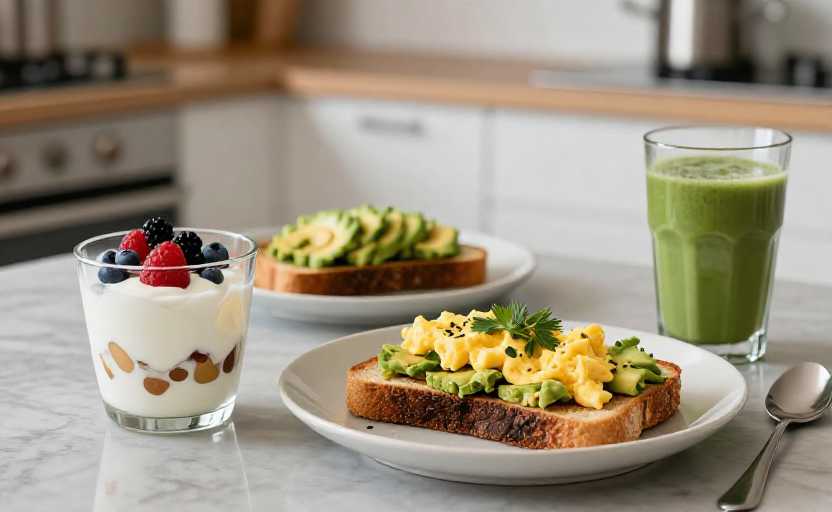
To be honest, I have stepped into this trap before. When my baby developed eczema for the first time in 6 months, my mother stopped me from feeding her eggs. She even refused to allow me to drink milk or eat shrimp while breastfeeding. After almost a month of abstinence, my baby’s eczema did not improve, and she lost 2 taels on the childcare scale. Later, I checked for allergens and found that my baby was not allergic to milk or eggs at all, but was allergic to dust mites on my sofa cover. I changed the sofa cover and applied moisturizing cream every day, but the food disappeared within a week.
Speaking of this, some people may say that the older generation said that people with eczema should avoid "hair products". This is not completely unreasonable. According to traditional Chinese medicine theory, it is indeed recommended to reduce the intake of fishy, pungent, warm, and hot foods during an eczema attack to avoid aggravating dampness and heat in the body. ; However, the general view of modern pediatricians and allergists is that as long as there is no clear evidence of allergy, there is no need for routine dietary taboos. After all, so-called "hair products" such as eggs, milk, and seafood are precisely the sources of high-quality protein necessary for the growth and development of babies. Iron and zinc deficiency and malnutrition caused by long-term taboos will destroy the repair ability of the skin barrier and make eczema more likely to recur. These two views are actually not contradictory. The core is still to be "individualized" and don't apply universal standards to your own children.
How to find the food your baby is allergic to? Don't rely solely on allergen testing, as there are false positives and false negatives. The most reliable thing is to keep a food diary. For example, observe for 3-7 days after each new food is added. If the eczema worsens significantly, the baby scratches more, or even vomiting and diarrhea occur, stop for 3 months and try again. My best friend’s baby kept a diary for half a month, and found out that her eczema worsened every time she ate gluten-containing noodles. She had always mistakenly thought it was a shrimp problem, and she gave up shrimp for three months in vain. The baby drooled when she wanted to eat shrimp. It’s funny to think about it now.
Even if you are not allergic to some foods, you should try to give them to your baby as little as possible during an eczema attack, such as soluble beans, cakes, and preserves with a bunch of sugar added. High sugar will aggravate the body's inflammatory response. Eczema that is supposed to be cured in three days may not go away in a week. Last time I took my baby to the dermatology department for a follow-up visit. There was a baby in front of me who had eczema. My grandma felt sorry for her and bought her a pair of Skittles. The rash recurred all over her face the next day, and she was scolded by the doctor. There are also high-histamine foods such as chilled seafood, fermented cheese, and underripe bananas that have been stored for too long. Eating these foods can easily aggravate the itchiness of the skin. Children can’t help scratching, and if they break, they can easily become infected, creating a vicious cycle.
Don’t believe the rumors that “babies with eczema cannot eat egg yolks” or “can’t eat beef and mutton”. There used to be a grandma in my community whose grandson had eczema and wouldn’t even let her eat tofu, saying that soybeans were hair growth. In fact, as long as the baby has no reaction after eating it, the lecithin in the egg yolk and the iron and zinc in the red meat can actually help repair the skin barrier, which is much more effective than drinking white porridge every day.
By the way, don’t blame eczema solely on diet. In fact, food factors only account for about 20% of the causes of eczema. Most of the time, eczema recurs due to insufficient moisturizing and contact with contact allergens such as dust mite pollen. Don’t stare at your baby’s job every day. First, check whether you have applied moisturizing cream to your baby more than twice a day, and whether the bed sheets and quilts at home have been cleaned of mites every week. Once these are done, they are more useful than any taboos.
In fact, there is really no need to be too nervous about raising a baby with eczema. I have seen too many parents make a page-long list of taboos. If the baby eats a meal, it will be like a thief. On the contrary, adults are worried that the baby also lacks nutrition. Observe more and record more, and you can find the rules of your own baby. After all, every baby's body is different, and the taboos that suit other people's families may not be suitable for your baby.
Disclaimer:
1. This article is sourced from the Internet. All content represents the author's personal views only and does not reflect the stance of this website. The author shall be solely responsible for the content.
2. Part of the content on this website is compiled from the Internet. This website shall not be liable for any civil disputes, administrative penalties, or other losses arising from improper reprinting or citation.
3. If there is any infringing content or inappropriate material, please contact us to remove it immediately. Contact us at: