
Diet taboos for high blood pressure
The total daily salt intake should not exceed 5g. Do not indulge in heavy foods that are high in oil, sugar and purine for a long time. Do not believe in folk supplements that are said to be able to 'radically reduce blood pressure'. The remaining "can't eat" things vary from person to person, and there is no unified answer. ”
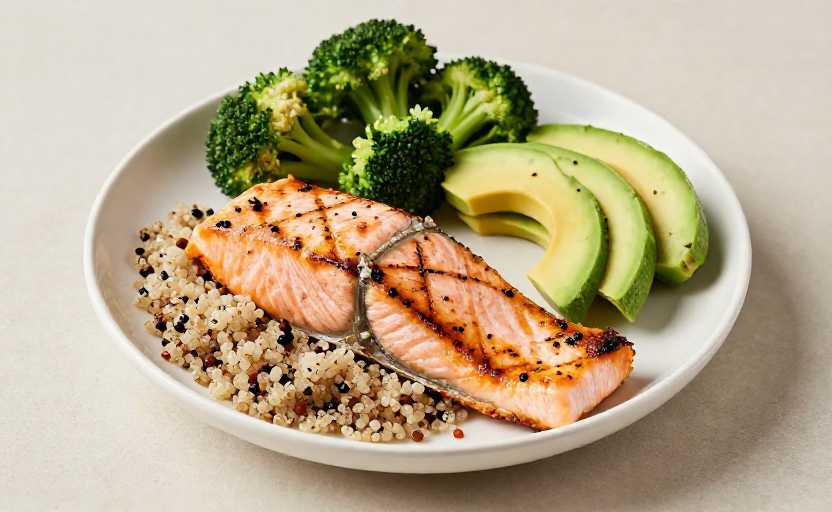
First, let’s talk about the salt pitfall that everyone is most likely to step into. Uncle Zhang from my neighborhood complained to me before, saying that he rarely adds salt to his cooking. Why can’t his blood pressure be stable? After forcing him to make a meal list for three days, he discovered that the pickled radish he ate with porridge every morning was high in salt, the ham sausage lunch box he brought for lunch contained hidden sodium, and he added two spoons of oyster sauce to the cooking at night. Calculated, the salt he ate in a day was almost 15g, more than twice the recommended amount - oh, by the way, 5g of salt is the amount of salt that can be smoothed by an ordinary beer cap. You can weigh it yourself to see if it is enough. Here we must mention different opinions among academic circles: one group advocates that all hypertensive patients should strictly control salt within 3g, while the other group believes that it depends on the situation: for young and middle-aged people with normal kidney function and who usually exercise and sweat a lot, it is perfectly fine to control it to 4-6g. On the contrary, excessive salt restriction may lead to hyponatremia, fatigue, and dizziness. ; However, if you are a patient with kidney function damage or salt-sensitive hypertension, you need to strictly limit it to 3g or even lower. There is no absolute right or wrong, it all depends on the individual's physical condition. By the way, don’t think that less salt means less salt in cooking. The invisible salt in processed foods is the hardest hit, such as potato chips, instant noodles, preserved products, and even whole-wheat bread and sports drinks that everyone thinks are healthy. There is a lot of sodium added. When buying, turn over and look at the nutritional label. If the sodium content exceeds 30% NRV, try to take as little as possible.
Speaking of which, I have to mention the saying that many elders believe that "drinking a small amount softens blood vessels and lowers blood pressure." My dad had quarreled with my mother several times over this matter. This is indeed still controversial in the academic community: early studies believe that a small amount of resveratrol in red wine can indeed improve blood vessel elasticity and have an auxiliary effect on lowering blood pressure. ; However, new evidence-based medical evidence in the past two years has shown that even a small amount of alcohol can increase the risk of cardiovascular disease, and there is no safe amount that is "healthy". The current consensus among clinicians is “quit if you can, and drink less if you can’t”: don’t drink more than 1 tael of white wine at a time, don’t drink more than half a cup of red wine, a small can of beer at most, and don’t drink more than 2 times a week. It’s best to measure your blood pressure on the same day after drinking. If it fluctuates too much, just don’t touch it.
There is another misunderstanding I must say. My aunt was diagnosed with high blood pressure last year. She was so scared that she did not dare to eat a bite of meat. She ate stir-fried cabbage with rice. However, after three months, her blood pressure did not drop much. Instead, she was diagnosed with iron deficiency anemia. In fact, there is really no need to be so extreme. The current mainstream DASH diet encourages patients with hypertension to eat more high-quality protein such as skinless poultry and deep-sea fish, which is beneficial to blood vessel repair. ; Of course, some supporters of the vegan diet believe that the blood pressure-lowering effect of the vegan diet is more obvious, but the prerequisite is to have a good intake of soy products and whole grains to avoid nutritional gaps. Both methods have been proven to be effective. Just choose the one that suits your eating habits. Don't force yourself to eat things you don't like. Oh, by the way, young people should not take it seriously. There are not a few people in their 20s who suffer from high blood pressure. Many people eat full-sugar milk tea and fried chicken burgers every day. Eating too much high-sugar and high-fat foods will gain weight and cause insulin resistance. Blood pressure will naturally rise. Don’t think that eating salty food will raise blood pressure.
As for the amazing folk recipes such as peanuts soaked in vinegar and raw celery juice that were circulated on the Internet, my dad also followed the trend and drank raw celery juice for less than half a month, which caused acid reflux every day. Later, the doctor said that these foods do have a certain auxiliary effect in controlling blood pressure, but only if you control the amount of salt and oil. If you eat braised pork with pickles every day, even drinking three liters of celery juice a day will be useless. People with poor stomachs can easily irritate the gastric mucosa, which is not worth the gain. What you need to be even more careful about are those health products and antihypertensive teas that claim to "lower blood pressure without taking medicine." Many of them secretly add cheap antihypertensive drug ingredients. After drinking them, blood pressure will drop quickly, but large fluctuations can easily lead to myocardial infarction and cerebral infarction. Don't buy them indiscriminately.
In fact, the biggest feeling that I have been having with my dad for regulating blood pressure for more than half a year is that the dietary taboos for high blood pressure really don’t have as many restrictions as listed on the Internet. I don’t dare to eat this or touch that if I don’t need it. Occasionally, having a hot pot or a bite of cake at a dinner party with friends won’t be a big problem at all. The key is to maintain long-term habits. Everyone's physique is different. If your blood pressure rises significantly after eating something, just eat less next time. What suits you is the best.
Disclaimer:
1. This article is sourced from the Internet. All content represents the author's personal views only and does not reflect the stance of this website. The author shall be solely responsible for the content.
2. Part of the content on this website is compiled from the Internet. This website shall not be liable for any civil disputes, administrative penalties, or other losses arising from improper reprinting or citation.
3. If there is any infringing content or inappropriate material, please contact us to remove it immediately. Contact us at: