
Diet taboos for children with asthma
The first is to absolutely avoid foods that are known to cause allergies in children.; The second is to try to avoid foods that are highly allergenic, highly irritating, and contain a lot of additives. Other foods can be eaten normally according to the child's tolerance. There is no need to blindly "stop eating" foods and "avoid raw and cold foods."
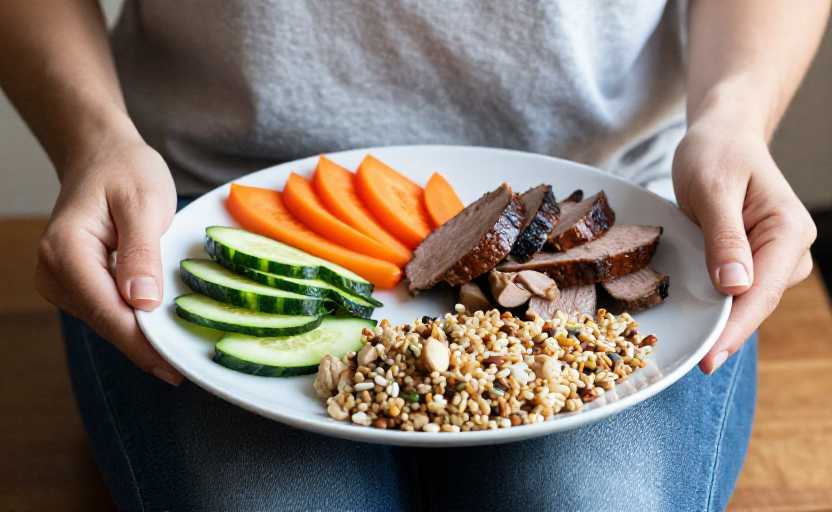
To be honest, when I was a follow-up volunteer in the pediatric respiratory department in the past two years, I saw too many parents stepping into this trap. What impressed me the most was the mother of a 3-year-old boy. She heard an elder in the community tell her that he should not touch eggs and milk because of asthma, so she was forced to avoid eating eggs and milk for half a year. During the physical examination, he was 2 centimeters shorter and 3 pounds lighter than other children of the same age. After the final allergen test, it was found that the baby was not allergic to eggs and milk. This meant that he had been starved for more than half a year, and his growth and development had been delayed.
Speaking of this, some people must ask, is there any truth in the saying passed down by the older generations that "asthma should not be exposed to cold weather"? In fact, there are indeed differences in opinions in different fields. Traditional Chinese medicine believes that raw and cold food can damage lung qi and induce airway spasm. Especially for children with weak spleen and stomach, eating ice may cause irritating coughs and further induce asthma. This statement is indeed supported by many clinical cases. ; But the view of modern Western medicine is that as long as the child is not intolerant to low-temperature foods, for example, it is okay to drink room-temperature yogurt, and there is no cough or chest tightness when he occasionally eats a small popsicle in summer, there is no need to completely ban it. I have a 7-year-old asthmatic kid next to me who is very well controlled. He can still eat ice cream once a week in the summer and has never gotten sick because of it.
What all children with asthma really need to be careful about are actually the three types of food. It doesn’t mean that you will definitely get sick if you eat them, but the probability of getting sick is much higher than with ordinary food. The first category is highly allergenic foods that have not been verified as allergens, such as shelled seafood, mangoes, pineapples, unprocessed nuts, and some children are allergic to peach hairs and kiwi fruits. When giving these foods to your baby for the first time, you must try a small amount and observe for 24 hours if there is no problem before adding them as normal. Do not eat a large plate at once. I once met a 5-year-old child who ate half of a mango for the first time. That night he was so out of breath that he couldn't lie flat. He had to go to the emergency room for oxygen to recover. Later, it was found that he was allergic to mangoes, and he has never touched it again since then.
Oh, by the way, there are also risks of processed foods that many parents tend to ignore, such as candied fruits, pickled foods, pre-packaged braised food, and particularly brightly colored drinks and candies sold outside. Many of these are added with sulfites, artificial colors, and flavors. These foods may irritate the respiratory tract even for ordinary children, let alone asthmatic children whose airways are highly reactive. I once had a child who ate salt-baked cashews bought in the supermarket. He was not allergic to cashews, but he became asthmatic that day. After checking the ingredient list, I found out that the cashews had sulfites added as a color-protecting agent. This was the cause. In addition, try to avoid foods with strong flavors that are particularly spicy, salty or sweet, such as spicy hot pot, salty pickles, and greasy-sweet vegetable cream cakes. They can either irritate the throat and cause coughing, or produce phlegm, which can easily induce asthma attacks. Especially when the baby is getting sick, it is best to stop eating these foods first.
The biggest concern for many parents is whether they can eat "fat foods", such as fish, shrimp, beef and mutton. In fact, this really varies from person to person. What the folks call "fat" is actually a collective name for foods that are likely to induce allergies and disease attacks in ancient times when there was no allergen testing. It has a certain reference value, but it absolutely cannot be applied directly to all children. If the baby has been tested for allergens and is not allergic to these things, he will have no reaction after eating them and can eat them normally. On the contrary, these high-quality proteins can help the baby strengthen his resistance and reduce the number of colds, which is beneficial to controlling asthma. I met a child before who was not allowed to eat anything by his parents. As a result, the child could not keep up with his nutrition. He caught colds all the time and wheezed when he caught a cold. In fact, he had attacks much more frequently than those children who normally eat fish and shrimp.
If you are really not sure what your child is allergic to, don't just rely on the list on the Internet. Just keep a food diary for your child. Write down every new thing he eats, and then observe whether there is any cough, wheezing, rash, or diarrhea within 24 hours, such as If you have a similar reaction after eating the same food three times in a row, you can basically determine that it is a taboo food for your baby and just avoid it in the future. This method is more accurate than allergen testing. After all, allergen testing can only detect dozens of common allergens, and there are many rare allergens that cannot be detected.
In fact, you don’t have to be frightened to raise an asthmatic child. Many of the children I followed up had well-controlled asthma when they were young, and their airway sensitivity has decreased as they grow up. Foods that they couldn’t eat when they were young can be eaten normally when they grow up. The key is to find the minefield that is exclusive to your child, rather than following other people’s lists. After all, every child’s physique is different. Oh, by the way, don’t believe the claim that asthma can be cured by taking a certain folk remedy without any dietary restrictions. Two years ago, a parent gave his child a snake gall remedy. As a result, the child was allergic and went to the emergency room.
Disclaimer:
1. This article is sourced from the Internet. All content represents the author's personal views only and does not reflect the stance of this website. The author shall be solely responsible for the content.
2. Part of the content on this website is compiled from the Internet. This website shall not be liable for any civil disputes, administrative penalties, or other losses arising from improper reprinting or citation.
3. If there is any infringing content or inappropriate material, please contact us to remove it immediately. Contact us at: