
Diet taboos for patients with encephalitis
The first is foods high in salt, high oil, high sugar, and spicy and irritating foods; the second is foreign protein foods that may cause allergies after consumption in the past; and the third is foods that are hard in texture, too hot, or have fine particles that may cause choking. In addition, there is currently no unified conclusion on the controversy over "whether hair should be avoided or not". You can make adjustments according to your own situation and follow the doctor's advice.
When I was following up in the Department of Neurology a few years ago, I met an aunt in her 50s who had viral encephalitis. After two weeks of treatment, she regained consciousness and could slowly sit up. Her indicators were getting better day by day. However, she suddenly had a headache, felt nauseous, even vomited her saliva, and her blood pressure was much higher than before. After asking the doctor in charge, he found out that her family members were distressed that she had lost six or seven pounds in the hospital. Every day, old hens were stewed at home, and a lot of salt was added to avoid it being tasteless. Although the oil was skimmed off, the invisible salt in the soup, as well as the sugar from the red dates and longan added to the stewed chicken, had long exceeded the standard. Water and sodium retention would aggravate intracranial edema, which would cause problems.
It’s not that you can’t eat well at all, but most patients in the acute stage of encephalitis have problems with high intracranial pressure. If they eat too much salt, water will be retained in the body, and intracranial edema will not go away. Symptoms such as headaches and vomiting are easy to recur. High sugar is an invisible killer, especially for patients with diabetes. When blood sugar is high, inflammation will not only go away slowly, but also easily lead to other infections, slowing down the recovery process. Not to mention irritating foods such as spicy hot pot and heavy-flavored braised foods. On the one hand, they irritate the gastrointestinal tract and can cause diarrhea. On the other hand, they can easily cause coughing. For patients who may not be able to swallow well in the first place, they are simply causing trouble.
What is more dangerous than heavy eating is actually the risk of choking that many family members do not take seriously. Encephalitis is an inflammation of the central nervous system, which can easily affect the nerves that control swallowing. When many patients first recover, they tend to choke when drinking water. However, most family members think this is due to illness and do not take it seriously. Last year I met a 20-year-old boy with Japanese encephalitis, who recovered enough to be able to walk by holding on to the wall. His mother secretly brought his favorite braised beef, cut it into small pieces and gave it to him, but he choked after chewing it twice. His face turned red from holding it in, and he coughed it out. Some of the pieces of meat fell into his lungs, causing aspiration pneumonia. He was supposed to be discharged from the hospital in another week, but he stayed in the hospital for more than ten days and suffered a lot. Therefore, you must pay attention to hard nuts, large pieces of meat, freshly cooked porridge, and even finely ground rice residue in undercooked millet porridge. If the doctor has assessed that the swallowing function is not good, either beat the food into a paste before eating, or choose soft, warm food. Don’t take the risk of a delicious bite.
As for the question that everyone asks the most, "Should we avoid giving birth to things?" To be honest, there is still no unified conclusion on this issue. There is no concept of "hair protein" in Western medicine. Seafood, beef and mutton are all high-quality proteins. As long as you are not allergic to them before, consuming them can help repair nerves and improve immunity, which is good for recovery. ; However, many schools of traditional Chinese medicine do believe that the acute stage of encephalitis is a stage in which heat and toxins are raging. Eating fishy food will aggravate the heat and toxins and is not conducive to the resolution of inflammation. My usual advice to family members is: don’t accept the same thing. If you are prone to allergic reactions and rashes when eating shrimps, beef and mutton, then definitely don’t touch them. ; If you were fine after eating it before, then wait until your body temperature stabilizes and the inflammation indicators drop. Try eating a small amount for one or two mouthfuls. If you feel no discomfort, just eat normally. There is no need to completely avoid the food. It will lack nutrients and the gain will not be worth the candle.
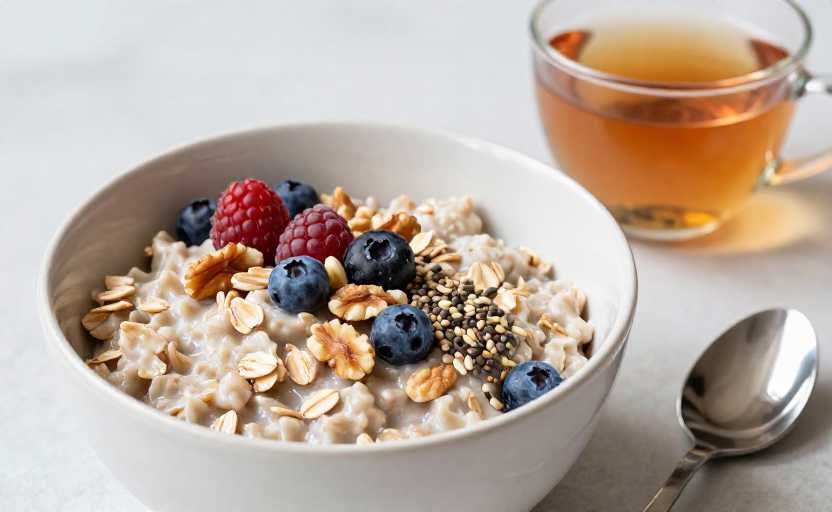
Another common pitfall is that the patient always feels that he is weak and needs a lot of supplements. I have seen many family members come to the ward carrying ginseng, donkey-hide gelatin, and Ganoderma spore powder, hoping that the patient can make up for the meat lost due to illness in one day. There is really no need. The gastrointestinal function of patients in the acute stage of encephalitis is already weak. The metabolic burden of these large supplements is particularly heavy, especially for patients who are still having fever. Taking them can easily prevent the body temperature from lowering, which is not helpful. If you really want to supplement your nutrition, steam a soft egg custard or boil some white porridge with minced lean pork. It is more effective than any sky-high price supplement.
In fact, after all, there are not so many mysterious taboos in the diet of patients with encephalitis. The core is not to burden the body and put no risks in recovery. If you are unsure about anything, ask the doctor or nurse in charge of the bed more than the folk remedies you spend half a day looking up through short videos. After all, everyone’s condition and constitution are different, and what works for others may not be suitable for your patient.
Disclaimer:
1. This article is sourced from the Internet. All content represents the author's personal views only and does not reflect the stance of this website. The author shall be solely responsible for the content.
2. Part of the content on this website is compiled from the Internet. This website shall not be liable for any civil disputes, administrative penalties, or other losses arising from improper reprinting or citation.
3. If there is any infringing content or inappropriate material, please contact us to remove it immediately. Contact us at: