
Kidney transplant dietary taboos
The first is to absolutely avoid foods/health products that are clearly known to interfere with the metabolism of immunosuppressants. The second is to control the high-oil, high-sugar, high-purine and high-sodium diets that can increase metabolic burden and induce kidney transplant damage in the long term. The third is to avoid unclean, raw and cold foods that can easily induce infection. There is no need to overly restrict other foods. Ensuring a balanced nutrition is more conducive to long-term survival.
Let’s first talk about the hard red line that should not be touched - things that affect the efficacy of immunosuppressive drugs. This is also an absolute taboo required by all transplant centers. The most typical one is grapefruit (also called grapefruit). Whether you eat it directly, drink grapefruit juice, or eat gummies containing grapefruit ingredients, even if you only have one bite, the furanocoumarins in it will strongly inhibit the activity of the liver metabolic enzyme CYP3A4, causing the blood concentration of immunosuppressants such as tacrolimus and cyclosporine to increase by 2-10 times. In mild cases, tremors and kidney function damage may occur, and in severe cases, direct poisoning. However, regarding whether citrus fruits should be tabooed, different transplant centers do have different opinions: Many centers in the South believe that the furanocoumarins content in ordinary pomelo, orange, and mandarin oranges is very low. As long as you do not eat three to four kilograms at a time, it is perfectly fine to eat one or two a day. ; Some conservative centers in the north will recommend that you try to avoid all citrus fruits in the first half year after surgery when the blood drug concentration has not stabilized, and then try a small amount when the indicators stabilize. Both opinions are supported by clinical data. You can just follow the instructions of the doctor in charge of your follow-up visit. In addition, it should be noted that antidepressant health products containing St. John's wort, Chinese patent medicines containing Schisandra chinensis, and alcohol will also interfere with the metabolism of immunosuppressants. Try not to touch them if possible.
After passing the hard red line, the remaining taboos are actually to "reduce the burden" on the new kidney. I once met a young man who had undergone surgery for 3 years. He felt that his recovery was no different from that of a normal person. He went out with friends every night to eat skewers and drink iced Coke. During the six-month review, he found out that he had high blood lipids, urinary protein 1+, and his creatinine had increased by 28 μmol/L. He was so scared that he stopped eating late at night. After kidney transplantation, people who take hormones and immunosuppressants for a long time are more likely than ordinary people to suffer from metabolic diseases such as hyperlipidemia, high uric acid, diabetes, and hypertension. Each of these will slowly reduce the lifespan of the transplanted kidney. Therefore, high-sodium pickles, sauced meats, heavy takeaways, high-purine animal offal, rich broth, high-sugar milk tea, cream cakes, fruity sodas, and high-fat fatty meats and fried foods should be avoided as much as possible. There is also a controversy that everyone has been arguing about for many years: can soy products be eaten? The old concept in the past was that plant protein metabolizes a lot of waste and will increase the burden on the kidneys, requiring a complete ban on soy products. ; However, recent clinical studies in the past five or six years have confirmed that as long as you do not have positive urine protein or abnormal kidney function, drinking a cup of soy milk and eating about 100g of tofu every day is healthier than eating too much red meat, and has no negative impact on kidney function. Only patients who have leaked protein in the urine need to strictly limit the intake of plant protein, giving priority to high-quality animal proteins such as eggs, milk, and fish.
There is another taboo that many new patients tend to overlook, which is to prevent infection. After all, if you take immunosuppressants for a long time after surgery, your immunity is only 60 to 70% of that of ordinary people. The cost of infection caused by eating a bad stomach is much higher than that of ordinary people. It can range from vomiting and diarrhea to disrupting blood drug concentration, or in severe cases, it can induce rejection. Last year, I met a little girl who was just one month after surgery. She secretly ate raw pickled shrimp from a roadside stall. Her fever reached 39 degrees that night. She was hospitalized for acute gastroenteritis for a week. Her blood drug concentration fluctuated high and low. It took half a month to return to the normal range. Regarding whether you can eat raw or cold food, different doctors have different requirements: Conservative doctors will recommend that you avoid raw or semi-raw food for the rest of your life after surgery, and completely avoid sashimi, soft-boiled eggs, and unpasteurized freshly squeezed juices. ; Some doctors also believe that it is not impossible for patients who have been more than 2 years after surgery, have stable blood drug concentrations, and have normal immunity to occasionally go to a regular high-end Japanese restaurant to eat sashimi. The premise is to ensure that the ingredients are absolutely fresh. If you have abdominal pain, diarrhea, or fever after eating, seek medical attention immediately, and do not force yourself to do it. Another thing to note is that you must not eat moldy food even if you cut off the moldy parts. Try not to touch berries such as strawberries and blueberries that have not been washed. Pathogens can easily hide in the folds.
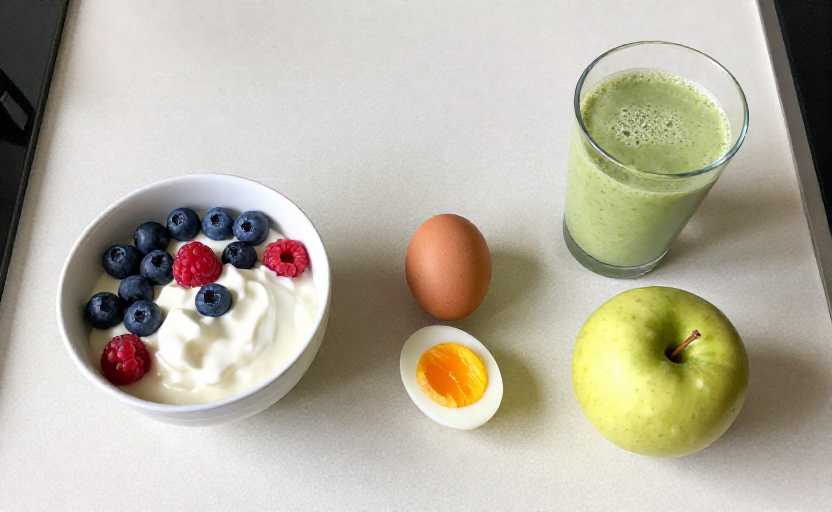
I have seen too many patients who were just after surgery who were overly anxious and dared not eat or touch anything. They drank white porridge with vegetables every day. As a result, they lost more than ten kilograms in three months. They were malnourished and had poor immunity. They caught colds every three days and their indicators were not stable. In fact, it is really not necessary. As long as you stick to the three red lines mentioned above, try to eat as rich a diet as possible. You can eat any vegetables, fruits, lean meats, fish and shrimps. As long as you control the amount, keeping up with nutrition is the basis for long-term survival.
To put it bluntly, the diet after kidney transplantation is not as demanding as everyone thinks, and there is no unified "standard answer". After all, everyone's kidney function, underlying diseases, and immunosuppressant regimens are different. Follow the instructions of your doctor in charge, pay more attention to your reaction after eating, and regularly review blood drug concentrations and kidney function. It is much better than not daring to eat anything based on the taboo list on the Internet. Occasionally, if you are craving for a small cake or two pieces of an orange, you don’t need to scare yourself so much that you can’t sleep. After all, a good mood is important for recovery.
Disclaimer:
1. This article is sourced from the Internet. All content represents the author's personal views only and does not reflect the stance of this website. The author shall be solely responsible for the content.
2. Part of the content on this website is compiled from the Internet. This website shall not be liable for any civil disputes, administrative penalties, or other losses arising from improper reprinting or citation.
3. If there is any infringing content or inappropriate material, please contact us to remove it immediately. Contact us at: