
Diet taboos for hypothyroidism
Do not eat large amounts of raw cruciferous vegetables that cause goiter for a long time, do not blindly supplement iodine or completely avoid iodine, and do not eat a high-fat and high-cholesterol diet for a long time. The other taboos are all different from person to person, and there is no unified standard at all.
The first pitfall that many people fall into is hearing someone say, "You can't eat broccoli, cabbage, and radishes if you have hypothyroidism." They are so scared that they dare not touch cruciferous vegetables for half a year. Last time I met a little girl in the outpatient department, she avoided cruciferous vegetables for three months. During the physical examination, she was missing a lot of vitamin C and dietary fiber. The doctors laughed at her for blindly restricting food. In fact, glucosinolates in the cruciferous family can only be decomposed into thiocyanates that are sufficient to affect the iodine uptake of the thyroid gland when eaten raw and in two or three kilograms at a time. As long as they are cooked and eaten, these substances will have been destroyed by high temperatures and will have no effect at all. Nowadays, there are different clinical tendencies on this issue: some doctors believe that as long as you do not suffer from iodine deficiency, it is perfectly fine to eat cooked cruciferous vegetables normally, and even encourage eating more dietary fiber. ; Some doctors will also recommend that patients whose thyroid function has not yet stabilized and are in areas with high iodine should drink less concentrated raw and cold vegetable juices such as raw kale juice and cabbage juice to avoid excessive short-term intake that aggravates the burden on the thyroid. Both opinions are reasonable, and you can choose based on your own situation.
What is more controversial than Cruciferae is actually the issue of iodine intake, which is also the most frequently asked question by patients in clinical practice. Don’t make a blanket decision. I met an aunt in her 60s before who was diagnosed with hypothyroidism caused by Hashimoto’s thyroiditis. I heard from my neighbor that hypothyroidism requires iodine supplementation. She drank wakame soup every day. After three months, the antibody tripled in the retest and her neck was swollen. Let’s break down the situation here: If it is endemic iodine deficiency, total thyroid surgery, or hypothyroidism caused by iodine 131 treatment, there is no need to avoid iodine. It is okay to eat iodized salt normally, and occasionally eat some kelp and seaweed. If you are deficient in iodine, you will need to supplement it. ; However, if it is hypothyroidism caused by Hashimoto, especially patients with high TPOAb and TGAb antibody titers, it is necessary to appropriately control the intake of high-iodine foods. Don't treat seaweed as a snack and just eat seafood. At present, there is no absolutely unified standard for this issue in the academic community: the 2023 version of China’s Guidelines for Diagnosis and Treatment of Thyroid Disease recommends that patients with hypothyroidism can have normal iodine intake without deliberately limiting it. ; However, many clinicians will combine the patient's antibody levels and recommend that the daily iodine intake be controlled between 100-200 μg to avoid high iodine load aggravating immune disorders. No one is right or wrong. It just depends on the individual's test results.
In addition to foods directly related to the thyroid gland, there is another type of taboo that many people ignore, which is the intake of high oil and cholesterol. The basal metabolic rate of patients with hypothyroidism is 20%-30% lower than that of ordinary people, and their lipid metabolism is inherently slow. If they eat braised pork, animal offal, and cream cakes every day, their blood lipids will easily drift. Not long ago, there was a little girl in her 20s. She was already well under control by taking Euthyroglutamine. She ordered butter hot pot takeout every day for a month. Three months later, her total cholesterol was doubled in a follow-up test. She had to control her diet for a month before being prescribed lipid-lowering drugs. Of course, that doesn’t mean you can’t eat it at all. It’s perfectly fine to eat it once a week to satisfy your cravings, and you don’t need to be harsh on yourself.
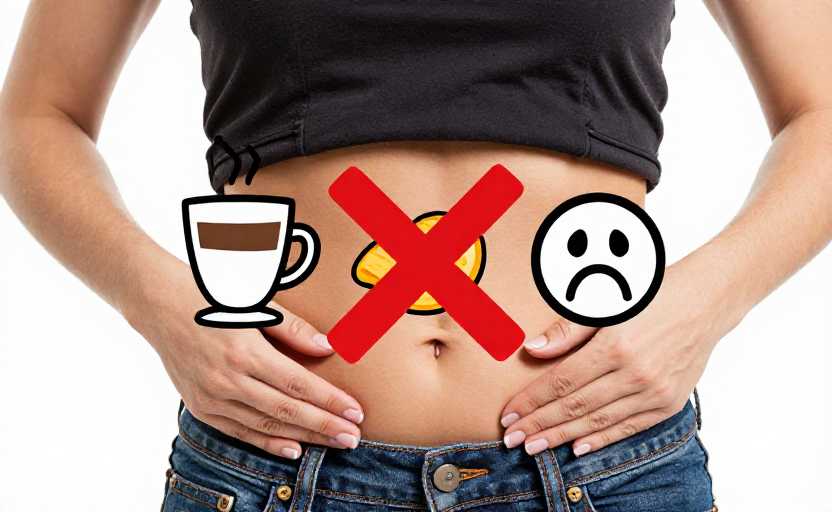
Oh, by the way, many people say that people with hypothyroidism cannot drink soy milk or milk. This is purely a misunderstanding. It’s not that you can’t eat it, but you need to stagger it by 1-2 hours with the time when you take Euthyrox. The calcium and protein in these foods will affect the absorption of the medicine. I had a patient before who drank a large glass of hot soy milk before taking medicine in the morning. After taking it for half a year, his TSH did not drop to normal. After changing the time of taking medicine, he reached the standard one month later. As for whether you can eat spicy food and whether you can drink coffee, as long as you don't feel uncomfortable after eating it, you can eat it as you like. I have several patients with hypothyroidism in Sichuan, and their nail function is very stable even if they eat spicy food every time.
After all, if you have hypothyroidism, you are prone to lack of energy and poor metabolism. If you don't dare to eat this or that, most of the fun in life will be reduced. It is really unnecessary. As long as you remember the core minefields and how to make the rest comfortable, if you are not sure, ask a doctor with the latest thyroid function report. It is much more reliable than reading the "5 foods that you must not eat for hypothyroidism" online. After all, there are individual differences, and other people's taboos may be the nutrients you need to supplement.
Disclaimer:
1. This article is sourced from the Internet. All content represents the author's personal views only and does not reflect the stance of this website. The author shall be solely responsible for the content.
2. Part of the content on this website is compiled from the Internet. This website shall not be liable for any civil disputes, administrative penalties, or other losses arising from improper reprinting or citation.
3. If there is any infringing content or inappropriate material, please contact us to remove it immediately. Contact us at: