
A complete list of dietary taboos for hyperthyroidism
Strictly limit excess iodine intake, limit high-sodium and high-salt foods, limit highly irritating foods, try to avoid eating a large amount of raw goitrogenic foods at one time, and be cautious about excessive consumption of high dietary fiber foods. In addition, there is no need to excessively limit foods. Most daily foods can be eaten normally.
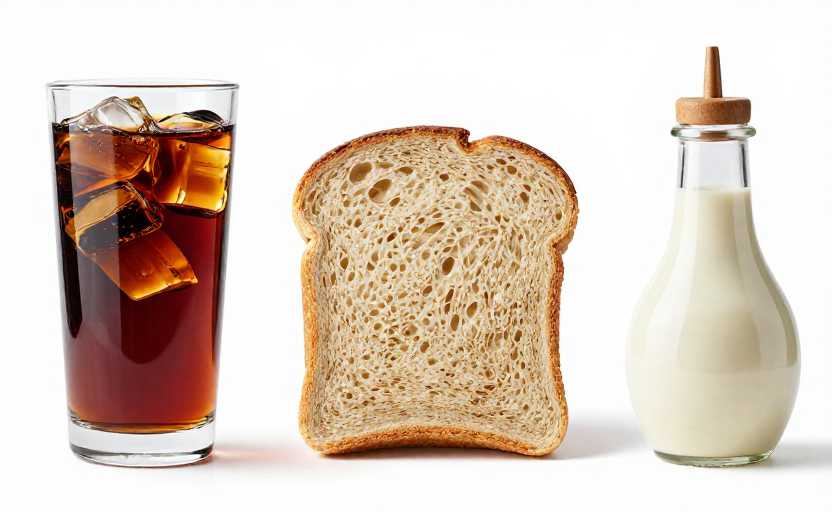
Speaking of iodine restrictions, this is probably the most difficult point for most patients with hyperthyroidism - a few years ago they were still saying that they must "avoid iodine for life", but now many doctors say that they can eat it in moderation. Who do they listen to? In fact, there is no unified standard for this, and it depends on the type and stage of your hyperthyroidism: if you have active Graves' disease, have high thyroid antibody levels, or have just completed the first 3 months of iodine 131 treatment, you must strictly avoid iodine. Avoid iodized salt, kelp, seaweed, seafood, etc. It is best to eat non-iodized salt. But if it is transient hyperthyroidism caused by Hashimoto’s thyroiditis, or if the thyroid function has been stable in the normal range for 3 consecutive months, and the antibody level is not high, then you can eat a low-iodine diet. It is okay to eat light-flavored seafood 1-2 times a week. Even if you check your urine for iodine and find that your iodine level is low, the doctor will also recommend that you take appropriate iodine supplements, which will help stabilize the thyroid gland. I once met a young girl who just graduated. After being diagnosed with hyperthyroidism, she didn’t even dare to eat takeout. She cooked vegetables without salt and oil for a while. As a result, her thyroid function became normal in 3 months, but she lost 22 pounds. Her aunt stopped eating for two months because she was overly taboo.
Let’s talk about the problem of high sodium. Many people know that they need to control iodine, but they often ignore sodium control. Hyperthyroidism itself will cause water and sodium retention due to excessive thyroid hormone. Many patients will have swollen calves and worsened exophthalmos when they first develop the disease. If they continue to eat bacon, pickles, processed potato chips, or even drink sports drinks and sparkling water in the summer, excessive sodium intake will only make the edema worse and the recovery speed of the exophthalmos will be slower. Especially for patients who already have infiltrative exophthalmos, they should try to avoid heavy processed foods and use less invisible high-sodium seasonings such as soy sauce and bean paste when cooking, which can be of great help in alleviating symptoms.
As for irritating coffee, milk tea, alcohol, and chili peppers, there are no absolute taboos. Many popular sciences say that patients with hyperthyroidism should not eat spicy food at all. So, do hyperthyroidism patients in Sichuan and Hunan have to eat free food for the rest of their lives? Not really. If you usually like spicy food and your thyroid gland function is under stable control, it’s perfectly fine to eat mildly spicy hot pot or stir-fries. As long as you don’t feel flustered or have worsened hand tremors after eating it, you’ll be fine. But if you have just gotten sick and your heart rate has been above 100, and your heart beats too fast even if you drink half a cup of milk tea and you can't sleep, you must endure it first. A young man I reviewed a while ago drank two iced Americanos while working on a project the day before.
There are also cruciferous foods that people often ask, such as broccoli, cabbage, and radishes. Are they absolutely forbidden to eat? In fact, this misunderstanding has been spread for many years. The glucosinolates contained in this kind of food will interfere with the thyroid's absorption of iodine and induce goiter only in extreme cases when it is eaten raw and several kilograms are eaten at one time. Usually when we fry it and eat it, we eat half a plate at a time. The amount is not enough to cause illness, so there is no need for dietary restrictions. Unless you eat raw vegetable salad every day and put half a head of broccoli in at a time, then you need to pay attention.
Finally, let’s talk about high dietary fiber foods. Because gastrointestinal motility is faster than that of ordinary people, many people with hyperthyroidism will have frequent bowel movements and even diarrhea. If they continue to eat prunes, dragon fruit, oat bran and other intestinal-friendly foods every day at this time, it will only increase the burden on the gastrointestinal tract. But if you already have constipation problems, it’s okay to eat a little in moderation, and you don’t have to be completely one-size-fits-all.
By the way, I would like to remind everyone, don’t just focus on dietary taboos and forget to supplement nutrients. Hyperthyroidism is a high-consumption disease. You should eat more high-quality proteins such as eggs, milk, and lean meat. Otherwise, if you consume too much, you will easily become malnourished like the little girl before. There are also those health care products that claim to "maintain thyroid", such as selenium tablets and thyroid complex. Don't just buy them by yourself. Be sure to ask your doctor first, otherwise they may aggravate your condition.
In fact, the dietary taboos for hyperthyroidism are really not as complicated as everyone thinks. You don’t have to read popular science and say what you can’t eat and then be thrown into the cold palace immediately. The key is to adjust according to your condition and body reaction, regularly review thyroid function and urine iodine, and listen to the advice of the attending doctor. It is more reliable than any online "taboo list".
Disclaimer:
1. This article is sourced from the Internet. All content represents the author's personal views only and does not reflect the stance of this website. The author shall be solely responsible for the content.
2. Part of the content on this website is compiled from the Internet. This website shall not be liable for any civil disputes, administrative penalties, or other losses arising from improper reprinting or citation.
3. If there is any infringing content or inappropriate material, please contact us to remove it immediately. Contact us at: