
Diet taboos in the first three months of pregnancy
There is no "fasting list" that is 100% untouchable during the first three months of pregnancy. The only foods that clearly need to be avoided are foods that are known to be teratogenic, have a high risk of infection, and may induce strong uterine contractions. As long as you have no allergies, no underlying diseases, and no discomfort after eating, most of the other categories can be consumed in small amounts. There is no need to be overly anxious about an occasional bite of "contraband".
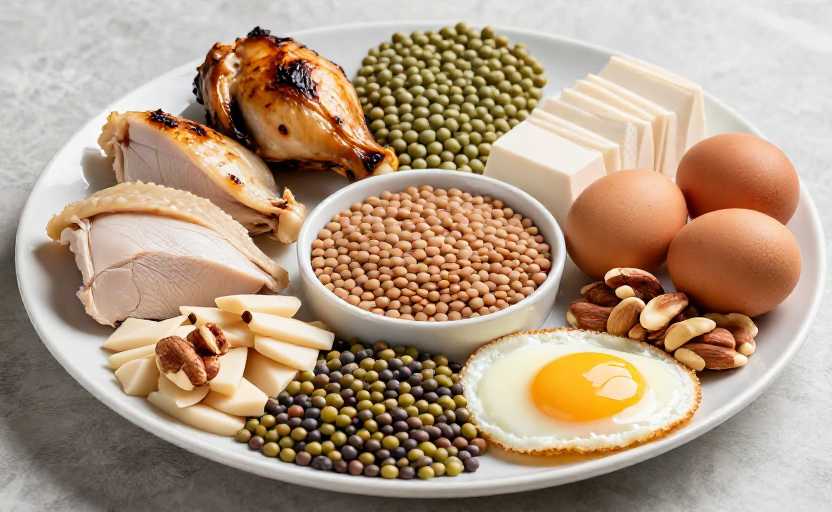
My best friend just tested positive for parallel bars last week. On the same day, she threw away all the soft-boiled eggs and half a box of chilled salmon in the refrigerator at home. She also chased and scolded me for half an hour - saying that I was "irresponsible for the child" by secretly eating salmon sushi during the first trimester of my pregnancy last year. In fact, her worries are half right and half wrong. Raw or incompletely heated meat, eggs, aquatic products, as well as unpasteurized fresh milk and soft cheese are indeed the primary minefields in the first three months. This point is not disputed by either traditional Chinese medicine or Western medicine: the teratogenicity and miscarriage risk of Listeria and Toxoplasma infection have been clinically verified Yes, no matter how fresh the ingredients are and how reliable the source is, there is no need to bet on this small probability event. The director of the obstetrics department at my prenatal check-up at the time specifically said that no matter how greedy you are for the soft-boiled eggs, medium-rare steaks, raw pickles, drunken shrimps and drunken crabs sold outside, you can't bear it for the first three months. If you really want to eat eggs, fully cooked tea eggs are a hundred times safer than soft-boiled eggs.
When it comes to crabs, iced milk tea, watermelon and other mythical "sliding foods", the controversy is huge. My mother still talks about it, saying that when she was pregnant with me, she almost had diarrhea after eating two bites of crab, so she wouldn't let me touch a bite when I was pregnant. But I was so pregnant that I would vomit even after drinking porridge, so I relied on ice lemon soda to suppress my nausea. I drank two or three sips at a time, and the prenatal check-up gave me the green light, and the doctor said there was no problem. In fact, both sides of the argument are reasonable: the advice of traditional Chinese medicine is that if you have signs of threatened abortion and usually have diarrhea when you eat cold foods due to a weak spleen and stomach, it is best to avoid these cold and cold foods that promote blood circulation and remove blood stasis, as they may indeed stimulate uterine contractions. ; But the view of modern obstetricians is that as long as you don’t feel uncomfortable eating these things, eating one or two small bites to satisfy your cravings will not reach the "pregnancy" dose. After all, you have to eat two or three pounds of crabs to get enough ingredients to induce uterine contractions. Who in the normal world would eat so much at one time?
Don't just look to see if you can eat it. Many people have missed the trap of "don't make up for it blindly". I met a pregnant mother in the obstetrics clinic a while ago. She was just six weeks pregnant. Her mother-in-law made her stew ginseng and deer antler soup every day. As a result, she had nosebleeds and progesterone fluctuations, and she was scolded by the doctor. The fetus in the first trimester is only as big as a fingernail, so there is no need for additional nutritional supplements. Foods such as ginseng, velvet antler, and royal jelly will either accelerate blood circulation and induce uterine contractions, or contain estrogen-like ingredients, which may interfere with hormone levels in the body. There is no need to eat them. Just eat a normal daily meal and supplement with folic acid.
Of course, there are two categories that are really not controversial, and it is recommended to avoid them as much as possible regardless of your physical constitution. The first is alcohol and any food containing alcohol, whether it is rice wine, fruit wine, glutinous rice wine, or braised dishes with a lot of cooking wine. The teratogenic effect of alcohol is clear. There is no so-called "safe dose" even in small amounts. If you can, don't touch it. The second is excessive caffeine. The American College of Obstetricians and Gynecologists recommends a safe dose of no more than 200mg per day, which is about the amount of a medium cup of regular American coffee. If you usually get flustered and insomnia after drinking coffee, or have had a history of miscarriage before, your doctor will most likely recommend that you quit it completely. If you are really hungry, no one will tell you if you drink half a cup of decaffeinated coffee.
When I was pregnant with my first child, I saved a two-page "list of forbidden foods during pregnancy", but later I found that it was really unnecessary. The first three months of pregnancy are inherently uncomfortable, and being able to eat is more important than anything else. As long as you avoid the categories that are clearly risky, you really don’t have to blame yourself too much for the rest - I even secretly ate spicy strips twice, one or two each time, and the baby was born healthy. Pregnancy is not about going to jail. Don’t be afraid of eating something you like because of other people’s words. Your good mood is actually more important than any taboos.
Disclaimer:
1. This article is sourced from the Internet. All content represents the author's personal views only and does not reflect the stance of this website. The author shall be solely responsible for the content.
2. Part of the content on this website is compiled from the Internet. This website shall not be liable for any civil disputes, administrative penalties, or other losses arising from improper reprinting or citation.
3. If there is any infringing content or inappropriate material, please contact us to remove it immediately. Contact us at: