
High blood sugar dietary taboos
There are no foods that people with high blood sugar must not eat. The essence of the core taboos is "all eating behaviors that will cause severe fluctuations in blood sugar in the short term and long-term calorie excess." There is no "fasting list" that cannot be touched in one bite. All taboos must be flexibly adjusted based on one's own metabolism, food intake, and combination methods.
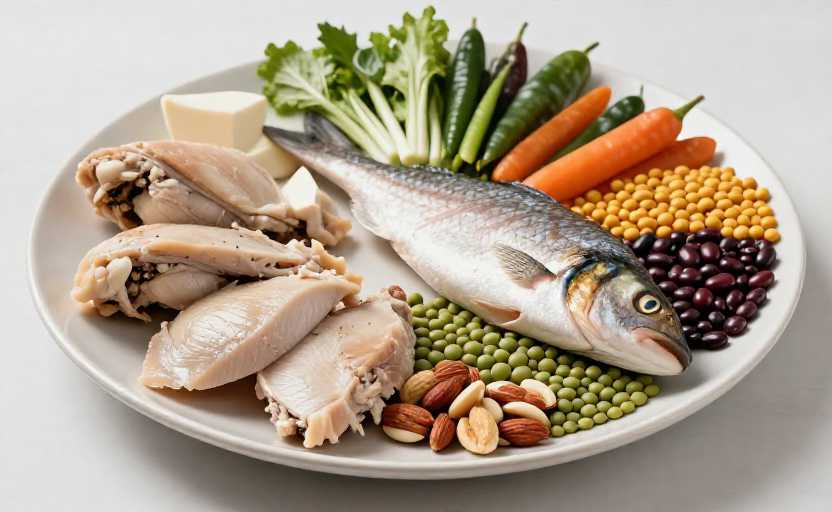
To be honest, I have seen too many people who have just been diagnosed with diabetes go to extremes. They either don’t dare to touch any staple food, cook vegetables every time, and are so hungry that they feel dizzy, which triggers rebound hyperglycemia. He couldn't keep his mouth shut for half a year, and said, "I didn't eat any candy or cake, so my blood sugar wouldn't drop." I adjusted his diet for three days in a row, replacing white rice with half grains and half white rice for each meal, adding a palm-sized portion of lean meat and two fistfuls of vegetables. I didn't let him quit any of his favorite vegetables, but just reduced the amount. The fasting test on the weekend was 6.2.
There are actually two mainstream ideas in the sugar control circle now, and it’s hard to say who is right or wrong: One is to strictly follow the glycemic index (GI), directly black out refined rice noodles, milk tea cakes, and high-sugar tropical fruits, which saves the effort of mental calculation. It is suitable for people who have just been diagnosed and have particularly large blood sugar fluctuations, and have a high error tolerance rate.; The other group pays more attention to the glycemic load (GL), which is the total amount of absorbable carbohydrates actually consumed by the food. Even if it is a high GI food like watermelon, if you eat 100g at a time, the GL is only 4, which will not cause a burden on blood sugar at all. This type is more suitable for people who have been controlling sugar for a period of time and have a better understanding of their own body reactions. They do not need to be too aggrieved, and their quality of life is much higher. I have a Type 1 diabetic in his early 30s next to me. Every time he eats hot pot, he calculates the amount of carbohydrates and takes insulin. He still eats a small amount of ice powder and small crispy pork, and his blood sugar has always been very stable.
Don't believe it, many people step on the "invisible candy" when they step on the trap. During the Mid-Autumn Festival last year, an old patient complained to me. He said that he didn’t dare to touch ordinary mooncakes, so he ate two Wuren mooncakes marked “sugar-free”. After the meal, his blood sugar spiked to 11.2. He also came to me with the ingredient list and said, look, there is indeed no sucrose in it—— I turned to the first line of the ingredients list and pointed out to him that the mooncake skin is made of refined wheat flour, and there are a lot of peanuts, sesame seeds and shortening in it. The combination of fat and refined carbohydrates raises blood sugar at a rate not much slower than that of one with added sucrose. Even if it is "sugar-free", eating just half a piece at a time is enough. Oh, by the way, there are also home-cooked dishes that many people ignore, not to mention fish-flavored shredded pork, braised pork ribs, and sweet and sour pork loin. Even the braised eggplant and Yangzhou fried rice that don’t look sweet have at least 10-20g of sugar added to enhance the freshness. Eat them with white rice. The blood sugar rises faster than drinking half a bottle of Coke. A little girl asked me to adjust her blood sugar before. She said that she never eats sweets and her blood sugar just can’t come down. When asked, she ordered fish-flavored shredded pork rice bowl for lunch every day. The hidden sugar in that dish alone was enough to meet her daily quota of added sugars.
Regarding the particularly controversial question of "can you drink porridge?", I have also come across completely opposite cases. Experts from the Department of Endocrinology have previously stated that people with diabetes must not drink porridge, especially white rice porridge, which raises blood sugar faster than glucose. However, I know several people with diabetes who are over 70 years old and have trouble eating hard rice. They drink half a bowl of mixed bean oatmeal porridge that is not too thick every morning, with a boiled egg and a small dish of cold spinach. Their postprandial blood sugar never exceeds 7.8. To put it bluntly, it depends on what kind of porridge you drink and how you drink it: you should eat less white rice porridge and boiled millet porridge. If more than half of the porridge is made up of grains and beans, don't boil it for too long. Sip it slowly when drinking, don't drink it in one gulp. Add enough protein and dietary fiber to delay absorption. There is no need to beat it to death with a stick. There is also the question of whether you can eat fruits. Some doctors say you can't touch anything except tomatoes and cucumbers, and some say you can eat anything as long as you control the amount. In fact, there are two key points: don't eat it immediately after a meal, eat it as a snack between two meals, and eat no more than half a fist at a time. Even if it is sweet like mango or grape, it is not a big deal if you eat it in small amounts.
I have helped people with diabetes adjust their diets for so long, and I have a very practical tip that is not considered a taboo. It is to adjust the order of meals: eat two bites of vegetables first, then two bites of meat and eggs, and finally eat the staple food. Compared with eating rice as soon as it comes, the blood sugar after the meal can generally be lowered by 1-2 points. You don’t have to go hungry or change what you eat. Just change the order. People who have tried it basically say it works.
In the final analysis, sugar control is never about turning yourself into an ascetic. All the taboos mentioned by others are reference. The value measured by your own blood glucose monitor is the most accurate. Test it after you eat something to understand your body's reaction, which is more reliable than listening to the experience of many experts. After all, you live your own life. With your blood sugar stable, you can still eat what you like. Isn’t this better than anything else?
Oh, by the way, one last thing to mention, if you are already taking anti-diabetic drugs or taking insulin, do not cut out staple foods casually. The risk of hypoglycemia is more serious than hyperglycemia, so you must be careful.
Disclaimer:
1. This article is sourced from the Internet. All content represents the author's personal views only and does not reflect the stance of this website. The author shall be solely responsible for the content.
2. Part of the content on this website is compiled from the Internet. This website shall not be liable for any civil disputes, administrative penalties, or other losses arising from improper reprinting or citation.
3. If there is any infringing content or inappropriate material, please contact us to remove it immediately. Contact us at: