
Diet taboos for mothers with infant jaundice
There is currently no authoritative evidence-based medical evidence that mothers eating certain foods will directly cause the aggravation or delay in the resolution of jaundice in infants. In most cases, there is no need to specifically limit foods. There are only two special situations where you need to adjust your diet. The rest of the "taboos" are basically misunderstandings spread by rumors.
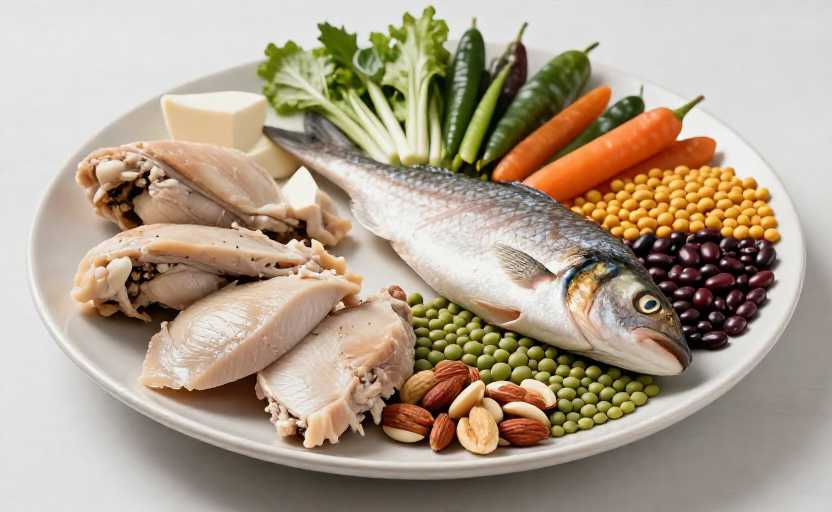
To be honest, I just walked through this pit with my best friend last month. Her baby was tested for jaundice 14 on the 7th day after birth. The old man at home removed all the pumpkins, carrots, and millet porridge from her dining table, and even refused to touch the eggs, saying "babies who eat yellow will become more yellow." She lost half of her milk supply after two days of starvation. Don’t laugh. Many people still believe in this misunderstanding of “complementing color with color”. In fact, even if you eat too much beta carotene in pumpkins and carrots, the mother’s soles of her hands and feet will at most turn yellow temporarily. The amount that can pass into breast milk is minimal and will not touch the bilirubin level in the baby’s body. There is no need to avoid it.
Of course, this does not mean that there are absolutely no taboos. If you encounter special circumstances, you still have to make appropriate adjustments to your diet. For example, if the baby has been diagnosed with breast milk jaundice and the bilirubin level exceeds 15 mg/dl, and the doctor recommends temporarily suspending breast milk for 3 days for observation, the mother should not drink milk-producing foods such as pig's trotter soup and crucian carp soup during this period. Otherwise, the milk will become engorged and blocked, leading to a fever, and she will be the one to suffer. My neighbor had three surgeries last year because of the blockage, and she cried in pain. There is also a situation where the baby's jaundice persists, but is also accompanied by repeated eczema, loose stools, and even blood-streaked stools. The doctor suspects that the jaundice caused by milk protein allergy is delayed. At this time, it is necessary to appropriately avoid common foods such as milk, eggs, seafood, and nuts. Allergens are not completely banned, and can be investigated one by one. My cousin's baby had jaundice for more than two months, and she stopped eating milk and eggs for two weeks. Her jaundice dropped to 4, and her eczema was mostly cured. Later, she added eggs without any problem, so she only avoided milk.
There are actually differences in the advice in different fields. For example, doctors in the Department of Traditional Chinese Medicine generally advise mothers to eat less spicy and hot food. Eating too much of spicy hot pot, durian, and lychee can easily lead to internal heat. If the mother is constipated and has dry mouth, her baby may also defecate. If the knot is dry and the bilirubin cannot be excreted, it will naturally recede slowly. This is an empirical suggestion, and there is no need to boast that there is no evidence-based evidence. If you are comfortable eating and the baby is not abnormal, it is okay to eat some. If you are prone to getting angry, there is no harm in controlling it a little. There are also those who say you can’t eat iced or cold food. In fact, the same principle applies. If you eat a popsicle in the summer and you don’t have diarrhea, and your baby drinks milk, it will be fine.
Many mothers around me have fallen into the trap of food taboos. The most exaggerated one was that she didn't even dare to eat oranges, saying that oranges were yellow. In the end, she was malnourished and lost her hair. Her milk supply was not enough and her baby had to add milk powder. On the contrary, she became constipated due to the transfer of milk, and her jaundice receded even more slowly. It was totally not worth the gain. In fact, the core logic of reducing jaundice is to let the baby eat more and have more milk. If you eat well, drink well, and have enough milk, it is better than anything else. If you are really unsure, ask the doctor. Don't search blindly at home. There is no need to wrong yourself for unfounded claims, right?
Disclaimer:
1. This article is sourced from the Internet. All content represents the author's personal views only and does not reflect the stance of this website. The author shall be solely responsible for the content.
2. Part of the content on this website is compiled from the Internet. This website shall not be liable for any civil disputes, administrative penalties, or other losses arising from improper reprinting or citation.
3. If there is any infringing content or inappropriate material, please contact us to remove it immediately. Contact us at: