
Thyroid cancer dietary taboos
There are no 100% absolute dietary taboos for thyroid cancer. All so-called "taboos" must be flexibly adjusted based on your cancer type, stage of treatment, and your own basic situation. There is no need to listen to the rumors on the Internet that you cannot eat iodized salt, seafood, and chicken. It will cause yourself malnutrition and affect your recovery.
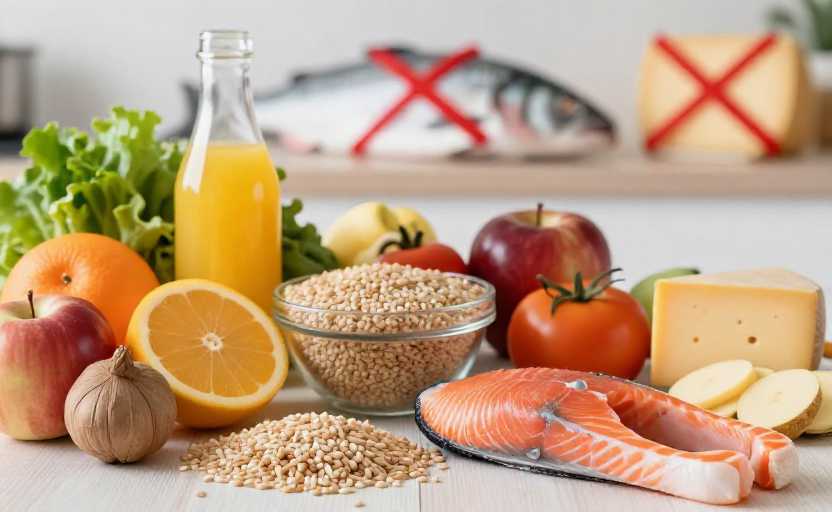
I guess the first thing everyone wants to ask is about iodine. After all, this is the most controversial area among academic circles and patients. Among the patients I have come into contact with, their attitudes towards iodine alone can be divided into two groups: one group is eager to check whether even soy sauce contains iodine, and the other group does not care about eating kelp every time. In fact, both of these are a bit extreme.
If it is differentiated thyroid cancer (that is, the most common papillary and follicular cancers) and requires iodine 131 ablation treatment after surgery, you must strictly avoid iodine 1-2 months before treatment: eat iodized-free salt, stop eating kelp, seaweed, fish and shrimp, and even vegetables fried with iodized salt in restaurants outside. Otherwise, normal iodine will take the place of iodine 131, and the treatment effect will be greatly reduced. But if you don’t need to take iodine 131, or the treatment has been completed for more than half a year, there is really no need to eat non-iodized salt for a long time. It is perfectly fine to eat iodized salt normally and eat some seafood occasionally, as long as you don’t eat kelp every day.
A different clinical point of view should be mentioned here: some doctors do require patients to have long-term low iodine levels after surgery. This cannot be said to be wrong, but the latest guidelines recommend adjusting based on the urine iodine test results. As long as the median urine iodine is within the normal range of 100-199 μg/L, there is no need to deliberately control iodine. If it is a type that does not absorb iodine, such as medullary cancer or undifferentiated cancer, then you don’t need to worry about iodine at all and just eat normally. There used to be a 62-year-old aunt with medullary cancer. She heard on the Internet that she should avoid iodine. She ate non-iodized salt for half a year, and her urinary iodine was only over 40 μg/L during a follow-up test. She complained of fatigue and hair loss every day. Later, she switched to iodized salt, and her symptoms were relieved in more than a month. Half a year of suffering was in vain.
In addition to iodine, the most frequently asked question is whether "fawu" can be eaten. Every time I go to the outpatient clinic, a patient holds up a short video and asks me, doctor, should I not be able to eat chicken, beef, mutton, or seafood in the future?
To be honest, there is no concept of "fatting" in the Western medicine system. Chicken, beef, mutton, and seafood are all high-quality proteins. Eating more after surgery can actually help the wound to grow. But you can’t just eat Heisei all the time. A week before the surgery, the wound on your neck was still swollen and it hurt to swallow. So don’t touch anything that is too hot, spicy, or too hard. It will irritate your throat and make you cough. It will really hurt when you pull on the wound. Last week, there was a 28-year-old young man who went to eat butter hot pot with his friends on the third day after the operation. He coughed because of the spicy food and the wound oozed blood. He went to the emergency room. The sutures could have been removed in a week, but it was delayed for ten days. It was really unnecessary. Of course, if you are allergic to seafood, you must not touch it, otherwise you may get a rash and affect your recovery. If you are not allergic, it is absolutely fine to eat it normally.
There is another category that everyone easily falls into, which is the so-called “post-operative supplements”. Many family members feel that it is really unnecessary for patients to stew snow clams, royal jelly, and purple river cartons and deliver them to their mouths every day after surgery. The animal estrogen content in these things is indeed not low. Although there is currently no clear evidence that estrogen will directly cause the recurrence of thyroid cancer, many thyroid cancer patients themselves have breast nodules and uterine fibroids. These are estrogen-sensitive problems. If you take supplements every day, it will definitely not be beneficial. There was a 32-year-old female patient before. After the operation, her mother loved her and made her stewed snow clams every day. After three months of rechecking, she found that the breast nodules had grown from 2mm to 5mm. She was so frightened that she came to cry and asked me if it had recurred. Later, she stopped taking supplements and ate normally. After half a year, the nodules were stable and had not grown.
Of course, many patients who believe in traditional Chinese medicine ask me whether they should avoid cold or raw food. I generally don’t deny this right away. After all, everyone’s body is different. If you have a weak spleen and stomach and have diarrhea after eating ice watermelon, you must eat less. ; If you are too hot in the summer and eating ice cream is not a problem, then there is no need to feel any psychological burden. Among the patients I care for, many people eat popsicles to relieve the swelling of their throats on the second day after surgery, and I have not seen anyone relapse because of this.
In fact, to put it bluntly, thyroid cancer is now called "lazy cancer". Most of the prognosis is very good. There is really no need to put so many shackles on yourself when it comes to eating. Before you are really unsure about what to eat, ask your attending doctor first. He will know your classification and treatment situation best, which is much more reliable than reading the "universal taboo list" on the Internet.
Disclaimer:
1. This article is sourced from the Internet. All content represents the author's personal views only and does not reflect the stance of this website. The author shall be solely responsible for the content.
2. Part of the content on this website is compiled from the Internet. This website shall not be liable for any civil disputes, administrative penalties, or other losses arising from improper reprinting or citation.
3. If there is any infringing content or inappropriate material, please contact us to remove it immediately. Contact us at: