
Diet taboos for high blood sugar
Don't touch "fast sugar foods" that can cause blood sugar to spike instantly, don't adopt wrong eating methods that increase metabolic burden, and don't believe in one-size-fits-all extreme sugar control rumors. Apart from this, there is actually nothing that you absolutely cannot eat. The core is to stabilize blood sugar fluctuations and not let it go on a roller coaster ride.
Don't believe it. Last year, Uncle Zhang's physical examination showed that his fasting blood sugar was 7.2. When he returned home, he threw away all the honey and cakes at home. He ate big white steamed buns and soft white porridge every meal. He always patted his chest and said, "I won't eat sweets anymore. My blood sugar can definitely be lowered." However, after three months of reexamination, his fasting blood sugar level was 8.1, which made people stupid. Many people don’t know that the staple food made of polished rice and white flour, even if it doesn’t have any sweetness, has a higher glycemic index (GI) than watermelon. Especially if the white porridge is completely gelatinized, the blood sugar will rise in half an hour after drinking it, which is stronger than drinking Coke.
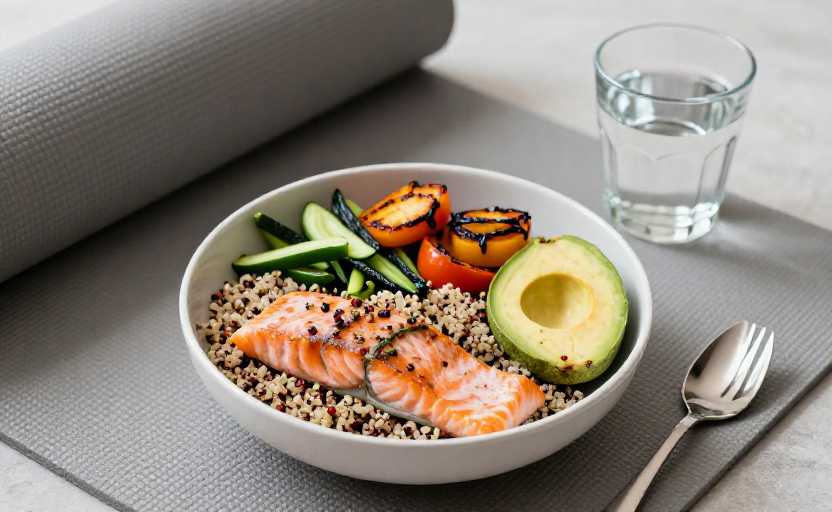
Speaking of this, someone will definitely mention, isn’t low-carb ketogenic sugar control popular on the Internet now? He said that all carbohydrates should be avoided and that only meat and vegetables should be eaten. I specifically asked an endocrinologist I am familiar with about this, and the solutions for different groups of people are really different: if you are already severely insulin resistant, or have even been diagnosed with diabetes, short-term low-carb can indeed quickly lower your blood sugar, but if you are just sugar-hungry If you have abnormal tolerance and good pancreatic islet function, there is no need to completely cut off carbs. As long as you replace half of the polished rice and white flour with whole grains such as oats, quinoa, and mixed beans, you can reduce the rate of blood sugar rise by a large amount. However, long-term complete carb cut will easily lead to muscle loss and hair loss, which is not worth the gain.
What’s worse than choosing the wrong food is eating it the wrong way. A while ago, I accompanied a friend who had been diagnosed with type 2 diabetes for 3 years for a follow-up visit. He said that he only eats multi-grain rice as his staple food every day and does not eat sweets. Why does his blood sugar still go up and down after meals? When the doctor asked, he found out that he ate very quickly, finishing a meal in 5 minutes, and always liked to make rice with vegetable soup. Later, he changed his habit and started eating a plate of fried vegetables, then two pieces of fried fish, and finally slowly ate less than half a bowl of multigrain rice. After the meal, his blood sugar dropped directly from 9 to less than 7, and the effect was more obvious than adding half a pill.
Oh, by the way, there are also many invisible sugar-raising pitfalls that you don’t even notice at ordinary times. For example, the fish-flavored shredded pork and Kung Pao chicken made in restaurants outside look like salty dishes, but in fact each portion is thickened with several spoons of sugar and starch. Last time, my friend was so greedy that he ate half of the plate instead of the staple food. His blood sugar soared to 10.3 two hours after the meal, which made him afraid to order dishes with thick soup. There are also sugar-free biscuits and sugar-free cereals that everyone thinks are very healthy. If you look through the ingredient list, the first ones are wheat flour and maltodextrin. Even if sucrose is not added, the sugar-raising rate cannot be lowered. They are essentially carbohydrate bombs with a different name.
Speaking of sugar-free foods, some people must ask whether sugar substitutes can be eaten? This is indeed still controversial in the academic circles. Some studies believe that sugar substitutes hardly raise blood sugar and are suitable for replacing sucrose to relieve addiction when you are craving for food. ; Long-term follow-up studies have also found that people who drink sugar-substitute drinks every day will have their intestinal flora affected and will instead reduce insulin sensitivity. Over time, their blood sugar will be no better than that of people who drink ordinary drinks. Most of the old sugar lovers around me occasionally take a sip or two to satisfy their cravings. No one dares to drink water every day. After all, stabilizing blood sugar is a long-term matter, and there is no need to use yourself as a guinea pig.
There is another misunderstanding that many people make, that is, to control sugar, you need to be hungry, boil vegetables for every meal, and only eat one or two bites of staple food. I met an aunt before. As soon as she was diagnosed with high blood sugar, she set a rule of "only eating 1 or 2 meters a day." However, within half a month she fainted and was sent to the hospital. She was diagnosed with ketoacidosis and was hospitalized for a week. It’s really not necessary. Controlling sugar is not about being an ascetic. For example, if you really want to eat cake, eat a piece the size of an egg, reduce the staple food of the day to half a bowl, and go out for a 20-minute walk after eating. Your blood sugar will not fluctuate much at all. Instead, you will endure not eating every day. If you can’t help but overeat one day, and your blood sugar will soar to over ten, that’s what really hurts your body.
In fact, to put it bluntly, there are so many black-and-white taboos on a diet with high blood sugar. In the final analysis, it’s all about knowing your body’s reaction. If you eat the same piece of apple, some people’s blood sugar will rise quickly, while others will have nothing to do. Measuring your post-meal blood sugar twice more is more effective than reading 10 taboo lists posted online. After all, the days are still long, and you can’t even give up your appetite just to control sugar, right?
Disclaimer:
1. This article is sourced from the Internet. All content represents the author's personal views only and does not reflect the stance of this website. The author shall be solely responsible for the content.
2. Part of the content on this website is compiled from the Internet. This website shall not be liable for any civil disputes, administrative penalties, or other losses arising from improper reprinting or citation.
3. If there is any infringing content or inappropriate material, please contact us to remove it immediately. Contact us at: