
Graduate student in geriatric nutrition
We are practitioners who stand at the intersection of clinical medicine, food science, and geriatric sociology. Our core solution is the most down-to-earth problem of the elderly group: "How to eat to live comfortably and for a long time."
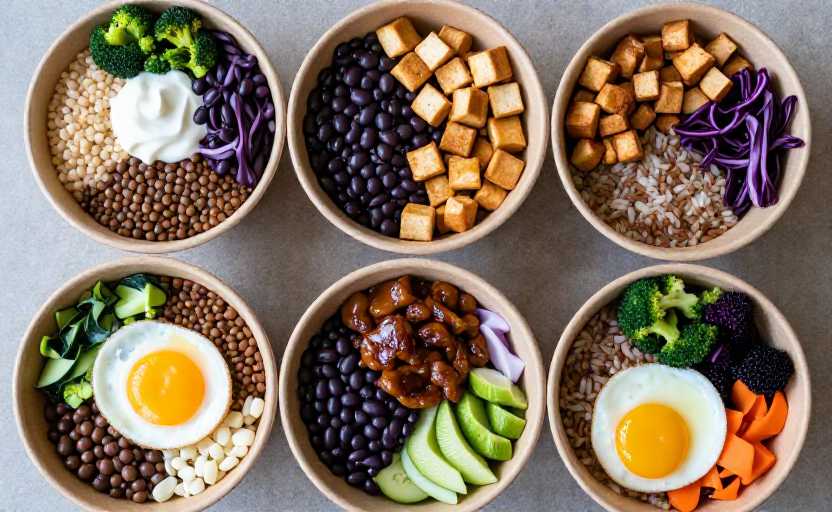
When I first entered graduate school and went to a community free clinic with my tutor, I encountered a particularly typical example. Aunt Zhang, who lives in Fenglin Community, has been suffering from type 2 diabetes for almost 20 years. After listening to countless health lectures, she set the rules for herself: not to touch anything sweet, not to eat meat twice a month, and only steamed pumpkin with multi-grain rice. As a result, her fasting blood sugar level soared to 12.3 that time. She was only 78 pounds in weight, and she wobbled when she walked. I checked her food records at that time and found out that she believed the rumor that "pumpkin lowers blood sugar". She could eat half a catty of pumpkin in one meal, and her GI value (glycemic index) was as high as the sky. Can her blood sugar not be high?
Speaking of which, academic circles are still quarreling over the dietary standards of the elderly. One party is an expert in clinical nutrition. He believes that the elderly have poor metabolic ability. High oil and high salt are the triggers of cardiovascular and cerebrovascular diseases. The daily salt intake must be limited to less than 5 grams, oil cannot exceed 25 grams, and red meat should be eaten as little as possible. On the other side are scholars who specialize in cohort studies on nutrition for the elderly. The follow-up data provided by them is: if the elderly over 75 years old strictly limit salt, the risk of loss of appetite due to taste degradation will increase by 37%. The resulting mortality rate of sarcopenia (that is, the elderly lose too much muscle mass too quickly and are prone to fractures if they stumble a little) and malnutrition is more than twice as high as the risk of eating salty snacks. Our research team is still doing relevant follow-up, and has tracked more than 1,200 elderly people over 70 years old. The data has not yet been completely compiled, but in the cases I have come into contact with, those who are willing to occasionally eat two bites of sauced duck and two bites of pickled dried radish generally eat more fragrantly and are more energetic.
I followed up with the research team last year. There was an 81-year-old Grandpa Li. He used to have a heavy mouth and would eat his own pickled radish for every meal. His children threw away all his dried radish after attending a health class. As a result, he only ate half a bowl at each meal for half a month. He lost 6 pounds and even fell once while walking. Later, we adjusted the plan for him. He could eat half a plate of dried radish at a time, but soaked it in warm water for 10 minutes in advance to remove the salt. Just add 2 grams less salt when cooking. Now he eats deliciously. Last month, his muscle mass increased by 0.2 kilograms. The family finally stopped staring at his salt shaker.
To be honest, before I started studying this major, I thought I would just spend time in the laboratory testing data every day. As a result, half of the first-year courses were spent working in the nutrition department of the hospital, and half of them were learning cooking from the chefs at the community luncheonette. How to stew chicken breast until it breaks into pieces with a pinch of chopsticks, and how to grind dried mushrooms and shrimp skin into powder to use as natural MSG, which is very fresh without adding salt. Last week, we went to the local convenience market with our tutor, specifically looking for lentils that can be softened by boiling them in 10 minutes. They are suitable for elderly people with bad teeth who live alone. There is no need to soak them in advance. When cooking, just throw some vegetables in and it is a meal. It is very convenient.
Some relatives asked me before if I could only sell health care products after graduation. I was too lazy to explain. Half of the seniors who graduated from our school in the past three years have gone to the nutrition department of community hospitals to provide dietary guidance for the elderly with chronic diseases. A quarter have gone to chain nursing institutions to manage catering. Others have gone to food factories to research and develop food for the elderly, such as soft cakes that do not add sucrose but are sweet, suitable for people with diabetes who have bad teeth. A senior sister who graduated last year is in charge of the meals of more than 200 elderly people in a nursing home. The last time I saw her, she said that recently, finger foods have been designed for the elderly with dementia.
Last time, there was an old man who I followed up for half a year. He was hospitalized due to malnutrition and could not even go downstairs when he was discharged. Now he rides his bicycle to the park every morning to practice Tai Chi. Last week, he specially went around to the office of our research group and stuffed me with two persimmons he grew himself. They were so sweet. To be honest, after studying this major for so long, the happiest thing is not how many articles I have published in core journals, but what I can really learn on my own, which makes these old people feel a little more comfortable in their later years because of the small matter of eating. That's enough.
Disclaimer:
1. This article is sourced from the Internet. All content represents the author's personal views only and does not reflect the stance of this website. The author shall be solely responsible for the content.
2. Part of the content on this website is compiled from the Internet. This website shall not be liable for any civil disputes, administrative penalties, or other losses arising from improper reprinting or citation.
3. If there is any infringing content or inappropriate material, please contact us to remove it immediately. Contact us at: