
Anti-inflammatory dietary taboos
Sweets with a high proportion of added sugar, processed foods containing trans fats/oxidized oils, heavy foods with excessive sodium content or which may directly stimulate inflammatory wounds; As for the often-asked question of "should hair products be taboo?", there are currently differences in the views of Chinese and Western medicine. There is no need to blindly apply one-size-fits-all. You can adjust it based on your own tolerance.
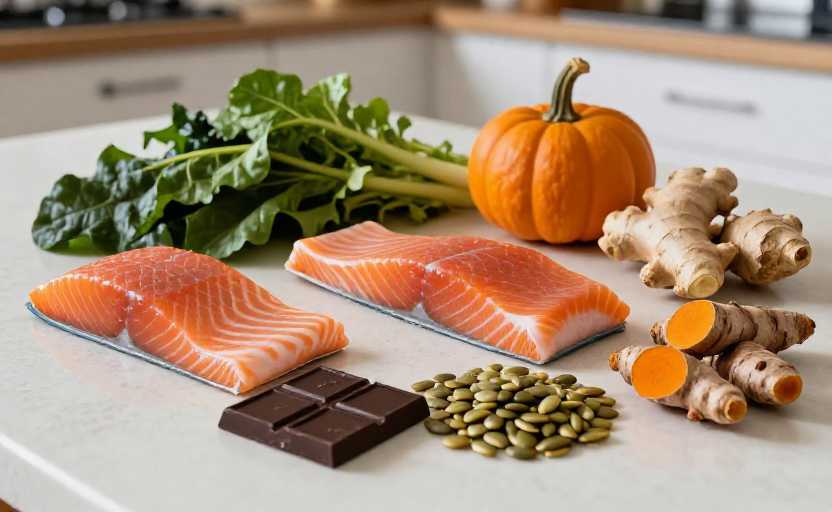
A while ago, there was a young man with wisdom teeth next to me. He took metronidazole and ibuprofen as prescribed by the doctor, and also took iced milk tea and popcorn cake as pain relief placebos every day. As a result, his face became swollen like a ping pong ball. It took a whole week to subside. Later, when I went for a follow-up examination and was scolded by the doctor, I found out that those sweet things are the "invisible accomplices" that slow down the inflammation.
Many people don’t know that high sugar intake will directly increase the level of C-reactive protein (CRP) in the blood - this is one of the core indicators for clinically judging the degree of inflammation. If you take anti-inflammatory drugs to reduce inflammation and drink tons of milk tea to increase CRP, the efficacy of the drug will naturally be compromised. Especially for people with blood sugar metabolism problems, not to mention the inflammatory period, a small wound usually heals slower than others. It is because the high-sugar environment provides a comfortable "breeding ground" for bacteria and inflammatory factors.
In addition to sugar, there are also many pitfalls in fat. Fried chicken, pastry, and decorated cakes made with non-dairy cream, which everyone often avoids, contain trans fats that have been confirmed by multiple studies to prolong the duration of inflammation. Even healthy people who eat too much can induce chronic low-grade inflammation in the body. However, there is also an interesting controversial point here: many people beat saturated fats to death with a stick, and think that lard and butter should not be touched. However, in recent years, more and more nutritional studies have shown that natural saturated fats that have not been overheated, such as grass-fed butter and cold-pressed coconut oil, will not aggravate acute inflammation. What we really need to guard against are oxidized oils and artificial trans fats that have been fried repeatedly.
As for the impact of heavy food, many people have personal experience: eating a spicy hot pot when suffering from oral ulcers, the wound that was once healed immediately became rotten again; the tonsils were inflamed after eating half a bag of pickled fish, and the next day they were so swollen that they could not even swallow water. It’s not that chili peppers and salt themselves will cause inflammation, but that high sodium will aggravate edema in inflammatory areas, and irritating seasonings will directly wear away the already fragile inflammatory mucosa, which is equivalent to “handing a knife” to inflammation.
When talking about anti-inflammatory taboos, we cannot avoid the controversy about "fat foods" that everyone is most concerned about. There is no concept of "hair growth" in the Western medicine system. Instead, it is recommended to eat more high-quality protein during inflammation to help the body repair. However, clinical Chinese medicine does remind some people to avoid foods such as seafood, konjac, beef and mutton during inflammation and in the post-operative period. In fact, both statements are correct, but they are just from different angles: most of the so-called "fat foods" are foods with high histamine content or that can easily induce allergies. If you usually eat shrimps, beef and mutton without any discomfort, eating appropriate protein supplements during the inflammation period will make you better. ; But if you are allergic to such foods, or have an allergic constitution, your body's histamine tolerance will be lower than usual during the inflammation period. If you usually eat something that is fine, eating it at this time may aggravate the redness, swelling, and itching, so you should naturally avoid it.
I went through this trap two years ago when I suffered from sinusitis. After taking medicine for three days, I was almost relieved. I was so greedy that I ate a mango pandan. However, my nose was blocked again that night and I sneezed more than ten times. After checking, I found out that mango itself is a high-histamine fruit. I am allergic to dust mites and have poor tolerance for inflammation. It is like asking for trouble for myself.
In fact, there is really no need to compare the dozens of anti-inflammatory taboo lists listed on the Internet one by one. Just stick to a few major principles: try not to touch processed sweet, oily, and heavy salty food, and don’t touch foods that will make you uncomfortable during the inflammation period. Don’t overdo the rest of the diet. After all, the body also needs enough nutritional support to fight inflammation. Not eating anything will slow down the recovery, don’t you think?
Disclaimer:
1. This article is sourced from the Internet. All content represents the author's personal views only and does not reflect the stance of this website. The author shall be solely responsible for the content.
2. Part of the content on this website is compiled from the Internet. This website shall not be liable for any civil disputes, administrative penalties, or other losses arising from improper reprinting or citation.
3. If there is any infringing content or inappropriate material, please contact us to remove it immediately. Contact us at: