
Irish dietary taboos
There are no compulsory dietary taboos for all people in Ireland. All food-related avoidance requirements basically revolve around the three dimensions of religious beliefs, individual needs, and history and culture. Statements such as "Irish people do not eat pork/do not eat mutton" circulated on the Internet are all misinformation based on generalizations.
It seems that many people regard religious-related dietary requirements as universal rules in Ireland, but in fact they really need to be divided into different groups. Among the Catholic community, which accounts for the majority of the population, only traditional believers observe the fasting habits of Lent (40 days before Easter): they used to be required not to eat red meat at all every Friday, but now most people only eat fish or vegetarian food, and even many young people don't take it seriously at all. My previous landlord in Dublin was an old lady who was a devout Christian and would not even touch sausages on Fridays during Lent. Her 16-year-old grandson turned around and sneaked to the corner to buy a bacon burger. She even winked at me and said, "God will forgive young people's gluttony." As for the small number of Jews and Muslims living in Ireland, their kosher and halal requirements are personal religious choices and have nothing to do with the general customs of Ireland.
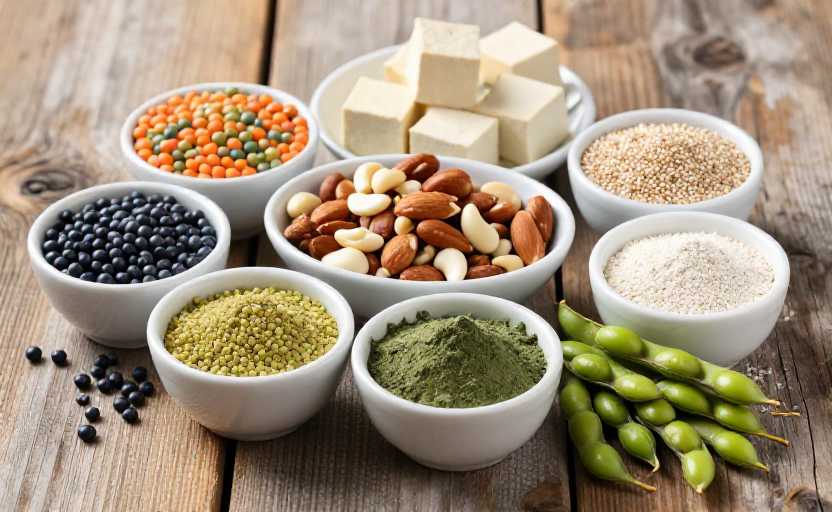
Compared with soft restrictions at the religious level, what you need to pay more attention to when going to Ireland to eat now is actually dietary restrictions at the individual level. Ireland is one of the countries with the highest food allergy rate in Europe. The proportion of people with gluten allergies, nut allergies, and lactose intolerance is much higher than in the country. Nearly 10% of people are vegetarians or vegans. The menus of local restaurants are specially marked with V (vegetarian), VG (vegan), GF (gluten-free) and nut allergy tips. If you go to a local's home, ask in advance "Are there any dietary preferences that I need to pay attention to?", which is more reliable than reading ten guides. Don’t think I’m being pretentious. I forgot to ask when I was at a company dinner and brought a cookie containing nuts to a colleague who was allergic. I almost sent him to the hospital. Now I’m scared to think about it.
In addition to the question of what to eat, there are also cultural minefields tied to food, which would be much more embarrassing than serving the wrong dish. The most taboo thing is to joke about the Great Potato Famine of 1845-1849. Don't say to others, "You couldn't even eat potatoes before, why do you still have potatoes every now and then?" The famine caused a loss of a quarter of Ireland's population. It is a pain engraved in the national memory. Even mentioning it half-jokingly can easily offend people. And don’t equate Irish food with British food. Last time I ate the Connemara mutton pie made by the host at a B&B in Galway, and casually said, “It tastes quite similar to the mutton pie I had in London.” The host’s face fell straight, and he kept telling me for half an hour that their sheep are free-range on the Atlantic Ocean, and they eat grass with sea salt, which is countless times better than those raised in captivity in the UK. In the end, I praised the pie three times in a row before rounding off the situation.
Many people also say that Irish people cannot discuss politics or work at the dinner table. In fact, there are no unified rules at all. Office workers at the docks in Dublin's Silicon Valley spend their lunch hours chatting about project progress, and traditional families on the Northern Ireland border will also talk about the dispute between republicans and unionists during dinner. It all depends on the occasion and how familiar you are with the other person. If you are really in doubt, just follow what other people are talking about. Don't just talk about sensitive topics like belonging to Northern Ireland and UK-Irish relations. Talking about it while talking over rice is more annoying.
In fact, to put it bluntly, Irish food taboos have never been rigid rules, but more about respect for individual choices and reverence for historical memory. If you really want to travel or interact with local people, ask more questions and observe the habits of the people around you, and you will basically not step into any trap. How can there be so many unified "rules" across the country?
Disclaimer:
1. This article is sourced from the Internet. All content represents the author's personal views only and does not reflect the stance of this website. The author shall be solely responsible for the content.
2. Part of the content on this website is compiled from the Internet. This website shall not be liable for any civil disputes, administrative penalties, or other losses arising from improper reprinting or citation.
3. If there is any infringing content or inappropriate material, please contact us to remove it immediately. Contact us at: