
Diet taboos after cervical cancer surgery
It is forbidden to eat gas-producing and indigestible foods before exhaust, food and health products containing exogenous estrogen are prohibited during the recovery period, and foods with high carcinogenic risks should be avoided throughout the entire period. There are no absolute "one-size-fits-all" taboos for the rest, and most of them can be flexibly adjusted according to your own circumstances.
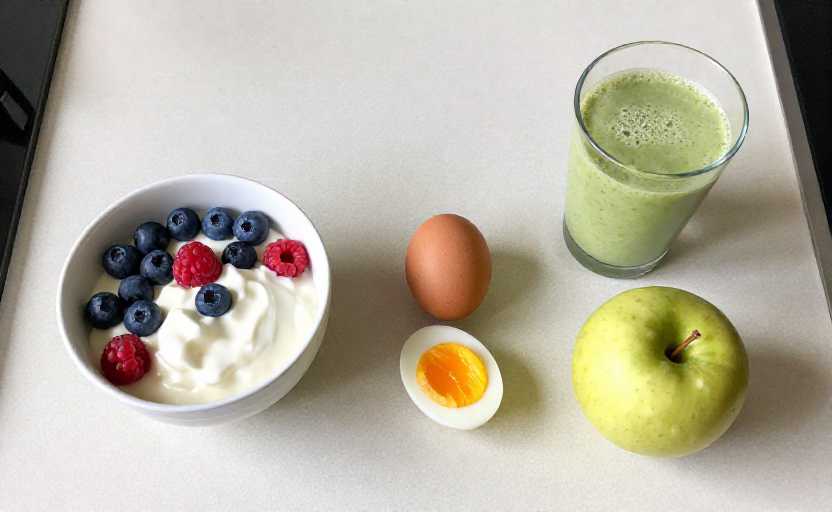
Last week, I met Sister Zhang in the outpatient clinic three days after her surgery. She came in bent over, holding her belly. When I asked her, I found out that her family felt that her vitality had been damaged by the surgery, so they sent her a stew of radish and beef brisket soup with American ginseng. She drank two large bowls of it. She had just passed some gas, but the swelling caused intestinal cramps and pain all night. This is a typical taboo in the first stage after surgery - in the first three days after surgery, when gastrointestinal motility has not recovered just after anesthesia, gas-producing foods such as radishes, soy products, and carbonated drinks, as well as foods such as beef brisket that are thick and fibrous and difficult to chew, will only cause blockage in the gastrointestinal tract, and may even cause intestinal obstruction in severe cases. At this stage, you can only eat residue-free liquids such as rice soup and lotus root starch, and then slowly add more food after the exhaust is smooth and defecation is normal.
Many family members are most concerned about "compensation", but they are prone to stepping into the second big pit. I have seen more than one patient who was afraid of recurrence after surgery and bought a bunch of health products that claimed to "beautify the skin and improve immunity." There were also people who stewed snow clams and royal jelly to replenish their bodies every day, but ended up with problems after eating. It is important to know that more than 90% of cervical cancer incidences are related to persistent infection with high-risk HPV, but there are also a small number of estrogen-dependent pathological types. If these patients consume a large amount of foods that clearly contain high exogenous estrogen, such as snow clams, royal jelly, and purple river cartons, they may stimulate the abnormal proliferation of remaining cells and increase the risk of recurrence. As for the "ovarian maintenance" and "surgery repair" health care products on the market with unknown ingredients, they should be directly banned. Most of them secretly add estrogen, which will cause no harm to them.
The most frequently asked question is "Can we eat hairy food?" In fact, there is no unified conclusion from Chinese and Western medicine on this point. There is no concept of "hair growth" in Western medicine. Beef and seafood are good sources of high-quality protein. As long as you are not allergic to them, eating some steamed seabass or lean beef a week after surgery can help the wound heal. However, from the perspective of traditional Chinese medicine, short-term qi and blood deficiency after surgery, dry or allergenic foods such as dog meat, mango, and durian, may aggravate the situation of internal heat and allergies. If you are usually prone to acne and allergies, there is nothing wrong with avoiding them in the first half month after surgery. You don’t have to worry about who to listen to. The most important thing is that you feel comfortable eating.
As for the long-term diet, it is actually similar to the requirements of ordinary anti-cancer diet. Moldy food, tobacco and alcohol, repeatedly fried fried dough sticks, and pickles that have been pickled for several years are clearly carcinogenic risks. If you can, avoid eating them. You should also eat less high-sugar and high-oil cakes and fatty meats to avoid gaining weight. After all, obesity is also a high-risk factor for many gynecological tumors. As for whether people can eat spicy food or drink iced drinks, there is really no need to be too harsh. I have a patient who is from Sichuan. He recovered very well during the review one month after the operation. To be honest, he couldn't bear to eat two bites of slightly spicy Maocai.
What I usually tell my patients the most is that post-surgery taboos are not a shackles on you. The core are two principles: don’t cause trouble to the gastrointestinal tract, don’t leave opportunities for lesions, and do whatever makes you happy. After all, eating well and living well are the best recovery medicines.
Disclaimer:
1. This article is sourced from the Internet. All content represents the author's personal views only and does not reflect the stance of this website. The author shall be solely responsible for the content.
2. Part of the content on this website is compiled from the Internet. This website shall not be liable for any civil disputes, administrative penalties, or other losses arising from improper reprinting or citation.
3. If there is any infringing content or inappropriate material, please contact us to remove it immediately. Contact us at: