
Nasopharyngeal cancer dietary taboos
What you absolutely cannot touch are tobacco, alcohol, and pickled/mouldy foods that clearly contain nitrosamines.; During radiotherapy and chemotherapy, foods that are too hot, too hard, and highly irritating must be strictly controlled. ; The remaining taboos on so-called "fat foods" and "cold foods" are currently controversial and can be flexibly adjusted according to personal physique and tolerance. There is no need to stick to rigid standards.
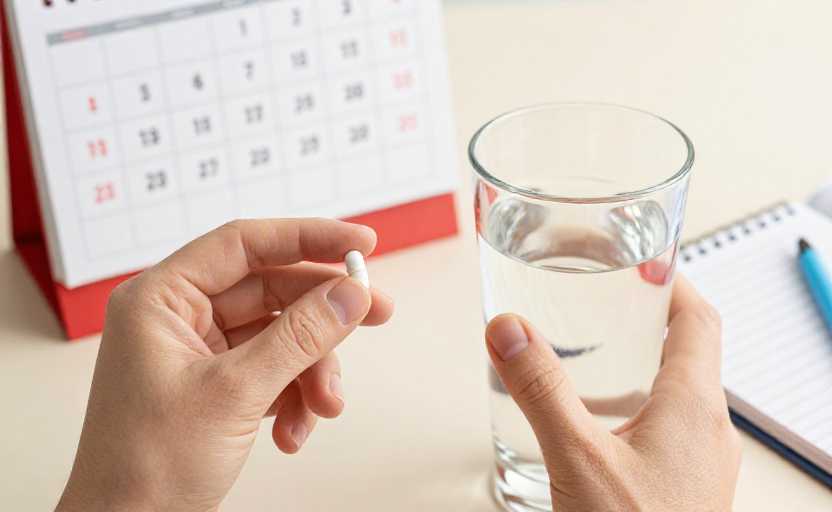
Let me start with the absolutely uncontroversial taboos. Last month during a follow-up visit in the radiotherapy department, I met an older brother who had just finished three cycles of chemotherapy. He secretly hid half a can of home-pickled dried radish under his pillow. When the nurse in charge caught him, he felt aggrieved and said, "Just take a bite to appetize." As a result, the oral mucosa immediately burst open the next day. It was so painful that I couldn't even swallow warm water. It took me three full days of nutrient solution to recover. If you think about it, in the pathogenesis of nasopharyngeal cancer, long-term intake of nitrosamines is a clear high-risk factor. Pickles, bacon, and moldy nuts contain either nitrosamines or aflatoxin, which are clear carcinogens. Healthy people should avoid exposure to them, let alone patients with disease themselves. Not to mention tobacco and alcohol. Both nicotine and alcohol will directly irritate the already fragile nasopharynx and oral mucosa. During radiotherapy, the mucosal barrier itself will be damaged. A single touch can easily cause large-scale infection and ulceration, which can cause pain to the point of being unable to eat, or delay the progress of treatment. This is a red line recognized by all doctors in the oncology, nutrition, and traditional Chinese medicine departments, and should not be touched at all.
As for the foods that are too hot, too hard, and highly stimulating to be avoided during treatment, it is not because they are afraid of causing cancer, but because they are afraid of causing chaos to an already overloaded body. Many family members were busy taking supplements as soon as they learned of the disease, fried deer tendons and stewed whole chickens. Little did they know that after about 10 rounds of radiotherapy, almost all patients would develop varying degrees of oral mucosal congestion and ulcers. In severe cases, they would even frown when swallowing. At this time, eating freshly cooked porridge, hard nuts, and heavy dishes sprinkled with chili peppers was simply a punishment. I have seen even more exaggerated cases. The family members were worried that the patient would not be nourished enough, so they specially gave them freshly fried crispy meat. The patient took one bite and directly scratched the ulcer on his cheek. He was in pain for three days and could not eat anything. In the end, he had to rely on intravenous nutrition to make up for it. In fact, during this period, if you air the food to below 40 degrees before eating, stew hard ingredients and break them into mince, and add less salt and less spicy, you can avoid a lot of sins.
Of the remaining controversial taboos, the one that people ask the most about is "fading things". The views of traditional Chinese medicine and Western medicine on this part are indeed different. Traditional Chinese medicine usually recommends that you avoid contact with "hairy foods" such as chicken, seafood, beef and mutton during treatment to avoid aggravating inflammation and inducing skin ulcers. ; But the view of modern nutrition is just the opposite. As long as you are not allergic to these foods, these are excellent sources of high-quality protein, which is much more useful than drinking a bunch of bone broth that only contains fat and purine. I once met an aunt who had been on dietary taboos for three months and only dared to eat white porridge and boiled vegetables. In the end, her albumin dropped to 28g/L, and even radiotherapy was forced to stop. Later, the nutrition department prescribed a diet of one egg, half a catty of milk, and half a steamed sea bass every day. In less than two weeks, the target was raised, and the treatment was successfully continued. In fact, there is no need to take a hard line. If you usually get rash easily if you eat shrimp or get angry if you eat mutton, then don’t touch it. ; If there is nothing wrong with eating normally, it is better to eat properly to supplement nutrition than to be hungry.
Raw and cold food is also very controversial. Many people say that ice must not be touched. However, I have also met several patients whose oral ulcers were so painful that they could not sleep. Taking a mouthful of popsicles or iced saline can relieve a lot of pain. Some people really want to eat two bites of iced watermelon in summer, but they feel no discomfort after eating it, and their appetite is much better. This all depends on personal feelings. If you feel comfortable after eating it and don’t have diarrhea or stomach pain, then eat a small amount. If you feel it is irritating and painful or has stomach discomfort after eating it, then don’t touch it. There is no rule that is universally applicable.
In fact, there is really no need to behave like an ascetic when you have nasopharyngeal cancer. The core of diet is never "don't eat this and don't touch that", but "eat as much as possible to get enough nutrients". Occasionally, if you are craving for something, as long as it is not an absolute taboo such as tobacco, alcohol, pickles, moldy food, etc., eat a few bites to satisfy your craving, and you will recover faster if you feel better. If you are really unsure, ask your bedside doctor or nutritionist directly, which is much more reliable than searching for random "folk taboos" on the Internet.
Disclaimer:
1. This article is sourced from the Internet. All content represents the author's personal views only and does not reflect the stance of this website. The author shall be solely responsible for the content.
2. Part of the content on this website is compiled from the Internet. This website shall not be liable for any civil disputes, administrative penalties, or other losses arising from improper reprinting or citation.
3. If there is any infringing content or inappropriate material, please contact us to remove it immediately. Contact us at:
