
Diet taboos for kidney crystals
The core dietary taboos for kidney crystals are never to give up certain types of food across the board, but to avoid the combination of "long-term eating large amounts of high-oxalate/high-purine/high-calcium foods + drinking less than 1500ml of water per day". At the same time, you should adjust the direction of taboos based on the specific type of your crystals. Blindly tabooing all foods may increase other health risks.
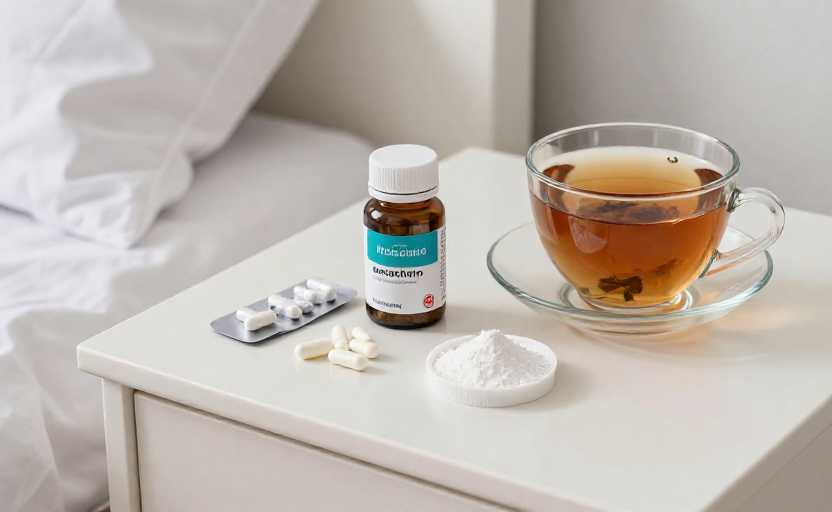
Not long ago, I helped a colleague at work to read the physical examination report. He had just found calcium oxalate crystals. When he got home, he threw away all the spinach and tofu in the refrigerator. He even stopped drinking a box of pure milk every day for three years. As a result, after three months of reexamination, the crystals did not disappear. He kept complaining of leg cramps and struggled to climb the third floor. It was a typical pitfall of "blindly avoiding all foods."
More than 80% of kidney crystals in clinical practice are of mixed type, with the most common type being calcium oxalate type, followed by uric acid type. The contraindications of different types are really different, so don’t just rely on the general list you can search online.
Take the high-oxalate foods that everyone is most afraid of. Traditional urology science conferences recommend strictly limiting the intake of high-oxalate foods such as spinach, amaranth, and nuts, and controlling the daily oxalate intake to less than 50 mg. However, in recent years, more and more clinical studies (including The 2021 edition of the "China Urolithiasis Diagnosis and Treatment Guidelines" also states that as long as you do not eat more than 200g of unblanched high-oxalate vegetables at one time, there is no need to quit completely. On the contrary, the dietary fiber and minerals in such vegetables are good for the body. After all, oxalic acid and calcium in food will combine in the intestines and stomach to form a precipitate that is difficult to absorb. It will not go to the kidneys to cause trouble. Instead, if you take a large dose of vitamin C supplements on an empty stomach and eat pure oxalic acid foods without calcium, you will really provide crystallized raw materials to the kidneys. I once saw a little girl take three 1000mg vitamin C effervescent tablets a day and drink unsweetened spinach juice every day to lose weight. She was found to have calcium oxalate crystals in two months. She came to me crying and asked me if she could never eat hot pot again. It was really dumbfounding.
After talking about the pitfalls of calcium oxalate, let’s talk about the mistakes often made by friends with uric acid crystals. Many people are diagnosed with high uric acid and crystallization, but they only know not to eat seafood or drink beer. In fact, if you eat simmered old fire soup for every meal, half a bowl of braised pork belly for every meal, and even like to drink iced milk tea with a lot of fructose syrup, excessive purine/fructose intake will still cause uric acid to spike and contribute to crystallization. Last time, a young man came for a review and said that he had not had beer or seafood for three months. Why was his uric acid still high? When I asked him, I found out that he ordered 2 cups of iced milk tea as water after get off work every day. Don't you think this is a sin?
There is also a rumor that has been circulating for a long time that you cannot eat tofu or drink milk if you have crystals. It is really unnecessary. Take northern tofu as an example. During the production process, the oxalic acid has been filtered out along with the yellow pulp water, and the calcium content is still high. Eating 200g in one meal will not only increase the risk of stone formation, but also help bind the oxalic acid in the intestines and stomach, making it safer. As for milk, 300ml a day is absolutely fine. I have seen many elderly patients during my follow-up visits. They stopped milking immediately after detecting crystals. As a result, they developed osteoporosis and fractured their bones in half a year. It was really not worth the loss.
Oh, by the way, don’t just remember what you can and cannot eat. Drinking water is the most important thing. Kidney crystals are like fine sand accumulated in the kidneys. If you drink about 2000ml of warm water every day, it is equivalent to "flushing the pipes" of the kidneys every day. Fine sand cannot be stored at all. If you drink less than 1000ml of water every day, even if you don't eat any high-risk foods, crystals will still precipitate in the urine if the concentration is too high.
In fact, to put it bluntly, the dietary taboos for kidney crystals are never a long list of taboos for you to follow. The key point is "don't overdo it, drink more water, and check the type." If you are really not sure what you should pay attention to, take your urine routine and crystal analysis report to a urologist to take a look. It is much more reliable than the "10 foods you must not eat" that you searched half-heartedly on the Internet.
Disclaimer:
1. This article is sourced from the Internet. All content represents the author's personal views only and does not reflect the stance of this website. The author shall be solely responsible for the content.
2. Part of the content on this website is compiled from the Internet. This website shall not be liable for any civil disputes, administrative penalties, or other losses arising from improper reprinting or citation.
3. If there is any infringing content or inappropriate material, please contact us to remove it immediately. Contact us at: