
Dietary taboos for patients with emphysema
The rest of the so-called "taboos" such as high-salt and heavy processed foods, excessive flatulence-producing foods, tobacco, alcohol, and highly irritating drinks are actually not as strict as what is reported online. Most of them can be adjusted flexibly according to your own tolerance. There is no need to follow the online list of taboos one by one, which will only result in loss of nutrition.
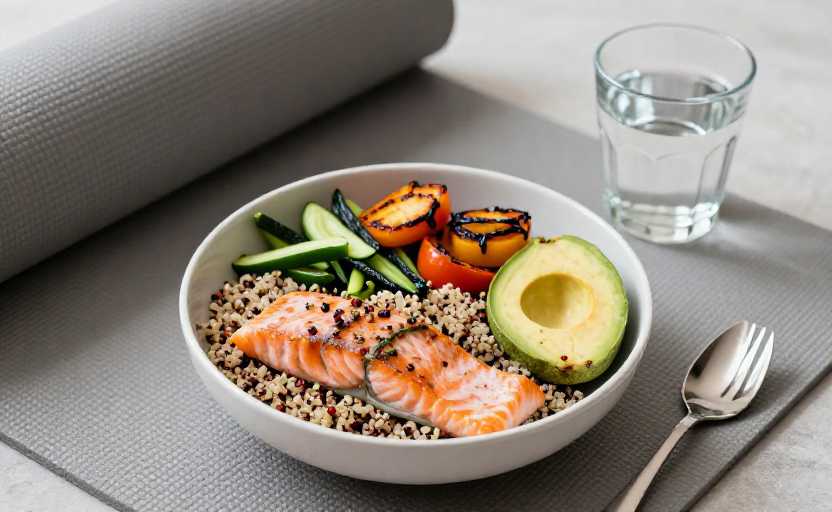
Last week, I met a 62-year-old Chen in the outpatient clinic. He has a history of emphysema for four years. Since autumn, he has always felt tightness in his chest due to breathing, and his lower limbs have been swollen for less than half a month. His lung function was not much worse than last time. After looking through his food diary, he found that his wife was worried that he would not have the appetite to eat pickled cucumbers and pickled radishes. His daily salt intake was more than three times the recommended amount. Think about it, if you eat too much salt, water and sodium will be retained, and the burden on the already fragile heart and lungs will directly increase. Swelling and asthma are inevitable. Oh, by the way, I would also like to mention the question of "can you eat seafood" that has been controversial for a long time? Many old guidelines say that emphysema requires a complete ban on seafood. In fact, as long as you are not allergic to seafood, eating some steamed seabass and prawns can supplement high-quality protein. It is much more nutritious than eating plain porridge all day long. As long as you add less salt and less spicy seasonings when cooking, there is really no need to kill them all.
Many people tend to ignore the impact of flatulence. I have seen many patients who coughed and couldn't straighten their backs after eating. When touched, their stomachs bulged like a full rubber ball. The diaphragm was pushed up so that it could not sink down, and the relaxation space of the lungs was directly squeezed out, making them naturally unable to breathe. For example, sweet potatoes, whole dried soybeans, carbonated drinks, and crude fiber vegetables that are difficult to chew are prone to this problem if you eat too much. However, this does not mean that you should not touch them at all. I have an old patient who likes to drink millet and sweet potato porridge. I add half a piece of sweet potato every time. After drinking it, there is no flatulence and smooth bowel movements. Then you can continue to eat it. Just control the amount. You don't have to insist on "no gas-producing foods".
There are also many family members who always feel that they need to take supplements when they are sick, stewing rock sugar, snow pear, and sweet white fungus soup every day. Some patients buy very sweet honey-refined cough syrup to drink when they cough. This is actually a misunderstanding. Excessive sugar will make phlegm become sticky and block the airways, making it difficult to cough out, and may easily induce infection. However, there are exceptions. If you have lost appetite and lost weight quickly during this period, it is perfectly fine to eat something sweet to replenish energy. As long as you don’t eat every meal and have a lot of phlegm after eating, you don’t have to worry too much.
Needless to say, tobacco and alcohol are not allowed to come into contact with each other. Even second-hand smoke and cooking fumes must be avoided as much as possible, let alone smoking on your own initiative. There is actually no need to completely ban the rest of the irritating foods such as strong tea, coffee, and chili peppers. I have met several patients from Sichuan and Chongqing who have been eating spicy food all their lives, and suddenly they stopped eating spicy food and couldn't even eat. As long as they don't cough or wheeze after eating, it's perfectly fine to add a little less to enhance the taste. It's better than being unable to eat and not being able to keep up with nutrition, right?
In fact, the dietary taboos for emphysema are never rigid. The core criterion is always "do you feel comfortable after eating?" Eat slowly during normal times, and don’t gulp down a lot of air while eating. If you’ve been out of breath recently, eat more soft foods. Don’t waste your energy and oxygen by chewing on hard bones or eating foods that are too strenuous. If you don’t feel uncomfortable, there is really no need to check the list of taboos on the Internet. After all, eating well and getting enough nutrition are the most basic foundation to withstand the pain.
Disclaimer:
1. This article is sourced from the Internet. All content represents the author's personal views only and does not reflect the stance of this website. The author shall be solely responsible for the content.
2. Part of the content on this website is compiled from the Internet. This website shall not be liable for any civil disputes, administrative penalties, or other losses arising from improper reprinting or citation.
3. If there is any infringing content or inappropriate material, please contact us to remove it immediately. Contact us at: