
10 things to note about the elderly’s diet
1. The rice should be fragrant. elderly The sense of taste and appetite are poor, and food often feels lacking in flavor and flavor. Therefore, when cooking meals for the elderly, you should pay attention to color, aroma and taste.
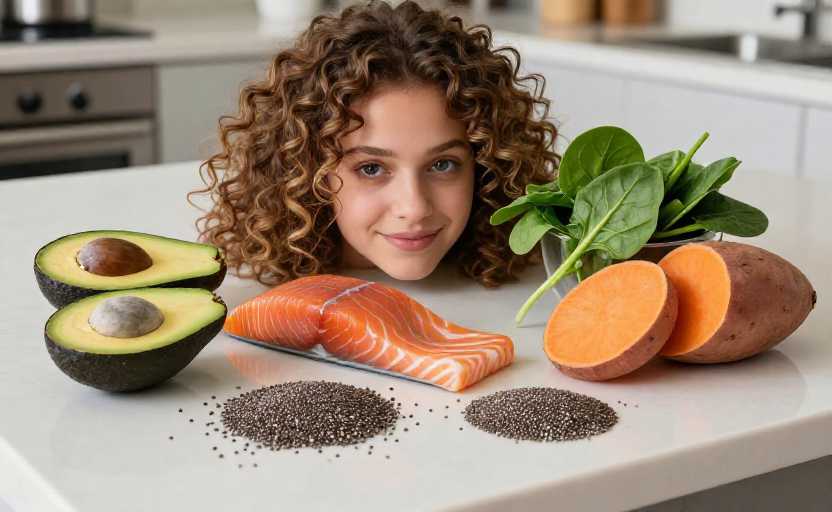
2. The quality should be good. The body metabolism of the elderly is mainly catabolism, so more protein is needed to compensate for the consumption of tissue protein. For example, eat more chicken, fish, rabbit, mutton, beef, lean pork and soy products. The protein contained in these foods is high-quality protein, rich in nutrients, and easy to digest.
3. The quantity should be small. Research shows that overeating is harmful to healthy It is harmful. The elderly should be 80-90% full at each meal, especially dinner.
4. Eat more vegetables. Fresh vegetables are healthy friends for the elderly. They are not only rich in vitamin C and minerals, but also have more fiber, which are good for cardiovascular protection and cancer prevention. constipate To play an important role, the daily intake of vegetables should be no less than 250 grams.
5. Food must contain protein, fat, sugar, vitamins, minerals and water, which are the six major nutrients necessary for the human body. These nutrients are widely present in various foods. In order to absorb nutrients in a balanced manner and maintain good health, you should eat a little of various foods. If possible, you should maintain about 10 kinds of main and non-staple foods every day.
6. Eat light food. Some elderly people are overweight. As everyone knows, eating too much salt will increase the burden on the heart and kidneys and easily lead to increased blood pressure. For health reasons, the elderly should generally eat 6-8 grams of salt per day.
7. Eat rotten meals. Elderly people often have loose and falling teeth, weakened masticatory muscles, reduced secretion of digestive juices and digestive enzymes, and reduced gastrointestinal digestion function. Therefore, the food should be made softer and rotten.
8. Eat fruits. Various fruits are rich in water-soluble vitamins and metal trace elements. These nutrients play a great role in maintaining the pH balance of body fluids. To stay healthy, eat some fruit after every meal.
9. Eat hot food. Elderly people have poor resistance to cold. Eating cold food can cause vasoconstriction in the gastric wall, reduce blood supply, and reflexively reduce blood circulation in other internal organs, which is detrimental to health. Therefore, the diet of the elderly should be slightly hotter and more palatable.
10. Eat slowly. Some elderly people are accustomed to eating fast food and swallowing it without chewing it completely, which is harmful to their health over time. Chew food carefully and slowly to reduce the burden on the gastrointestinal tract and promote digestion. In addition, eating slowly can also easily lead to a feeling of fullness, preventing overeating and affecting your health.
Disclaimer:
1. This article is sourced from the Internet. All content represents the author's personal views only and does not reflect the stance of this website. The author shall be solely responsible for the content.
2. Part of the content on this website is compiled from the Internet. This website shall not be liable for any civil disputes, administrative penalties, or other losses arising from improper reprinting or citation.
3. If there is any infringing content or inappropriate material, please contact us to remove it immediately. Contact us at: