
Diet taboos after transplantation
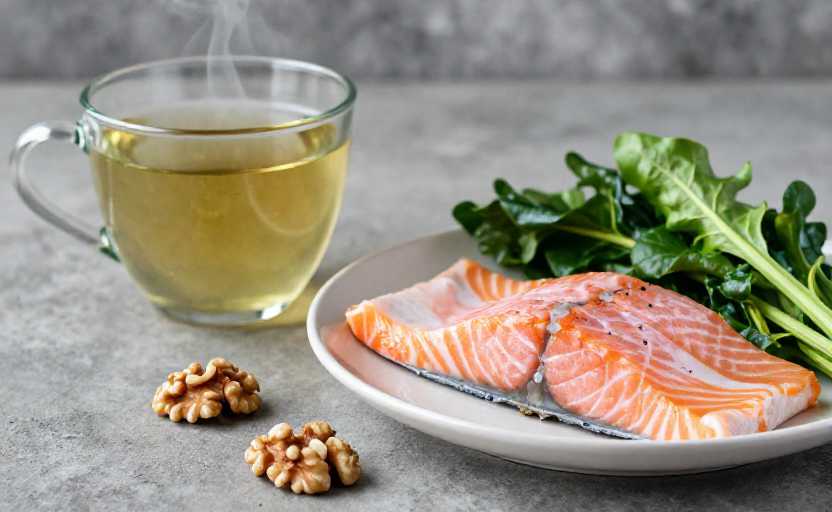
There is no uniform fasting list across the entire network after transplantation. The core principles are "clean and fresh, avoid drug conflicts, and individualized adjustments." The only general absolute taboos are incompletely cooked foods with high risk of infection and foods/supplements that clearly affect the metabolism of immunosuppressants. The remaining taboos must be adjusted flexibly based on the type of transplantation, postoperative duration, rejection status, and the attending doctor's instructions. There is no need to blindly follow the trend of strict taboos that lead to insufficient nutritional intake.
The last time I went to the follow-up area of the transplant department to find a friend, I bumped into an aunt who asked the doctor with a two-page handwritten list of taboos. She said that three months after the operation, she didn’t even dare to let go of vinegar. She only ate boiled vegetables and steamed lean meat every day. The albumin was as low as 32 during the follow-up test. The doctor slapped her face and said, "If you continue to eat like this, you will collapse from malnutrition before you get infected." In fact, there are all kinds of taboo statements on the Internet. The essence is the differences in diagnosis and treatment habits in different eras and different centers. There is no absolute right or wrong, but it only applies to different groups of people.
In the early years, transplantation technology was not so mature, the dosage of immunosuppressants was too high, and infection-related mortality was high. Many established centers would follow the "strict prevention and control" route, requiring one year or more after surgery, and completely avoiding cold, cold, salad, takeaway, tropical fruits, and all spicy foods. Only salt is allowed in irritating foods and even seasonings. The starting point of this requirement is "I would rather kill the wrong than let go" to minimize the risk of infection and rejection. It is still suitable for patients in the early postoperative period, with a history of rejection, and with high concentrations of immunosuppressants. In recent years, as the precision adjustment technology of immunosuppressants has become more and more mature, many centers have begun to implement the idea of "individualized relaxation". As long as the patient's concentration is stable within the safe range 3-6 months after surgery, there is no rejection reaction, and the autoimmunity gradually recovers, and on the premise of ensuring that the ingredients are fresh, fully processed, and hygienic standards are met, the patient can gradually relax their diet. After all, long-term consumption of bland boiled vegetables will lead to insufficient nutritional intake, which will drag down immunity and be detrimental to long-term survival.
No matter which diagnosis and treatment idea you follow, there are two types of minefields that are recognized throughout the industry and should never be touched.
The first category is all food that has not been cooked thoroughly, including sashimi, drunken shrimp and drunken crab, soft-boiled eggs, medium-rare steaks, not to mention uncooked green beans, uncooked day lilies, and even washed cold dishes that have not been scalded in boiling water. Try not to touch them. Ordinary people who are infected with Listeria and Salmonella may have diarrhea in two days. Transplant patients who take immunosuppressive drugs for a long time can easily develop sepsis after taking immunosuppressants for a long time. I have seen a young man who was 8 months after a kidney transplant in a patient group. He was greedy and ate a bite of raw pickled shrimp brought by a friend. He stayed in the ICU for 22 days and spent 170,000 yuan. He almost failed to save his life. There is really no need to take this risk.
The second category is foods and supplements that will clearly interact with immunosuppressants. The most typical ones are grapefruit, star fruit, and Seville oranges. The furanocoumarins in these fruits will inhibit the CYP3A4 enzyme of the liver that metabolizes drugs, causing the concentration of immunosuppressants in the body to suddenly increase several times. In mild cases, side effects such as hand tremors and increased creatinine may occur, and in severe cases, it may induce liver and kidney damage. There are also supplements such as ginseng, Ganoderma spore powder, and royal jelly that claim to "improve immunity." Don't take them blindly. You take immunosuppressants to suppress your immunity and avoid rejection. If you supplement your immunity randomly, you may directly induce rejection. If you really need to take any supplements, ask your doctor in advance, and don't listen to the lies of health supplement sellers.
The remaining "semi-taboos" that are the most controversial among everyone actually all depend on personal circumstances.
For example, can I eat takeout? Some centers say you should not touch it for a lifetime, while others say you can eat it occasionally for a year after the operation. The key depends on what you order. If it is a fully cooked hot food from a large chain store, it will still be steaming when you get it. Patients who have a stable concentration for more than a year after the operation are perfectly fine to eat it once in a while to satisfy their cravings. However, do not touch takeout from small workshops, or cold food such as salads, sashimi, and cold noodles at any time. Another example is whether you can eat cold fruits? Many elderly people insist on steaming and heating fruits before giving them to patients. In fact, it is completely unnecessary. Ordinary fruits that have been kept at room temperature for half an hour, washed and peeled, can be eaten directly as long as you do not have diarrhea. Steaming and heating will destroy the vitamins. Of course, it is better not to touch iced watermelons and iced grapes just taken out of the refrigerator in the first half year after surgery. They are too cold to stimulate the gastrointestinal tract and may cause diarrhea. Can I eat spicy food? As long as you have a habit of eating spicy food, and you have no oral ulcers or gastrointestinal rejection after surgery, it is perfectly fine to add some chili peppers to enhance the flavor. You don’t have to give up completely. I know a liver transplant patient in Chongqing who started cooking mildly spicy hot pot at home six months after the surgery. He cooked all the dishes for more than 10 minutes, and his indicators were very good every time he checked. On the contrary, many patients who completely avoid spicy food and eat boiled vegetables every day cannot eat because they have no appetite, lose a lot of weight, and recover slowly.
I have helped many post-transplant family members sort out dietary lists, and found that the most useless ones are the general lists that list dozens or hundreds of "not to eat" items. The most practical thing is actually a small notebook. Every time you eat something new, write it down. If you feel uncomfortable, have diarrhea or get a rash after eating it, don't touch it next time. Everyone’s physique is different. You may be allergic to something that others are fine eating, and you may be allergic to something that others cannot touch. You really don’t need to compete with your fellow patients to see who has stricter food taboos. The most reliable person is always your attending doctor. Asking you about what you have eaten recently and what you want to eat during each review will be more accurate than the answers you can get from searching the Internet for three days.
In fact, after transplantation, food taboos are only one aspect. Eating happily and keeping up with nutrition are the core of recovery. Don't make eating every day like a torture just for the sake of food taboos. A bad mood will affect your immunity, and the gains outweigh the losses.
Disclaimer:
1. This article is sourced from the Internet. All content represents the author's personal views only and does not reflect the stance of this website. The author shall be solely responsible for the content.
2. Part of the content on this website is compiled from the Internet. This website shall not be liable for any civil disputes, administrative penalties, or other losses arising from improper reprinting or citation.
3. If there is any infringing content or inappropriate material, please contact us to remove it immediately. Contact us at: