
Sleep health science knowledge
The core criterion for judging whether sleep is healthy has never been "sleeping enough for 8 hours", but whether you are energetic throughout the day after waking up and do not feel persistently tired. As long as the daily sleep duration for adults is within the range of 6-10 hours and conforms to their own long-term rhythm, it falls into the category of healthy sleep.
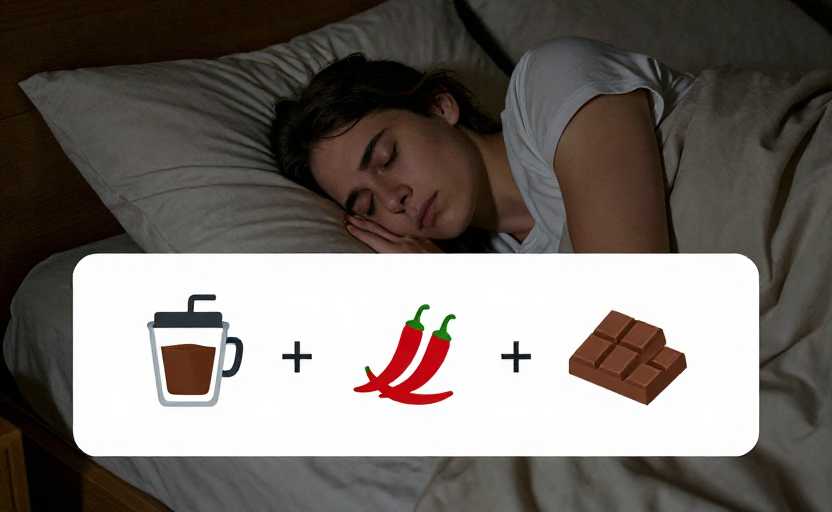
Last month, I met a 28-year-old Internet operator at a sleep specialist clinic. The girl cried when she entered the door, saying that she had suffered from insomnia for three consecutive months and had lost nearly 10 pounds of hair. After asking, I found out that she had always been used to sleeping 7 hours a day. At the beginning of the year, she read a health blogger who said that "adults who don't sleep for 8 hours are chronic suicides." So she forced herself to go to bed an hour earlier every day.
To be honest, I encounter cases like this almost every week. Most people’s anxiety about sleep is frightened by the unified “health standards”. Regarding the issue of work and rest rhythms, research conclusions in different fields have always been different: Traditional Chinese medicine theory has always advocated taking a "midday nap". It is believed that 23:00 to 3:00 am is the golden period for liver and gallbladder detoxification and organ repair. Staying up late for a long time will deplete qi and blood. ; However, a large-sample tracking study of modern sleep medicine shows that as long as you can maintain a long-term and stable schedule - for example, going to bed at 2 a.m. and getting up at 10 a.m. for six months in a row, without chest tightness, fatigue, or lack of concentration after waking up, then this rhythm is completely healthy for you, and you cannot force yourself to go to bed early and get up early, which will disrupt your biological clock.
Having said this, someone must ask, if I often lie awake for more than half an hour without falling asleep, is this considered insomnia? In the current common clinical diagnostic standards, "fall asleep latency exceeding 30 minutes" is indeed regarded as one of the indicators of insomnia, but there is really no need to check it. When I was working on a project, I would change the data every day for a week before going to bed. I would turn off the computer and lie down in bed while my brain was still running regression models. Sometimes I couldn't fall asleep even after lying down for 40 minutes. To put it bluntly, this situation means that the brain has not yet recovered from the excitement state. It is not considered a disease at all. If you lie down just after watching an hour of funny short videos or playing an intense ranked match, it would be strange for you to fall asleep quickly.
Many people want to buy sleep-aid products when they can't fall asleep. Here is the bottom line: melatonin is not a miracle drug. The European and American Sleep Medicine Association does recommend short-term consumption of 0.5-1mg small doses of melatonin when you are jet lag, which can help adjust the rhythm. However, if it is taken by patients with long-term primary insomnia, most current clinical studies show that the effect is not much different from placebo. Long-term high-dose consumption may affect one's own melatonin secretion and aggravate the disorder. There are also many people who believe that wild jujube kernels can help with sleep. This is indeed a commonly used soothing herb in traditional Chinese medicine. However, syndrome differentiation is also required. If you suffer from insomnia caused by strong liver fire, upset and irritability, eating wild jujube kernels will easily cause internal heat and will not be effective. It is better to soak some chrysanthemum and wolfberry and drink it.
A few days ago, a 62-year-old man came to consult and asked if he woke up after sleeping for 5 hours a day. Is there something wrong with his body? I asked him if he had this routine when he was a teacher before retiring. He said yes, he woke up at six o'clock on time every day for decades, walked around to buy groceries and take care of his grandchildren, and he was not sleepy all day long. Is there a problem with this? This is a typical age-related shortening of sleep duration. There are also a small number of people who are born short sleepers with genetic mutations. They only need 4-6 hours of sleep a day to meet their energy needs. They account for 1% to 3% of the population. People are born to sleep two hours less than others, and lying down for those two extra hours is pure misfortune.
In fact, after all is said and done, the most taboo thing about sleep is "just follow the standard answers". Your own physical feelings are always more reliable than the one, two, three or four standards listed on the Internet. If you really can't sleep well for more than two weeks in a row, can't feel motivated to do anything during the day, or even have headaches and memory loss, don't just take sleep-aid products on your own. Go to the sleep clinic of a regular hospital to register for a sleep monitoring, which is better than anything else.
Disclaimer:
1. This article is sourced from the Internet. All content represents the author's personal views only and does not reflect the stance of this website. The author shall be solely responsible for the content.
2. Part of the content on this website is compiled from the Internet. This website shall not be liable for any civil disputes, administrative penalties, or other losses arising from improper reprinting or citation.
3. If there is any infringing content or inappropriate material, please contact us to remove it immediately. Contact us at:
