
Diabetes Care Education
The core of diabetes care is never to copy the "universal sugar control list" on the Internet, but to customize an individualized six-in-one management plan of "diet, exercise, blood sugar monitoring, standardized medication, emotional regulation, and complication screening" based on one's age, disease course, complications, and living habits. There is no unified standard that applies to everyone. A plan that can be adhered to for a long time and maintain stable blood sugar standards is a good plan.
Don’t believe it. Last week, I received a 56-year-old Aunt Zhang from the outpatient clinic. She was diagnosed with type 2 diabetes for half a month. She heard from an old diabetic friend in the community that she should “cook vegetables every day and walk 10,000 steps a day.”
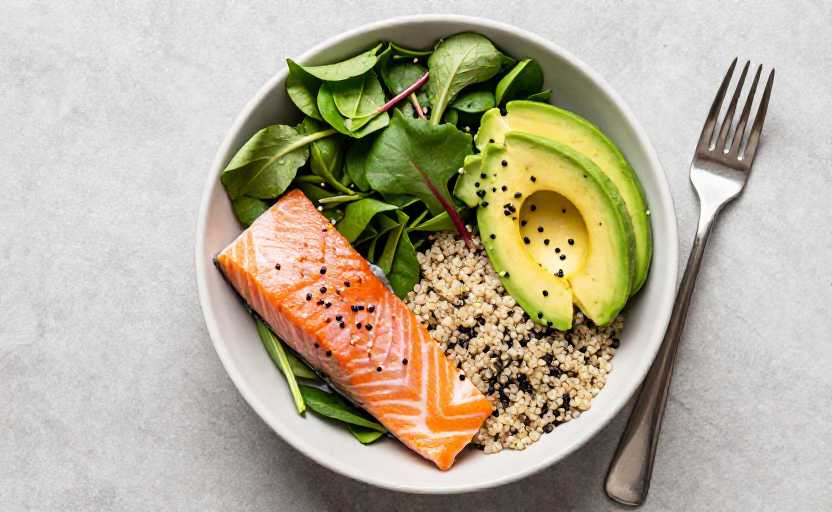
Speaking of which, some people may want to ask, is the statement on the Internet that "diabetics should never eat white rice and white noodles" completely wrong? No, the current academic circles have different opinions on the direction of sugar control diet: those who support low-carb or even ketogenic diet believe that strictly limiting carbohydrate intake for 3-6 months in the short term can quickly lower blood sugar, lose weight, and reduce the burden on damaged pancreatic islet cells. ; The other group recommends a balanced dietary pattern, believing that long-term insufficient carbohydrate intake will increase the risk of ketoacidosis, B vitamin deficiency, and kidney function damage. Moreover, most people simply cannot bear to go without staple food for a long time. Once they rebound, blood sugar will fluctuate even more. In clinical practice, we generally only give short-term low-carb trials to people with diabetes who are under 60 years old, have normal liver and kidney functions, no complications, and strong self-control. Most people are still more suitable for a balanced combination of cereals, potatoes, eggs, milk, meat, and vegetables, and a glycemic index (GI) control plan - like the recipe we later prepared for Aunt Zhang, half a cup of soy milk and a vegetable bag in the morning , a small plate of cold spinach, a fistful of multigrain rice, a palmful of fried chicken breast, and two fistfuls of stir-fried lettuce at noon. If she was hungry in the afternoon, she could eat half an apple instead of eating bland boiled vegetables. She came back for a follow-up checkup in the past half month, and the results were 5.8mmol/L on an empty stomach and 7.2mmol/L 2 hours after a meal. She felt much more energetic.
The same goes for exercise. The more the better, and there is no hard rule that “you must exercise in the morning” or “you must walk after a meal.” There used to be a 62-year-old Li who took premixed insulin and ran 5 kilometers on an empty stomach every day. He fainted on the side of the road twice and didn't take it seriously. Later, his family persuaded him to change the plan to a slow walk for 20 minutes an hour after each meal. His blood sugar was not stable. And people with diabetes who have diabetic foot disease, please don’t just join in the excitement of “10,000 steps a day”. There was an old person with diabetes who had a shallow ulcer on his foot and still walked every day. It was so bad that he almost had to have his leg amputated. Later, he changed it to sitting and moving his ankle and doing upper limb stretching for 30 minutes every day. His blood sugar did not jump and the ulcer gradually healed. If you really don’t know what kind of exercise is suitable for you, go for a complication screening first. It is more reliable to listen to the doctor than to listen to your neighbor.
As for blood sugar monitoring, don’t just focus on the fasting blood sugar number. Many people think everything is fine if the fasting blood sugar test is normal. In fact, blood sugar needs to be measured 2 hours after a meal, before going to bed, or even at 3 a.m. when it’s time to test. For example, if someone has high fasting blood sugar, it may be a Sumuji reaction triggered by low blood sugar the night before, or it may be a dawn phenomenon caused by excessive secretion of glucagon hormone in the early morning. The two situations are handled in completely opposite ways. Adding medication randomly will only make things worse. Nowadays, many people are confused about whether the dynamic blood glucose meter is accurate. In fact, there is no need to compete: the advantage of the dynamic blood glucose meter is that it can detect invisible blood sugar fluctuations, which is suitable for people with diabetes who often have low blood sugar and take insulin. Fingertip blood measures real-time blood sugar, which is suitable for daily routine monitoring. The two are complementary, and no one can replace the other.
There are actually more controversies in medication. For example, if a patient with newly diagnosed type 2 diabetes has a fasting blood sugar exceeding 11.1mmol/L, some scholars advocate short-term intensive insulin treatment for 2-4 weeks to allow the pancreatic islet cells to fully rest. In the future, it may even be possible to stop taking the medication and control sugar through lifestyle alone.; The other group believes that oral medication combined with life intervention can be tried first to prevent patients from becoming resistant to insulin and not cooperating with treatment. In clinical practice, we usually have a thorough chat with the patient first. If he does not object to injections and his blood sugar is obviously high, we will give priority to the intensive plan. ; If you are particularly afraid of needles and your blood sugar level is not high, it is perfectly fine to try oral medication first. But there is one thing that all doctors agree on: You must not reduce or stop taking medicine privately just because your blood sugar is normal. Many people fall into this pit, and their blood sugar rebounds to even higher than before.
Let me talk about a point that many people ignore: the impact of emotions on blood sugar is much greater than you think. I once took care of a 28-year-old girl who cried every day when she was first diagnosed with diabetes. She was afraid of complications and afraid of others knowing. She didn’t dare to eat too much and couldn’t sleep well. Her blood sugar fluctuated more frequently than that of a person who eats and drank too much. Later, I showed her several cases of diabetes patients in their eighties who had been controlling their sugar for 30 to 40 years without complications. She gradually relaxed and started eating and exercising according to the plan, and her blood sugar stabilized quickly. There is really no need to regard diabetes as a scourge. Don’t take it seriously and don’t overeat it, and don’t push yourself too hard and worry every day. In fact, the gain outweighs the loss.
Last week when my tutor was out in the clinic, he said to the newly graduated graduates: "When we educate people with diabetes, don't always hold a manual. Aunt Zhang has bad teeth, so it's unrealistic to ask her to chew hard cereals every day. Lao Li has to send his grandson to school in the morning, and it's impossible to ask him to do an hour of morning exercise every day. Only methods that can fit people's lives are really useful." ”To be honest, diabetes is a chronic disease that requires you to deal with it for a lifetime. There is no 100% perfect care plan. Slowly understand your body's rhythm and coexist peacefully with it, and you can still live a good life comfortably.
Disclaimer:
1. This article is sourced from the Internet. All content represents the author's personal views only and does not reflect the stance of this website. The author shall be solely responsible for the content.
2. Part of the content on this website is compiled from the Internet. This website shall not be liable for any civil disputes, administrative penalties, or other losses arising from improper reprinting or citation.
3. If there is any infringing content or inappropriate material, please contact us to remove it immediately. Contact us at: