
Mesenteric lymphadenitis dietary taboos
Avoid foods that irritate the gastrointestinal mucosa, foods that aggravate digestion, and foods that easily induce intestinal spasms. The recovery period can be gradually relaxed, but it is still necessary to avoid long-term high-oil and high-sugar diets to reduce the risk of recurrence.
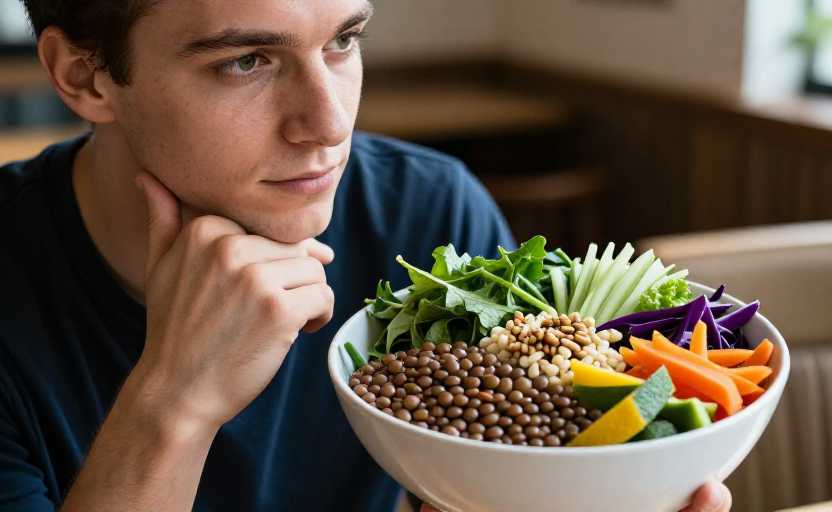
Last week I met a 7-year-old boy in the outpatient clinic. When his parents helped him in, he couldn't straighten his waist and his face was as white as paper. When he asked, he learned that the midterm exam had just ended the day before. His parents rewarded him with a fried chicken set meal and fruit tea with ice. When he got home at night, he started to have periumbilical pain and vomited twice. A B-ultrasound showed that the largest mesenteric lymph node was 1.2cm, which is a typical acute attack. Coincidentally, this child had just had it 3 months ago. After it was cured, the parents stopped caring about his diet. This time, it was completely a relapse due to food.
Many people's first reaction is to take supplements when they are sick, especially when their children complain that they have stomachaches and have no energy, so parents turn around and cook bone soup or old hen soup, thinking that supplements will help them get better quickly. Don't do this. The dissolved fat content in these thick soups is particularly high. The intestinal wall is already in a state of edema during the attack, and the ability to digest fat is directly reduced. Eating it will increase the burden of gastrointestinal peristalsis, stimulate the contraction of swollen lymph nodes, and the pain will only become more intense. I met a parent last month. His child was given a bowl of greasy pigeon soup just after he had recovered from the pain for a long time. The same night, the child was in so much pain that he went to the emergency room again, suffering twice in vain.
When it comes to the controversy over taboo foods, the most frequently asked question is whether milk can be drunk. There are currently two different clinical recommendations: one group believes that if you are not lactose intolerant, drinking warm milk will not cause irritation and can supplement protein, so you can drink it. ; Another school of thought believes that the intestinal digestive function is weak during the attack period, and milk is a macromolecular and high-protein food, which can easily cause flatulence and worsen discomfort. It is recommended to stop taking it for 3-5 days and then gradually add it back. I usually advise patients to judge based on their usual situation. If drinking milk usually makes the stomach bloated and farting a lot, then avoid it during the attack period and switch to warm millet porridge. If there is no reaction to drinking milk, it is okay to drink a cup of warm milk or less. There is no need to be dogmatic.
Another common misunderstanding is that "nothing cold can be touched", and even fruits at room temperature are not allowed to be eaten. In fact, there is really no need to be so extreme. What you need to avoid is food with a temperature lower than 10°C, such as iced drinks, iced fruits, and ice cream just taken out of the refrigerator. Such food will directly stimulate the intestinal wall and cause intestinal spasm. The pain can be really fatal. However, eating a small amount of apples, oranges, and strawberries that have been brought to room temperature to supplement vitamins will help recovery. If you are afraid of cold, you can steam them into fruit soup. There is no need to completely blacklist fruits.
Oh, by the way, let’s not just talk about children. Many adults can also suffer from mesenteric lymphadenitis. Many young people think that they can handle it when they are young, and they eat hot pot and spicy hot pot all the time during the attack. They are really asking for their own trouble. Capsaicin will directly irritate the edematous intestinal mucosa, which will not only aggravate the pain, but may also prolong the course of the disease. It should be cured in 3 days, but it may drag on for a week.
Many people also ask whether they should avoid the so-called "fawu"? Such as seafood, beef and mutton, etc. In the traditional Chinese medicine system, it is usually recommended to avoid such hair products during an attack to avoid aggravating the inflammatory reaction. ; There is no concept of hair loss in Western medicine. As long as you are not allergic to these foods when eating them, use less oil and spicy seasonings when cooking, and cook them softer, you can eat them normally during the recovery period. However, complete taboos may lead to insufficient nutritional intake and slow down recovery. The compromise advice I usually give is: If you are allergic, and eating seafood, beef and mutton will easily cause rashes and diarrhea, then avoid the attack period for 1-2 weeks. If you have no reaction to anything you eat, there is no need to specialize in food taboos. It is okay to eat a small amount.
In fact, after all, the dietary taboos of this disease really don't have so many rigid rules. The core principle is to "reduce" the burden on the gastrointestinal tract and don't add to it. In the first two or three days of the attack, try to eat something warm and soft that is easy to digest. After the pain subsides, slowly resume a normal diet. Don't eat all kinds of food as soon as you feel better. You will most likely recover smoothly and will not relapse easily. If you are really not sure whether something can be eaten, try taking two bites less. Eat it if you feel no discomfort after eating it. If the pain worsens after eating, avoid it next time. After all, everyone has different gastrointestinal tolerance, and the one that suits you is the right one.
Disclaimer:
1. This article is sourced from the Internet. All content represents the author's personal views only and does not reflect the stance of this website. The author shall be solely responsible for the content.
2. Part of the content on this website is compiled from the Internet. This website shall not be liable for any civil disputes, administrative penalties, or other losses arising from improper reprinting or citation.
3. If there is any infringing content or inappropriate material, please contact us to remove it immediately. Contact us at: