
Diet taboos for cervical cancer
Substandard health products that illegally add estrogen, moldy food, and any alcoholic beverages. The rest of the "you can't eat hairy food", "you can't drink soy milk" and "you can't touch sweets" spread on the Internet are mostly over-exaggerated rumors. Whether you should avoid these foods or not depends entirely on your physical condition. There is no unified standard answer.
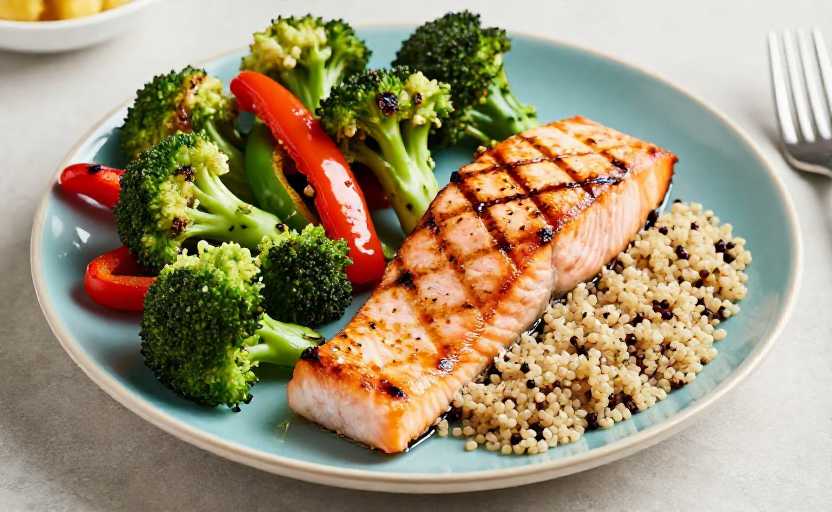
I have been in the gynecology clinic for almost ten years and have seen too many patients who have become malnourished due to dietary restrictions. What impressed me the most was an aunt who had just had a conization surgery last year. She was reviewing a list of taboos that she found from an unknown health care account. Even eggs and tofu were included in the category of "fat foods." She lost eight pounds in three months, and her immunity was so low that she almost caught a cold and affected subsequent treatment. It made people laugh and cry.
When it comes to the estrogen-related taboos that everyone is most worried about, the most common ones are various supplements of unknown origin. There was a patient who heard from his best friend that he should eat bird's nest to replenish his energy and blood after surgery. He bought a bottle of ready-to-eat bird's nest for tens of dollars for a cheap price. After two months of eating, a review found that the estrogen level had risen above the safety line. Only later did he find out that the bird's nest had been illegally added with artificial estrogen. Here we also need to talk about the different views in the industry: Traditional Chinese medicine does believe that a small amount of regular natural bird's nests and snow clams can replenish qi and blood, but Western medicine is more worried about the source of such products, especially the snow clams themselves contain high animal estrogens. No matter which school of doctors, they do not recommend that patients eat large amounts for a long time. As for the more widely spread "you cannot drink soy milk", it is completely nonsense - the isoflavones in soybeans are two-way regulated phytoestrogens. Not only will they not increase the level of estrogen in the body, but they can help stabilize endocrine. Drinking one cup every day is completely fine.
Let’s talk about the most controversial issue of “fading things”. In the traditional Chinese medicine system, it is indeed recommended that patients with unhealed postoperative wounds and undergoing radiotherapy and chemotherapy temporarily eat less hot and irritating foods such as mutton, lychees, and spicy hot pot to avoid discomfort such as wound redness, constipation, and oral ulcers. However, from the perspective of Western evidence-based medicine, these foods themselves are not carcinogenic, but are rich in high-quality protein and trace elements. As long as you do not suffer from internal heat or allergic reactions, you can eat them normally. I once had a patient who really wanted to eat Chongqing hot pot during chemotherapy, but her family members stopped her. She secretly ran out to eat a spicy meal, and she came back in a very good mood. The subsequent chemotherapy reaction was much lighter than before. As long as she didn’t feel gastrointestinal discomfort after eating, there was really no need to hold it in too much.
Of course, there are red lines that really need to be adhered to. The first is moldy food, whether it is steamed buns with moldy spots, rotten fruits with bad parts cut off, or self-pressed peanut oil that has been stored for several years. The aflatoxin contained in it is a clear first-level carcinogen. Even if there is no cervical cancer, ordinary people should try not to touch it. Then there is any alcoholic beverage, whether it is medicinal wine, postpartum wine, or low-alcohol beer or fruit wine that is said to be healthy, alcohol will damage the mucous membrane, reduce immunity, and may interact with chemotherapy drugs and targeted drugs to affect the efficacy of the drug. You really should not touch this. If you are taking targeted drugs, you should also avoid grapefruit and grapefruit juice. The furanocoumarins in them will inhibit liver metabolic enzymes, causing the drugs to accumulate in the body, which will either cause side effects or reduce the efficacy. This is a consensus in the industry and is not controversial.
As for the high-sugar and high-fat foods that everyone is struggling with, they are not completely untouchable. During chemotherapy, the mouth feels bitter and astringent. A mouthful of iced milk tea and half a bottle of Magnum can instantly relieve the uncomfortable feeling. I often tell patients to buy a small portion to satisfy their cravings, as long as they are not eaten all at once. After all, obesity caused by long-term high sugar and fat will indeed increase estrogen levels in the body and increase the risk of recurrence. It is perfectly fine to relieve the addiction occasionally. Also, if you have problems with radiation enteritis or oral ulcers during radiotherapy and chemotherapy, just avoid eating sugar cane that is too hard, whole grains that are too rough, or food that is too spicy for the time being. When your body recovers after treatment, you can still eat it. It does not mean that you have to avoid these foods for the rest of your life.
In fact, to put it bluntly, there are really not so many restrictions on the diet of cervical cancer patients. Don’t make yourself afraid to eat this or touch that. Staring at the list and counting calories every day will only make you upset. The core principles are: don’t eat unclean foods, don’t touch supplements with random added ingredients, and follow your body’s feelings during treatment. Eating that is comfortable and nutritious is better than anything else.
Disclaimer:
1. This article is sourced from the Internet. All content represents the author's personal views only and does not reflect the stance of this website. The author shall be solely responsible for the content.
2. Part of the content on this website is compiled from the Internet. This website shall not be liable for any civil disputes, administrative penalties, or other losses arising from improper reprinting or citation.
3. If there is any infringing content or inappropriate material, please contact us to remove it immediately. Contact us at: