
Diet taboos for girls during menstruation
It is clear that alcoholic drinks, foods that can cause gastrointestinal discomfort/allergy, ice drinks/ice food with a temperature below 10°C, and other statements on the Internet such as "cannot eat spicy food, cannot touch coffee, cannot eat mango" have no unified universal standards, and can be adjusted according to one's own feelings.
A while ago, I accompanied my best friend who had dysmenorrhea to see a gynecologist. The doctor specifically emphasized to us that alcohol is a minefield that we should avoid completely. The activity of anti-hangover enzymes in women during menstruation will be about 30% lower than usual. Even if they drink only half a cup of fruit wine, they will be more likely to get dizzy than usual. The blood vessels will also expand to speed up blood circulation. The menstrual period that is usually clean in three or four days may be delayed to six or seven days, and the amount of menstruation will also increase significantly. If you have dysmenorrhea, alcohol will also stimulate excessive secretion of prostaglandins. It is no exaggeration to say that you will break into a cold sweat and be unable to stand up due to pain.
A few years ago, I also fell into the trap of "individualized taboos": At that time, I read a health post saying that eating prunes during menstruation can supplement iron. I lost half a catty at one time, and ended up with diarrhea for two days. It was just a slight waist distension, but in the end the pain was so bad that I even asked for leave. It was only later that I realized that the high dietary fiber in prunes can easily stimulate gastrointestinal motility. I usually have to run to the toilet after eating three prunes on an empty stomach. The gastrointestinal sensitivity during menstruation is several times higher than usual, but I was hit with a gun. In fact, there is no unified standard for this kind of taboo. No matter how suitable someone is for eating something during menstruation, as long as you feel uncomfortable eating it or you are clearly allergic to it, don't try it out for a few days. Your own body feelings are more reliable than any "universal health standards".
As for the taboos of drinking and eating ice, there are actually two completely different views in the industry. Western medicine generally believes that when ice drinks pass through the esophagus and enter the intestines and stomach, the temperature has already risen to close to body temperature, and will not be "frozen to the uterus" directly. As long as your gastrointestinal tolerance is tolerated, there is no discomfort at all. I have a friend who settled in Canada. The nurse directly handed over ice water to quench his thirst on the day after giving birth. He also eats ice cream during menstruation, and he has never had any problems with dysmenorrhea or menstrual disorders. However, traditional Chinese medicine and many domestic clinical nutritionists will remind girls who have cold body, usually cold hands and feet, and severe menstrual cramps, that it is best not to touch ice during menstruation. I tried it myself. On the first day I came to my aunt, I was greedy and ate a popsicle. I only had a slight sinking feeling in my lower abdomen. Within half an hour, I was so painful that I squatted on the side of the road in a cold sweat. I drank two cups of hot ginger tea to relieve the pain for two hours. There is really no need to insist that "it's okay to drink ice". If you don't feel uncomfortable, just drink it. If it hurts, just drink it warmly. You won't suffer for a sip of ice.
Most of the other "taboos" that are so popular on the Internet are actually just rumors. Let’s talk about coffee. There are a lot of friends around me who work in new media. If they don’t drink coffee during menstruation, they can’t get out of bed to catch up on manuscripts. As long as you have the habit of drinking coffee and don’t suffer from panic or insomnia after drinking it, drinking about 200ml of Americano or latte during menstruation is completely fine. Caffeine can also relieve headaches and fatigue that are common during menstruation. ; But if you are particularly sensitive to caffeine and your heart beats faster after drinking half a cup and you can't sleep in the middle of the night, then don't use it during menstruation, otherwise it will aggravate your irritability and make you uncomfortable.
The same goes for eating spicy food. My bestie in Chongqing has always been fond of spicy food since she was a child. She still invited me to eat spicy butter hot pot during her menstruation period. She didn't see her dysmenorrhea getting worse. Instead, she enjoyed eating it. She was so irritable the day before that she wanted to curse, but she immediately felt better after eating it. But if you rarely eat spicy food, or if you eat spicy food, you are prone to heartburn, internal heat, and constipation. Then don’t suddenly challenge spicy food during menstruation, otherwise your stomach will become upset and the feeling of bloating in the abdomen will also increase, which is not worth the gain.
There are also claims that mangoes "stop bleeding" and cannot be eaten during menstruation, which has no scientific basis at all. The content of tranexamic acid in mango is very low. Even if you eat two or three pounds at a time, it will not reach the dose that can affect menstrual flow. Unless you are allergic to mango, you can eat it if you want. It is sweet and can relieve the bad mood during menstruation. Why not?
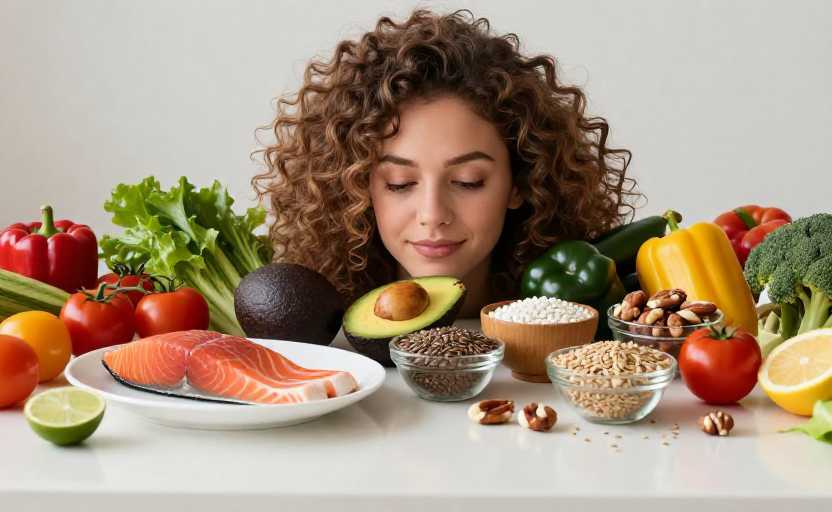
In fact, I have been subjected to various taboos during menstruation before. At that time, I believed that "during menstruation, you should not touch anything cold, eat spicy food, or even eat fruits when they are hot." As a result, everything I ate during those days tasted tasteless, and I felt very bad, and the pain became even worse. Later, after asking a nutritionist I knew well, I learned that the most important thing to pay attention to during menstruation is not to eat this or that, but to supplement more red meat and dark green vegetables containing iron. A balanced diet is better than anything else. If you are really not sure whether something can be eaten, just take a few bites and try it. If you feel no discomfort, continue eating. If you feel uncomfortable, stop eating. There is really no need to put so many shackles on yourself.
Oh, by the way, if you have severe dysmenorrhea or menstrual disorders, it’s best to follow your doctor’s advice and avoid following other people’s “menstrual diets.” After all, everyone’s physical condition is different.
Disclaimer:
1. This article is sourced from the Internet. All content represents the author's personal views only and does not reflect the stance of this website. The author shall be solely responsible for the content.
2. Part of the content on this website is compiled from the Internet. This website shall not be liable for any civil disputes, administrative penalties, or other losses arising from improper reprinting or citation.
3. If there is any infringing content or inappropriate material, please contact us to remove it immediately. Contact us at:
