
Diet taboos for bone hyperplasia
There are no foods that absolutely require fasting for bone hyperplasia. Currently, it is generally recommended in clinical and nutritional fields to limit the intake of highly purine, high oxalic acid, high-sugar and high-fat processed foods, excessive alcohol, and highly caffeinated drinks. However, the online saying that "fat foods cannot be eaten" is a controversial statement and does not need to be followed blindly.
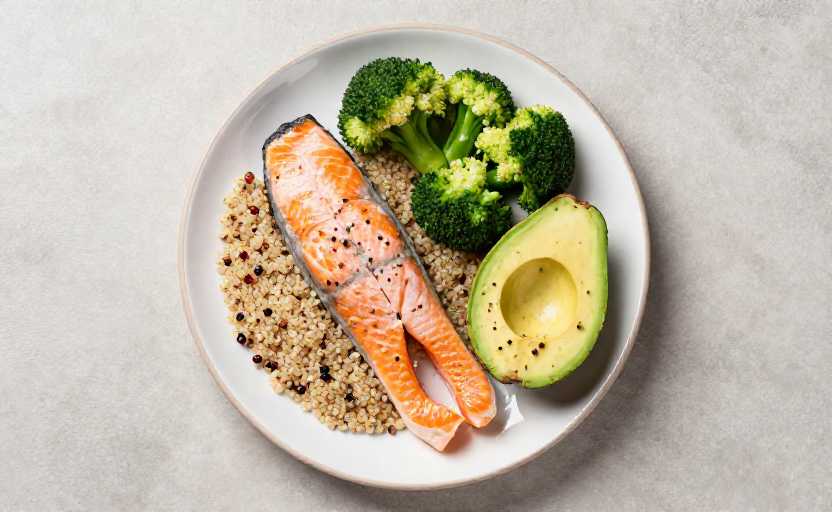
To be honest, I have been in the rehabilitation department for almost ten years, and I have seen too many patients who caused problems because of their taboos. Last month, a 62-year-old aunt came for a follow-up visit. The bone hyperplasia in her knees had been well controlled. However, she heard from neighbors in the community that seafood, beef, mutton, and soy products were all "hair-producing substances" that would aggravate bone spurs. She had not had any meat or fish for more than half a year, and she had plain porridge with vegetables every day. This time she came for a bone density test and her bone density dropped by 0.3. She was also accompanied by mild iron deficiency anemia, and she couldn't breathe even after climbing two floors. The term "hair" is actually a concept proposed by traditional Chinese medicine for ulcers and allergies. There is no corresponding definition in the modern Western medicine system. The current mainstream guidance is: as long as you do not experience joint redness, swelling or worsening pain after eating certain foods, you can eat normally. On the contrary, the high-quality protein in fish, shrimp, lean beef, and soy products can also help maintain the strength of the muscles around the joints and provide better support for the bones. If you really feel uncomfortable, stop eating. There is no need to cut it all.
Many people ask me whether soy products can be eaten? In fact, as long as you don’t have a serious problem of high uric acid, you can eat low-purine soy products such as tofu and soy milk without worry. Instead, you should pay attention to ultra-high purine foods such as animal offal, thick broth, and hot pot soup. The year before last, I met an uncle who had bone hyperplasia in his knees and had not had any pain for half a year. He cooked mutton with his friends for three consecutive days in winter and drank two large bowls of mutton soup. On the fourth day, he was in so much pain that he could not go downstairs. The uric acid test soared to 580 μmol/L, which directly caused inflammation in the joints. Of course, if you don’t have underlying diseases such as high uric acid or gout, it’s perfectly fine to eat hot-boiled meat and a bowl of soup occasionally, and you don’t have to treat them like a scourge.
Another point that is easily overlooked is high oxalate foods. There was a patient in his 30s who drank green juice with raw spinach and amaranth every day. He said it was to cleanse the intestines and reduce fat. Originally, the hyperplasia of the lumbar spine only caused occasional soreness. After drinking for half a month, the pain made him unable to straighten his waist. After a check up, not only was the oxalic acid metabolism abnormal, but there was also a small 3mm stone on his kidney. If you consume too much of these high-oxalate foods, they will combine with free calcium in the body to form calcium oxalate. On the one hand, it will affect the normal absorption of calcium. On the other hand, if it is deposited near the joints or kidneys, it will indeed aggravate the discomfort. But that doesn’t mean you can’t eat spinach. Blanching it in boiling water for 1 minute before eating can remove more than 70% of the oxalic acid. There is nothing wrong with eating it if you stir-fry it normally.
Don’t think that only middle-aged and elderly people are targeted by bone hyperplasia. I treated a 23-year-old girl in the past two years. She drank milk tea and fried chicken at her workstation every day. Her weight increased from 30 to 150 kilograms in half a year. Her waist hurt so much that she couldn’t straighten up. She already had mild lumbar bone hyperplasia after taking a X-ray. This is the most annoying thing about highly processed foods high in sugar and fat: the weight gain caused by the accumulation of excess calories will put the pressure on the knee joints up to 3-4 times the body weight, and the burden on the lumbar spine will also increase exponentially. Moreover, high sugar will aggravate the body's chronic inflammatory response. Even if the weight is normal, if you eat this kind of food for a long time, the frequency of joint soreness and pain will be much higher.
As for tobacco and alcohol, I don’t need to say more, right? Especially for high-alcohol liquor, I have seen several old men who drink two ounces every time all year round. Their bone hyperplasia is much more serious than that of their peers, and they are also accompanied by severe osteoporosis. If they fall carelessly, they will break bones. You don’t have to give up coffee completely. One or two cups of unsweetened American style every day is perfectly fine. If you drink four or five cups of strong latte a day, and deliberately don’t add milk, then the calcium loss rate will really be much faster than that of ordinary people.
When I usually give guidance to patients, I never make a "no-food list". After all, everyone's physique and underlying diseases are different. How can there be any standard that is universally applicable? You only need to remember three simple principles: no need to eat food if your joints don't feel uncomfortable after eating, don't overweight, and make sure you get enough calcium and protein every day, which is better than anything else. After all, bone hyperplasia is simply "small burrs" that grow on bones over time. It is a normal degenerative change and cannot be eliminated by diet alone. The core method that can really relieve discomfort is to avoid climbing high buildings, avoid standing and sitting for long periods of time, and do some strength training to stabilize the muscles around the joints.
Disclaimer:
1. This article is sourced from the Internet. All content represents the author's personal views only and does not reflect the stance of this website. The author shall be solely responsible for the content.
2. Part of the content on this website is compiled from the Internet. This website shall not be liable for any civil disputes, administrative penalties, or other losses arising from improper reprinting or citation.
3. If there is any infringing content or inappropriate material, please contact us to remove it immediately. Contact us at:
