
Fitness Guide for the Elderly
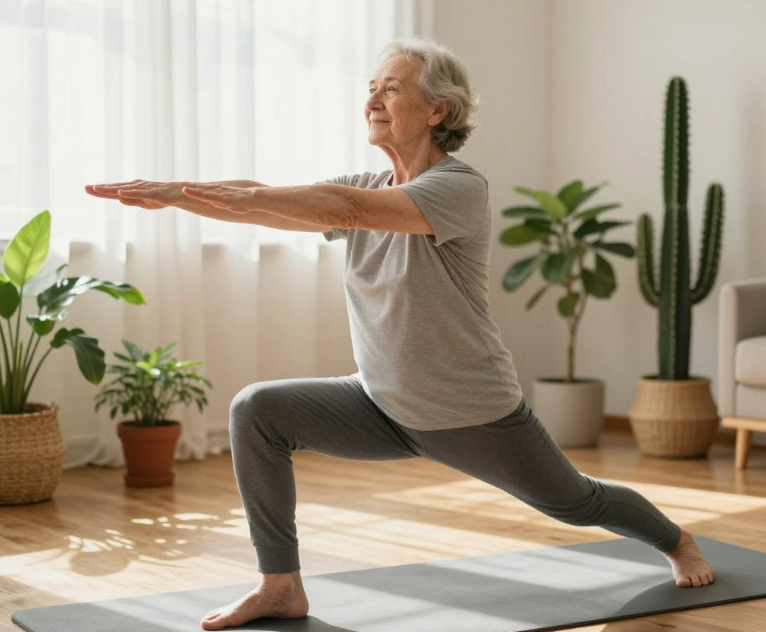
The core principle of fitness for the elderly has never been "practice more and with higher intensity", but prioritize safety and adaptability. Do a physical assessment first before choosing an exercise method. The goal is to maintain the ability to perform daily activities and reduce the risk of chronic diseases. Never compare exercise performance with young people or other peers.
I have been working at a community sports guidance center for almost three years, and I have seen too many examples of mistakes: Uncle Wang from the neighborhood next door usually has good blood pressure control. He heard from his old man that running a marathon can help him live longer, so he continued to practice for three months. Once during a morning run, he felt dizzy and fell down and was sent to the emergency room. Later, the doctor said that he already had carotid artery plaque, and long-term high-intensity exercise was completely a red line. There is also Aunt Zhang downstairs who used to dance fast-paced aerobics. After dancing for two weeks, her knees were so swollen that she couldn't wear thick pants. An MRI showed that the meniscus was aggravated. She used to have no problem going up and downstairs, but now she has to use crutches when traveling far away.
Many people have the impression that fitness for the elderly is either a casual walk, or that they have to seriously learn Tai Chi Ba Duan Jin to be counted. In fact, this is not the case. The ways to adapt to different physical conditions are very different. There are still different views in the industry: Traditional health schools believe that the elderly have weak Qi and blood. Gentle exercise with less tossing is the best, and you can't move without brute force. Modern sports medicine encourages the elderly to do resistance training appropriately to avoid losing muscle mass too quickly and causing disability. Both views are supported by clinical data. There is no absolute right or wrong. It all depends on the individual's physical condition.
Don’t rush to find sports. It’s important to know your own basics first. Pull out the physical examination report of the past six months to see if there are any signs of large fluctuations in blood pressure and blood sugar, carotid artery plaques, severe osteoporosis or joint degeneration. If you are unsure about the indicators, ask your attending doctor first to ask what exercises you should not do. It will be more effective than asking ten bloggers on the Internet. In addition to the cold report, my own feelings are more practical: If you can't catch your breath for a long time after climbing the third floor, don't ask yourself to walk 10,000 steps a day; if your arms feel sore even after carrying a five-pound dish, don't follow the trend of lifting dumbbells from the beginning.
If you don’t have any serious health problems and just want to move around a lot, then walking three to four thousand steps slowly every day, playing softball and table tennis with an old friend for half an hour, and doing slow-paced square dancing is totally enough. Don't think that these exercises are "too light and ineffective". If you can persist for more than three months, your cardiopulmonary function will be stable, you can eat well and sleep soundly, which is better than any high-intensity training.
The issue of "can the elderly practice strength training" was particularly controversial before. I met many elderly people who waved their hands when they heard the word "strength training" and said that they should not train their old bones. Some people said that I usually carry vegetables and take care of my grandchildren just to practice strength. This is both true and incorrect. It is true that muscles are used in daily housework and raising children, but if you practice twice, the results will be much faster: for example, sit on a stable hard chair, hold a mineral water bottle filled with water in your hand, slowly raise your arms and then lower them, do 12 to 15 in one group, and do two groups a day. After two months of practice, you will find that it is not difficult to carry ten kilograms of rice upstairs. But if you have severe osteoporosis, then don't lift heavy objects blindly. You must first ask a rehabilitation doctor to determine the intensity for you. Doing it on your own may cause accidents.
To be honest, I have seen too many people believe in folk remedies, such as "squatting hundreds of times a day to cure knees" and "walking backwards to cure lumbar protrusion". Last month, an aunt came to me and said that she had heard others say that walking backwards can cure lumbar disc herniation. She walked backwards in the community for half an hour every day, but ended up stepping on a pebble and breaking her fracture. She had to lie down for two months. It was really not worth it. If you have old problems such as lumbar protrusion or knee pain, go to the rehabilitation department of the hospital for an evaluation first. Don't blindly trust the "experience" of the old man. Everyone's condition is different, and what is suitable for him may not be suitable for you.
There are also those who post their steps to post on their social media. Many elderly people walk around the community for two hours in order to be ranked first. Their legs will be swollen when they wake up the next day. It is completely unnecessary. There is really no unified standard for the number of steps. If you walk 6,000 steps and feel comfortable the next day, then walk 6,000. If you walk 15,000 steps and you don’t feel sore or bloated, then walk 15,000. As long as you don’t feel tired or have joint pain the next day, it is more reliable than any number.
I have seen so many elderly people who insist on exercising. The ones who are in the best condition are never the ones who practice the hardest. They are the ones who can incorporate exercise into their daily life. Just like the 72-year-old Uncle Li downstairs, he walks around the community for 20 minutes every morning after dropping off his grandson, then does 10 arm strength presses at the community fitness equipment, stands for 10 minutes after lunch, and takes a walk with his wife around the river after dinner in the evening. He occasionally plays Tai Chi with his old friend on weekends. Now he can climb the fifth floor without gasping, his blood pressure and blood sugar are stable, and he rarely catches colds all year round.
In fact, there is no standard answer to fitness for the elderly. After all, everyone’s physical condition and living habits are different. The key is not to compete or compare. Being comfortable and persevering is better than anything else. If you are really not sure what to practice, go to the sports guidance center in the community or the rehabilitation department of the hospital and ask. It won’t take much time, but it’s better than practicing blindly and getting injured, right?
Disclaimer:
1. This article is sourced from the Internet. All content represents the author's personal views only and does not reflect the stance of this website. The author shall be solely responsible for the content.
2. Part of the content on this website is compiled from the Internet. This website shall not be liable for any civil disputes, administrative penalties, or other losses arising from improper reprinting or citation.
3. If there is any infringing content or inappropriate material, please contact us to remove it immediately. Contact us at: