
Analysis of the immunological mechanism of food allergy
The core immunological essence of food allergy is that the immune system misrecognizes originally harmless food antigens, triggering an imbalance in immune homeostasis centered on IgE-mediated type I hypersensitivity reactions and partially accompanied by non-IgE-mediated delayed immune responses. The entire process involves antigen presentation, immune cell activation, and release of effector mediators. Currently, the mechanisms of nearly 30% of special types of allergies have not yet been fully elucidated.
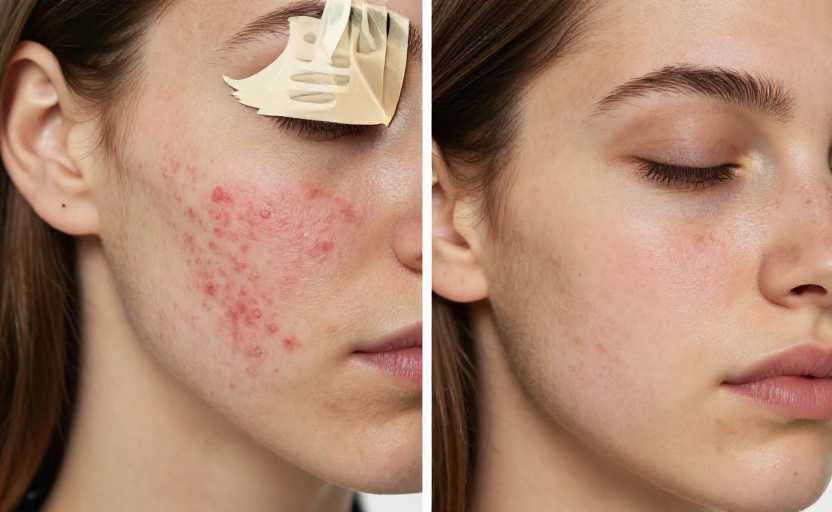
Last week, I met a 2-year-old child at the allergy clinic. His grandma fed him half a fresh lychee. Within five minutes, large red spots appeared around his mouth, and even his eyes were swollen to a slit. When he was sent to the emergency department, he was already wheezing. This is a typical IgE-mediated immediate food allergy. This process is quite easy to understand: when the child comes into contact with the lychee antigen for the first time, the child's immune system regards it as a dangerous molecule and secretes a bunch of specific IgE antibodies. These antibodies are like wanted posters, posted on the surface of mast cells and basophils, waiting to be encountered again the second time. When lychee antigen is detected, the antigen directly binds to IgE on the cell surface, which is like triggering the fuse of a bomb. The mast cells instantly degranulate and release inflammatory mediators such as histamine and leukotrienes, which can lead to vasodilation, skin edema, and airway spasm within a few minutes. This is the allergic reaction we see.
In the early years, the definition of food allergy in the industry was very strict, requiring evidence of elevated IgE. Now more and more clinicians tend to include non-IgE-mediated reactions, but this is still controversial. For example, the American Academy of Allergy, Asthma, and Immunology (AAAAI) clearly classified food protein-induced enteropathy and proctitis as food allergy in its 2022 guidelines. However, some immunologists still believe that this belongs to the category of food intolerance and is essentially different from the classic allergy mechanism. I myself have encountered several babies who drank ordinary formula milk. They started to have loose stools with blood after two or three days of feeding. The IgE tests were all negative. They just switched to deeply hydrolyzed milk. This kind of delayed allergic reaction is actually a type IV hypersensitivity reaction mediated by T cells. It has a slow onset and atypical symptoms. It was easily misdiagnosed as ordinary enteritis in the past.
Oh, by the way, there are even rarer cases. I met a young man in his 20s before. He usually ate noodles and steamed buns and was fine. However, every time he ate bread and went for a run, he would get hives. In severe cases, he would even faint. It took him a long time to check and find out that it was an allergy to wheat that was induced by exercise. To put it bluntly, exercise temporarily increases the permeability of the intestinal mucosa. Large gliadin molecules that normally cannot pass through the barrier slip directly into the bloodstream, triggering an immune response. This also shows that food allergies are never a problem caused by the immune system alone. The intestinal barrier and even what you do after eating will affect whether it occurs or not.
As for why more and more people have food allergies now, the industry has been arguing for almost two decades and there is no unified conclusion. Scholars who support the hygiene hypothesis believe that people’s lives are too clean now, and children are exposed to too few soils and microorganisms when they are young. When the immune system is developing, the balance of Th1 and Th2 is off, and it is easy to treat harmless foods as enemies. ; Those who support the leaky gut hypothesis believe that the fault lies with the modern food industry, which adds too many emulsifiers and preservatives, creating holes in the "protective wall" of the intestinal mucosa. More antigens can enter to stimulate the immune system, which increases the allergy rate. Both sides have a large number of cohort study data to support it, and I am afraid that the results will not be available in a short time.
The most common thing I am asked when I go to the clinic is whether food that is positive for dozens of IgG items should be avoided. In fact, this point is now very controversial. Many scholars believe that IgG is just a sign that the body has been in contact with these foods. Just like leaving a footprint when you go to a place, it does not mean that you are allergic to that place. Unless there is a clear correlation between discomfort after eating a certain food, blind taboos can easily lead to malnutrition, especially in growing children.
Nowadays, there are many studies on the treatment of oral immune tolerance, which is to slowly give the allergen in small doses, so that the immune system can slowly "cook" it, and know that this thing is not a bad guy. I have followed up with several children with peanut allergies before, and after a year of treatment, they can already eat less than half a peanut without having an attack. However, this method is not a panacea. Many people still experience rebound symptoms after doing it, and may even cause severe allergies. Currently, it is only recommended to do it in qualified medical institutions.
In fact, after so many years of research, we can only have a rough idea of the immune mechanism of food allergy. There are still many strange allergic cases that cannot be found with a reasonable explanation. After all, the immune system is a living and dynamically changing system, and it never follows a textbook. What you can do is to pay more attention to your body's reaction. If you really have a problem, go to a professional doctor and don't just make blind guesses and diet taboos.
Disclaimer:
1. This article is sourced from the Internet. All content represents the author's personal views only and does not reflect the stance of this website. The author shall be solely responsible for the content.
2. Part of the content on this website is compiled from the Internet. This website shall not be liable for any civil disputes, administrative penalties, or other losses arising from improper reprinting or citation.
3. If there is any infringing content or inappropriate material, please contact us to remove it immediately. Contact us at:
